The Prefabricated Portfolio: Assembling Scalable Yield in the Modular Era
For decades, the Southern California real estate market has been defined by a paradox: insatiable demand for housing met with an almost insurmountable barrier to supply. From the high-density coastal enclaves of Santa Monica to the sprawling developments of Riverside and San Bernardino, the traditional hurdles of stick-built construction—high labor costs, unpredictable weather delays (rare as they may be), and complex local permitting—have often sidelined ambitious investors. However, as of March 2026, a structural shift is occurring. We are entering the era of the 'Prefabricated Portfolio.'
As a leading property management company, McIntire Kingstone has observed a significant pivot in how successful investors are scaling their holdings. With homeowners staying in their residences for record durations—up to 20 years in the Los Angeles and Orange County metros—the inventory of existing homes for sale has effectively frozen. To grow, savvy investors are no longer waiting for listings; they are building their own yield through modular and factory-built solutions.
Analyzing the 2026 Shift: New Rules for Factory-Built Housing
The landscape of California real estate was forever altered by recent legislative efforts aimed at streamlining factory-built housing. In early 2026, California began implementing new rules designed specifically to ease the construction cost burden. These regulations are slashing the traditional overhead that has historically plagued Southern California development.
Statewide Pre-Approval and Streamlined Inspection
One of the most significant shifts involves the Department of Housing and Community Development (HCD) centralizing the approval process for factory-built designs. Previously, a modular unit might be approved at the state level but still face redundant, granular inspections from local municipalities in places like San Diego or Riverside. Under the new 2026 framework, factory-built units that meet state-certified standards benefit from a "fast-track" permit process at the local level. This prevents local building departments from imposing arbitrary design changes that could invalidate the factory’s efficiency.
Cost Mitigation in a High-Inflation Environment
Construction inflation has been a primary deterrent for developers. By shifting the bulk of the building process into a controlled factory environment, investors can lock in material costs at the start of the project. In regions like the Inland Empire, where land is available but skilled labor is increasingly expensive, prefab construction provides a predictable cost model that traditional general contracting simply cannot match in the current economy.
The Speed-to-Lease Advantage: Protecting Your IRR
In real estate investment, time is the ultimate erosion factor for Internal Rate of Return (IRR). Every month a property sits under construction is a month of carrying costs—taxes, interest, and insurance—without offsetting rental income. Modular construction is revolutionizing the "Speed-to-Lease" metric in Southern California.
Months, Not Years
Traditional multi-family or even Accessory Dwelling Unit (ADU) construction in Los Angeles can easily take 12 to 18 months from groundbreaking to occupancy. Modular projects are regularly hitting the market in a fraction of that time. Because site preparation (grading, foundation, utility trenching) can occur simultaneously with the building's fabrication in the factory, the total project timeline can be reduced by 50% or more.
Real-World Example: Santa Monica and San Diego
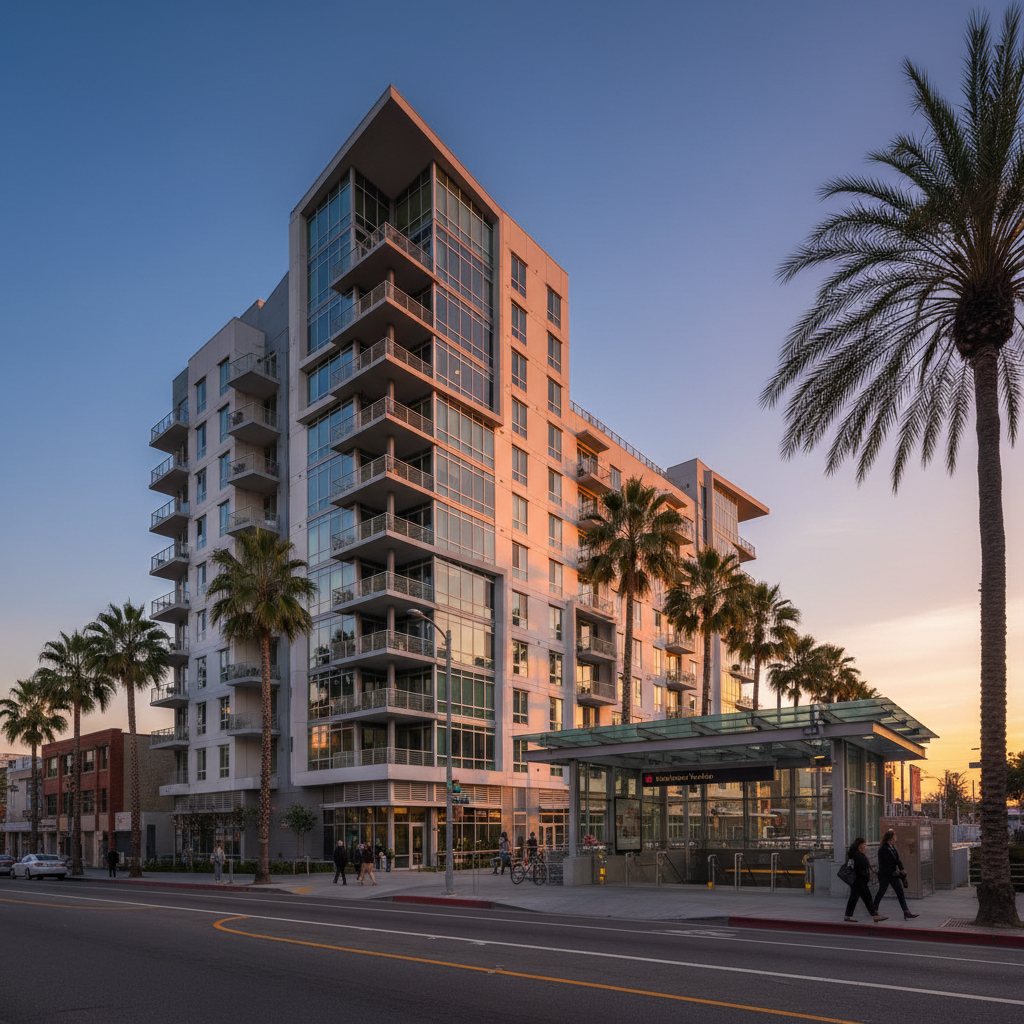
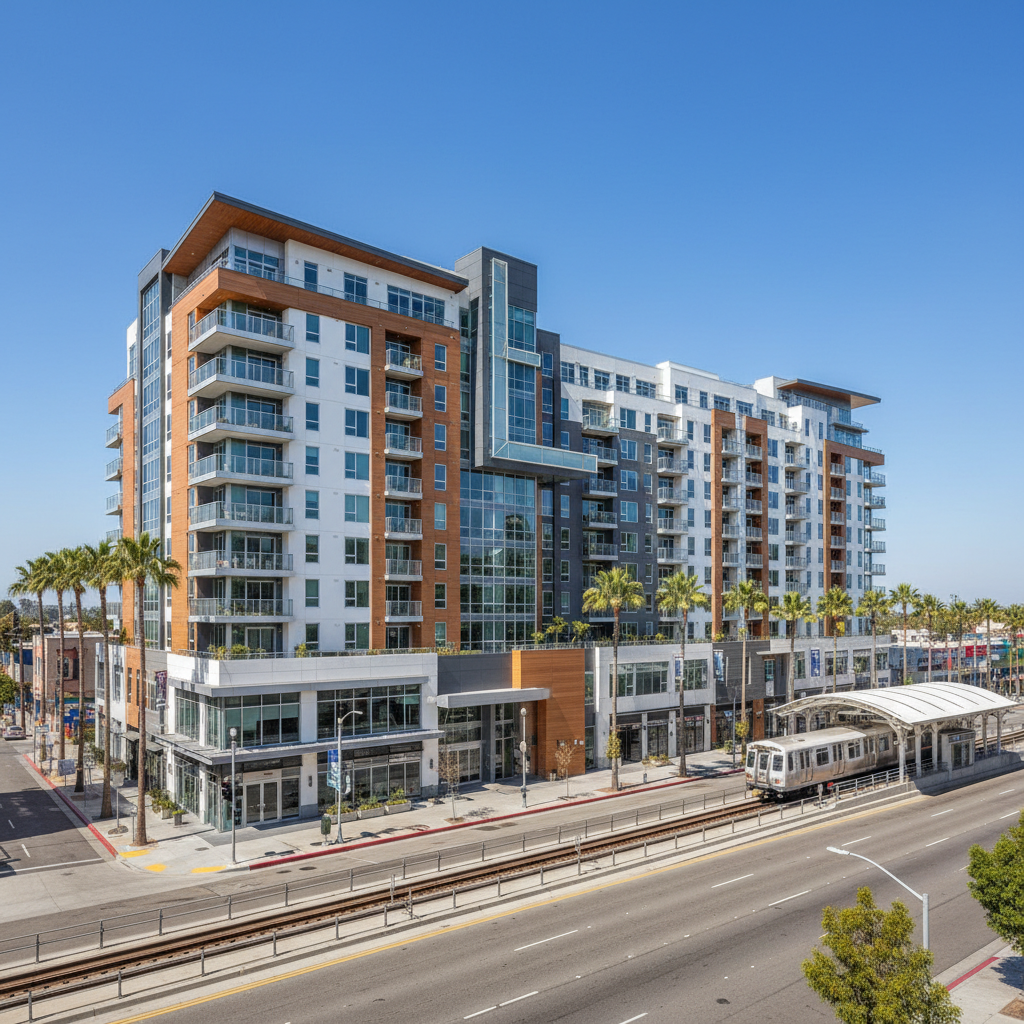
Recent projects in Santa Monica, such as the Berkeley Station modular affordable housing development, have demonstrated that crane-installing units can happen in as little as three days. For a private investor building a small multi-family infill or a cluster of bungalows in San Diego, this means tenants can be moved in—and rent checks can start clearing—four to six months after the initial deposit is placed with the manufacturer. This speed effectively de-risks the project against shifting market interest rates during the construction phase.
Modular vs. Traditional: Comparing ROI in SoCal Markets
When evaluating whether to go modular or stick-built, investors must look at the cost-per-square-foot ROI, especially in high-density areas. The trade-offs are no longer just about the "sticker price" of the building, but the comprehensive lifecycle of the investment.
- Santa Monica / Coastal Markets: In high-rent districts, the priority is density and speed. Modular construction allows for precision-engineered units that maximize small, expensive lots. While the cost-per-square-foot for high-end prefab may be comparable to luxury stick-built, the reduction in specialized labor on-site (which is at a premium in West LA) results in a 15-20% overall project saving.
- Riverside / Inland Empire: Here, the modular advantage is scalability. Developing a portfolio of 10–20 units across multiple vacant lots is significantly more manageable when using a repeatable factory model. Investors in the Inland Empire are seeing a higher ROI because they can deploy capital faster and across more units than a traditional developer who is struggling to find reliable local framing crews.
The Precision Factor
Beyond the initial build, factory-controlled environments produce units with tighter envelopes and better energy efficiency. For properties where the owner pays utilities—or for attracting high-quality tenants who value lower electricity bills in the sweltering Riverside summers—this precision translates to lower operating expenses (OpEx) and higher net operating income (NOI).
Overcoming the 'Cookie-Cutter' Stigma: Premium Rents
A common misconception among older-generation landlords is that prefabricated housing looks like "trailers" or lacks the aesthetic appeal to fetch premium rents. In 2026, this couldn't be further from the truth. Companies like Plant Prefab and other California-based manufacturers are collaborating with world-class architects to create stunning, modern dwellings.
Modernist Appeal in LA and Orange County
Prefabricated homes and multi-family units now often feature floor-to-ceiling glass, sustainable cedar siding, and high-end interior finishes that rival custom builds in Newport Beach or Silver Lake. In fact, many tenants in the luxury rental market prefer the clean, minimalist lines often found in modular architecture over the dated "McMansion" style of the early 2000s.
Professional Property Management Perspective
As property managers, McIntire Kingstone has seen modular units in San Diego command rents at the very top of their submarkets. When a unit is designed with modern lifestyles in mind—including smart home integration and optimized floor plans—tenants are willing to pay a premium. The "factory-built" label is no longer a deterrent; it is often a badge of sustainability and modern engineering that appeals to Gen Z and Millennial renters.
Strategic Expansion: Bypassing the 'Homeowner-Lock'
Perhaps the most compelling reason to adopt a prefabricated strategy is the current state of Southern California's housing inventory. As noted in recent reports, homeowners in the Los Angeles metro area are staying in their homes for an average of 20 years—the longest span in the nation. This "lock-in" effect, driven by low property tax bases and high relocation costs, means that traditional "fix-and-flip" or "buy-and-hold" opportunities for existing homes are at an all-time low.
Infill Projects: The Solution to Stagnant Lots
Investors can no longer rely on the MLS to find deals. Instead, the smart money is moving toward infill development on stagnant, underutilized lots. This includes:
- ADU Aggregation: Adding modular ADUs to existing rental properties in San Bernardino or Orange County. New state laws make it easier than ever to add a second or even third unit to a single-family lot.
- Splitting Lots (SB 9): Utilizing Senate Bill 9 to split a lot and quickly drop a prefabricated home on the newly created parcel.
- Converting Commercial to Residential: Using modular units to repurpose small commercial lots in urban Los Angeles that are no longer viable for retail.
By using modular units for these infill projects, investors bypass the inventory shortage entirely. You aren't competing with 20 other buyers for a 1950s bungalow; you are creating new, high-yield inventory in a market that is starved for it.
Actionable Advice for SoCal Investors
If you are looking to scale your portfolio using modular construction in 2026, here are the steps we recommend:
- Audit Your Existing Portfolio: Look for properties in your current Southern California holdings with excess land. Could you add a modular ADU in San Diego or Riverside? The ROI on an ADU—where the land cost is effectively zero—is often the highest in the residential sector.
- Select a California-Certified Manufacturer: Ensure your builder is fully compliant with the latest HCD factory-built housing standards to take advantage of the state-level permit streamlining.
- Verify Local Impact Fees: While the 2026 rules ease the process, local impact fees (school fees, utility connection fees) still vary by city. Work with a property management team that understands the local landscape in regions like the Inland Empire versus coastal Los Angeles.
- Focus on Design: Don't settle for basic designs. To reach the highest rent tiers, select modular models that emphasize natural light and indoor-outdoor living—elements that are essential to the California lifestyle.
Partnering for Success with McIntire Kingstone
Scaling a prefabricated portfolio requires more than just a builder; it requires a strategic partner who understands how to manage these modern assets. From initial site feasibility to long-term tenant placement and maintenance, McIntire Kingstone provides the local expertise needed to navigate the Southern California market.
Whether you are building a 10-unit modular complex in Riverside or adding ADUs to your San Bernardino rentals, our team is equipped to handle the unique requirements of modern, factory-built housing. We understand the technical nuances of these properties and how to market them to a sophisticated tenant base that values innovation and sustainability.
The Southern California real estate market is evolving. The inventory shortage isn't going away, but the tools to overcome it have arrived. By embracing the prefabricated portfolio, you can build a scalable, high-yield investment strategy that thrives in the modular era.
 .5B Bets on the SoCal Rent Silence" class="w-full h-40 object-cover transition-transform duration-300 group-hover:scale-105" loading="lazy"/>