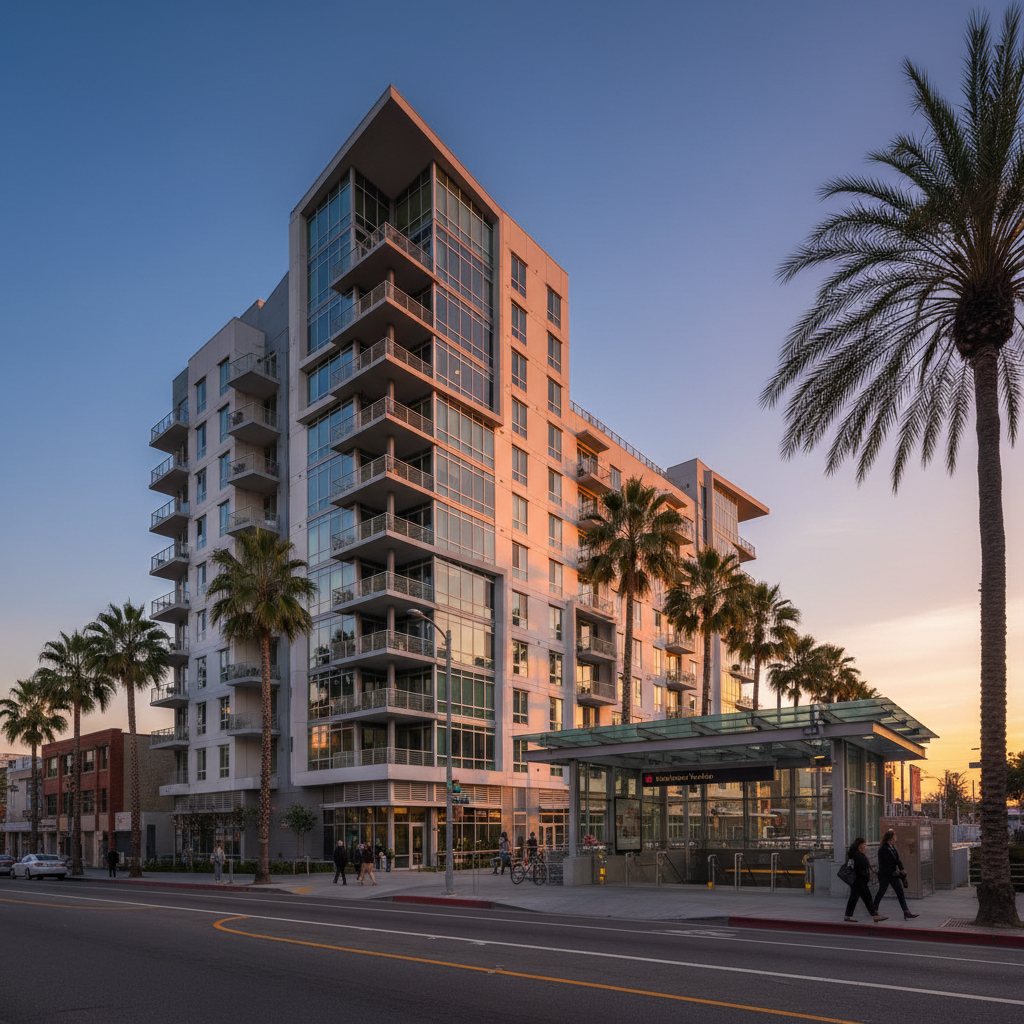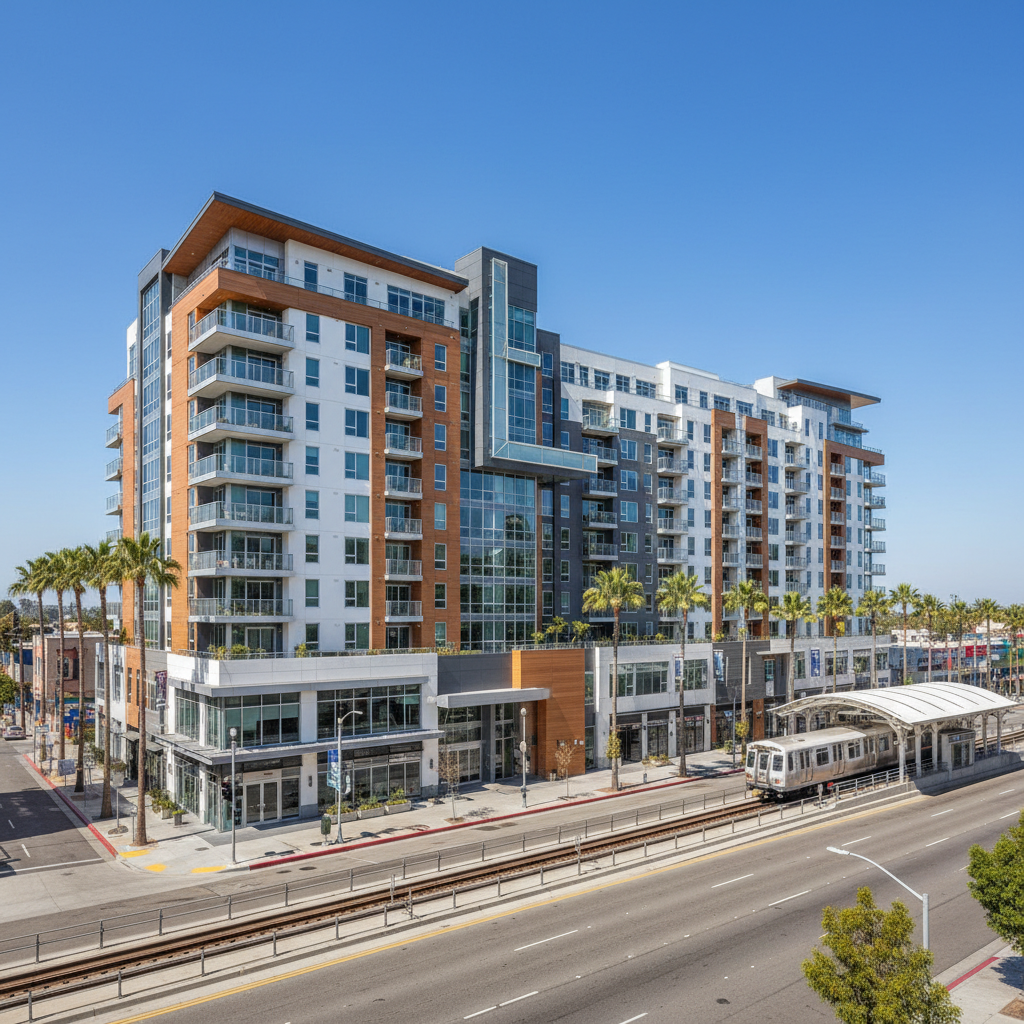
The 20-Year Horizon: Understanding the New Era of Southern California Tenancy
For decades, the property management industry in Southern California was built on the assumption of churn. Owners in Los Angeles, Orange County, and San Diego typically anticipated a two-to-three-year turnover cycle. However, recent data from Redfin and market reports from early 2026 indicate a seismic shift in resident behavior. In the Los Angeles metro area, which encompasses much of the Southland and Orange County, the typical tenure has stretched to a staggering 20 years. This is the longest span in the nation, nearly doubling the national average.
Several factors contribute to this 'stay-put' phenomenon. California’s unique regulatory environment, including state-level rent stabilization (AB 1482) and local ordinances in cities like Santa Monica, West Hollywood, and Los Angeles, creates a financial incentive for residents to remain in place. When you combine these legislative protections with the skyrocketing cost of homeownership and the high expenses associated with moving, many residents no longer view their apartments as temporary stops. Instead, they view them as forever homes.
At McIntire Kingstone, we recognize that managing a twenty-year resident requires a completely different playbook than managing a transient one. The 'Decadelong Guest' isn't just a tenant; they are a stakeholder in your building’s ecosystem. To thrive in this environment, Southern California property owners must modernize their approach to hospitality, shifting from simple maintenance to long-term asset preservation and community curation.
Analyzing the Tenure Trend: Why Renters Are Staying Put in LA and OC
The Redfin data highlighting a 20-year tenure in the Los Angeles and Orange County regions is more than just a statistic; it is a roadmap for future investment strategy. Understanding why this is happening is the first step in adapting your management style.
The Property Tax and Lock-In Effect
While the Redfin report primarily discusses homeowners staying put due to favorable property tax treatments under California law, the ripple effect on the rental market is profound. As homeowners stay in their properties longer, the supply of available homes for sale dwindles. This inventory crunch keeps middle-income earners in the rental pool far longer than previous generations. In regions like the Inland Empire and Riverside, where tenure is also rising (averaging 12.4 years), the dream of homeownership is being deferred, making the quality of long-term rental life more critical than ever.
The Regulatory Safety Net
California’s Tenant Protection Act (AB 1482) provides a sense of security for long-term residents. With annual rent increases capped and 'just cause' eviction protections in place, California renters have a level of stability comparable to some European markets. For many residents in high-demand areas like Long Beach or the San Gabriel Valley, the financial math of staying in a rent-stabilized or protected unit far outweighs the benefits of moving to a newer, more expensive development.
The 'Legacy Upgrade' Program: Phased Refreshments Without Displacement
One of the biggest challenges of the 20-year resident is 'unit stagnation.' When a tenant occupies a space for two decades, the property can fall behind modern aesthetic and functional standards. Many owners wait for a vacancy to perform renovations, but with 20-year tenures, that vacancy may not come for a generation. The solution is the Legacy Upgrade Program.
This program involves offering phased, non-invasive refreshments to loyal tenants. It preserves the asset value while increasing tenant satisfaction and justifying allowable rent increases. Here is how to structure it:
- Year 5 – The Cosmetic Refresh: Offer a complimentary professional paint job (allowing the tenant to choose from a pre-approved designer palette) and the installation of modern LED lighting fixtures.
- Year 10 – The Hardware & Tech Sweep: Replace dated cabinet pulls, faucets, and showerheads with water-efficient, modern finishes. This is also an ideal time to install smart thermostats or keyless entry systems.
- Year 15 – The Appliance & Flooring Tier: Evaluate major appliances. Replacing an old refrigerator or dishwasher not only delights the tenant but also reduces the risk of water damage or electrical issues associated with aging equipment. Consider high-quality LVP (Luxury Vinyl Plank) flooring updates in high-traffic areas.
Navigating the Legalities of In-Place Renovations
In California, performing work while a tenant is in possession requires careful adherence to 'Notice of Entry' laws. Under Civil Code Section 1954, owners must provide at least 24 hours' notice. However, for Legacy Upgrades, we recommend a collaborative approach. Work with the tenant to schedule these improvements during their vacations or work hours. Providing a gift card for a local dinner or a one-day co-working space pass during the dustiest parts of a renovation goes a long way in maintaining goodwill.
Psychology of the Permanent Renter: From Customer Service to Community Curation
When a tenant knows they will be in your building for the next two decades, their psychological relationship with the property changes. They are no longer 'customers' purchasing a temporary service; they are residents investing their lives into a space. As a property owner or manager, your role must shift toward Community Curation.
Building a 'Sense of Place'
In Southern California, where urban sprawl can often feel isolating, creating a sense of belonging is a powerful retention tool. This is particularly effective in multi-family units in neighborhoods like Silver Lake, North Park (San Diego), or Downtown Santa Ana. Community curation involves:
- Hyper-Local Partnerships: Partnering with local businesses (coffee shops, dry cleaners, or gyms) to provide residents with 'neighborhood perks.'
- Thoughtful Common Areas: Enhancing shared spaces with high-quality landscaping, community gardens, or comfortable outdoor seating that encourages neighborly interaction.
- Transparent Communication: Moving away from robotic, automated emails and toward personalized, human-centric communication.
The 'Forever Home' Mindset
Acknowledge milestones. Sending a handwritten note or a small gift on a resident's 10th or 15th move-in anniversary reinforces that they are valued members of the community. This small gesture can mitigate 'renter fatigue'—the feeling that they are simply paying off someone else's mortgage—and instead makes them feel like a respected part of the building's history.
Preventing 'Stagnation Friction': Proactive Strategies for Structural Wear
The greatest risk of a 20-year continuous occupancy is the hidden deterioration of the unit. Unlike a unit that turns over every two years, where you can inspect subfloors, plumbing seals, and electrical outlets regularly, a long-term occupied unit can hide 'stagnation friction.'
The Annual 'Wellness Check'
Rather than a 'maintenance inspection' (which can feel accusatory), frame it as a 'Building Wellness Check.' This is a proactive, scheduled annual walkthrough to ensure everything is functioning correctly. Specifically, focus on:
- Water Intrusion: Inspecting under-sink plumbing, water heater closets, and window seals. In Southern California's climate, unnoticed slow leaks can lead to significant mold issues, which carry heavy legal liabilities under CA Health and Safety Code § 17920.3.
- Safety Equipment: Testing smoke detectors and carbon monoxide alarms (required by CA law) and checking fire extinguisher expiration dates.
- HVAC Performance: With Southern California summers becoming more intense, ensuring the efficiency of AC units in the Inland Empire or San Fernando Valley is essential for tenant health and building safety.
Proactive Communication
Don't wait for the tenant to report a problem. Long-term tenants often become 'acclimatized' to issues—they might ignore a jiggling handle or a slow drain because they've lived with it for five years. Proactively asking, "What is one thing in your apartment that has been bothering you?" can identify small repairs before they become
Leveraging Longevity: Turning Residents into Community Ambassadors
Your 10+ year residents are your property’s greatest institutional memory. They know the neighborhood quirks, the best local delivery spots, and the 'rules of the road' for the building. Instead of viewing their tenure as a liability (due to lower rent levels in stabilized units), view them as an asset for building stability.
The Ambassador Program
Consider formalizing a role for your legacy tenants. When a new resident moves into a complex in Riverside or Orange County, having a 'Community Ambassador' (a long-term resident) reach out to welcome them can significantly improve the onboarding experience. This helps integrate shorter-term arrivals faster and reduces friction between 'the old guard' and 'the new arrivals.'
Stabilizing the Ecosystem
Long-term residents provide a sense of security and continuity. They are the 'eyes and ears' of the property, often the first to notice if a gate is malfunctioning or if an unauthorized person is on the premises. By treating them with the respect that a 20-year partnership deserves, you ensure that they remain vigilant and protective of their home—and by extension, your investment.
Conclusion: The Future of California Property Management
The 20-year resident is the new reality of the Southern California real estate market. The owners who will see the highest long-term returns are those who embrace this shift rather than fight it. By implementing 'Legacy Upgrade' programs, shifting to a mindset of community curation, and maintaining proactive structural oversight, you can transform a long-term occupancy from a management challenge into a cornerstone of a stable, profitable portfolio.
At McIntire Kingstone, we specialize in navigating these complex resident relationships across Los Angeles, Orange County, and the Inland Empire. Whether you are dealing with a decades-long tenancy or looking to stabilize a new acquisition, our expert team is here to help you modernize your hospitality approach for the residents of 2026 and beyond.
MK Property Management
The McIntire Kingstone team brings decades of combined experience in property management, real estate investment, and tenant relations.
 .5B Bets on the SoCal Rent Silence" class="w-full h-40 object-cover transition-transform duration-300 group-hover:scale-105" loading="lazy"/>