The 'New York State of Mind' and the Southern California Reality
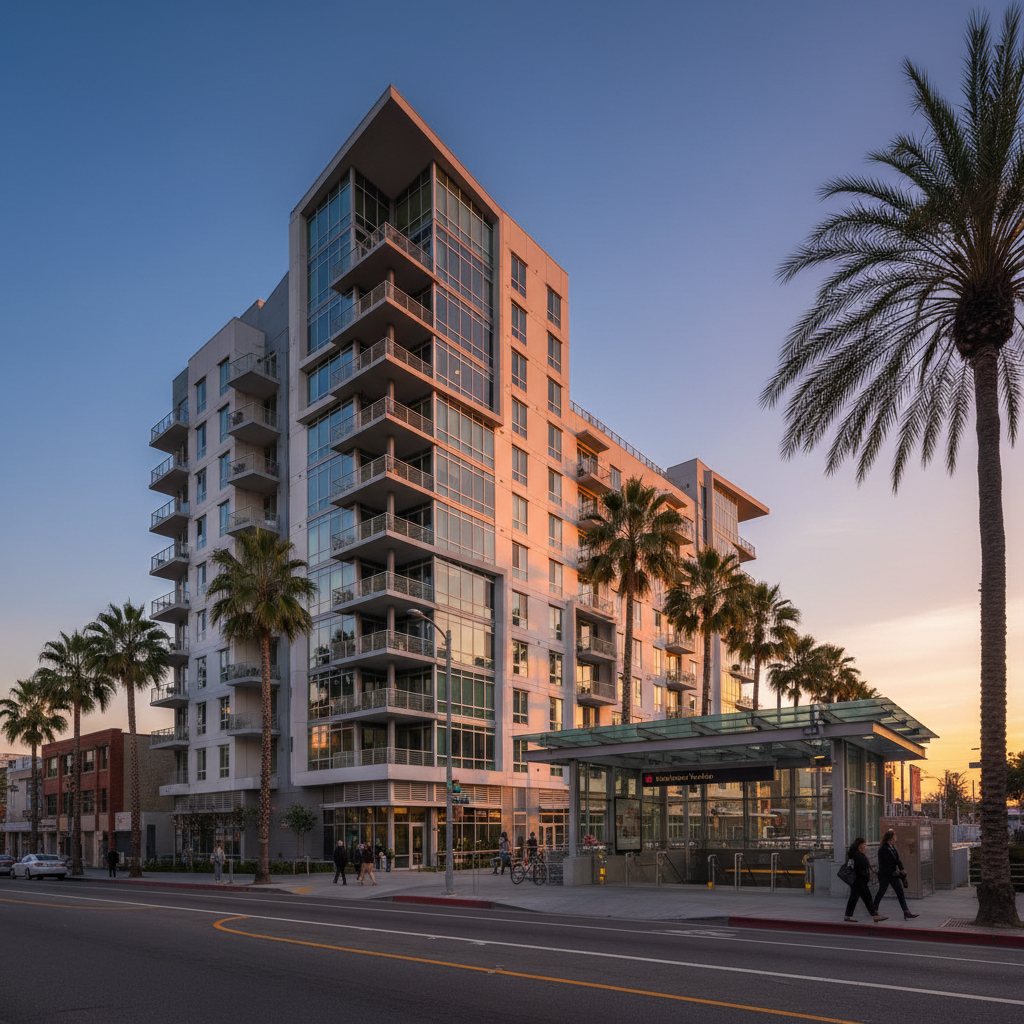
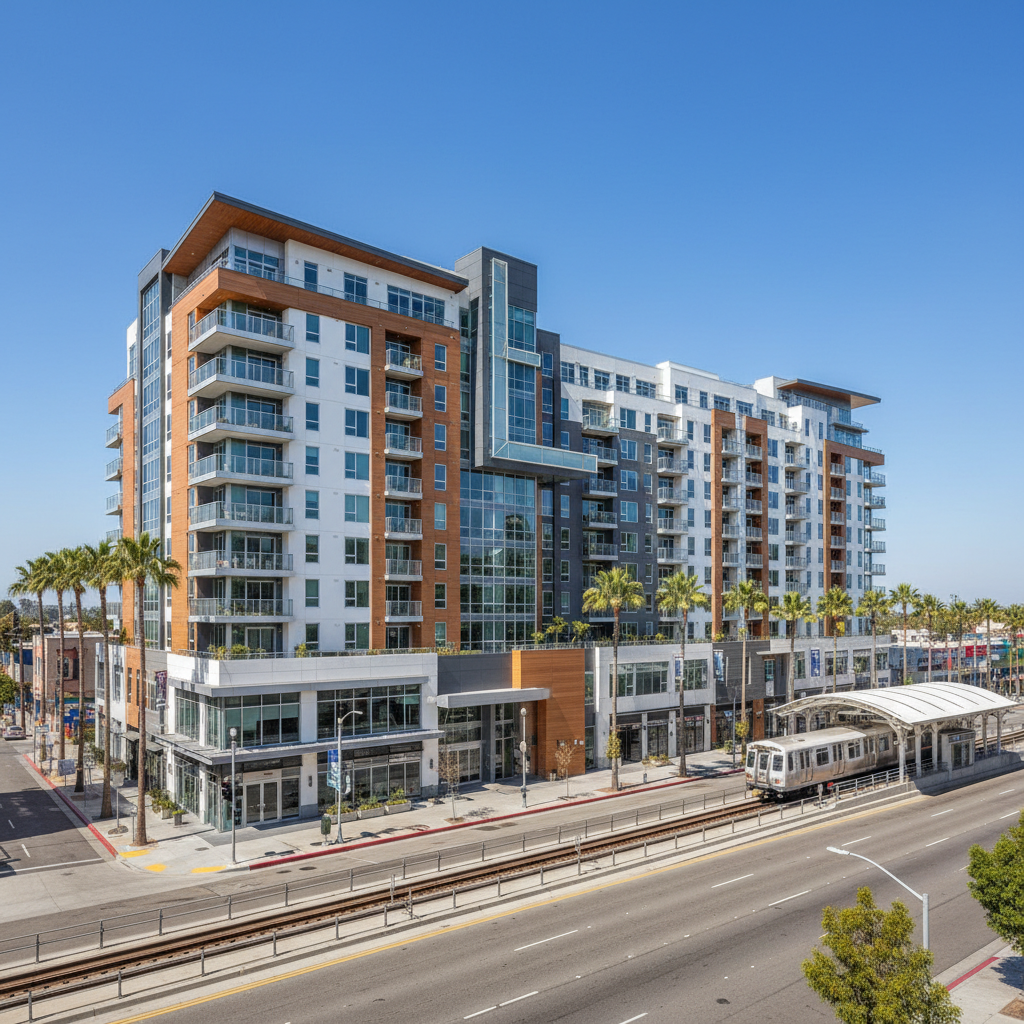
As we navigate the housing landscape of March 2026, a peculiar ideological shift has taken hold in Sacramento. Lawmakers are increasingly operating under what experts call a "New York State of Mind"—a regulatory philosophy that assumes the density-heavy, transit-oriented model of Manhattan can be seamlessly superimposed onto the sprawling, sun-drenched suburbs of Southern California. From the Inland Empire to coastal Orange County, property owners are feeling the friction of this urbanist momentum.
At the heart of this shift is the aggressive enforcement of Vehicle Miles Traveled (VMT) regulations. Unlike older environmental metrics that focused solely on tailpipe emissions, VMT measures the total distance vehicles travel associated with a specific property. By imposing steep fees on developments and renovations outside of dense urban cores, the state aims to discourage "sprawl" and compel the construction of compact, high-density housing. However, for a stakeholder in Riverside or San Bernardino, this logic ignores a fundamental reality: Southern California was built for the car, and our infrastructure reflects that legacy.
This "Manhattan Mirage" creates a significant disconnect. While Sacramento mandates density to reduce driving, the local infrastructure lacks the subway systems and integrated rail networks that make New York-style density functional. For property managers and owners, this results in an operational paradox: we are being forced to manage properties designed for an urban future that the local transit authority hasn't yet delivered.
The Operational Strain of 'Forced Density' in Suburbia
Managing high-density properties in traditionally low-density areas like the Inland Empire or suburban San Diego County introduces unique operational challenges. When the state mandates higher unit counts on smaller footprints without corresponding improvements in public transit, the burden of managing the resulting congestion falls squarely on the property manager.
The Parking Crisis Proliferation
One of the most immediate strains of forced density is parking management. Sacramento has moved to limit minimum parking requirements for new developments near transit hubs, yet in regions like the Santa Clarita Valley or East County San Diego, tenants still own cars because their workplaces are not accessible by rail. As a property owner, you are caught in the middle. If you follow state-incentivized density and reduce parking, you face constant tenant disputes and lower retention. If you maintain ample parking, you face higher development fees and potential VMT penalties.
Infrastructure Lag and Resource Management
Urban density logic assumes that utilities and local services are ready for a sudden influx of residents. However, many suburban SoCal local governments are struggling to keep up. Managing a 50-unit complex in an area originally plumbed for single-family homes requires a more proactive approach to maintenance. Property managers must now account for increased wear and tear on shared plumbing, higher localized trash collection needs, and the strain on local power grids—all while navigating the high-cost environment of 2026 California.
Bridging the Disconnect: Managing Tenant Expectations
The gap between what the state wants (car-free living) and what the tenant needs (a place to park their commuter vehicle) is the frontline of modern property management. To remain competitive in the Southern California market, owners must learn to bridge this disconnect through creative amenity management and transparent communication.
Modernizing the Car-Centric Amenity
Since the market still favors car ownership despite regulatory pressure, property managers should lean into smart car amenities rather than just traditional stalls. This includes:
- EV Infrastructure: With California's push toward electric vehicles, installing high-speed charging stations can mitigate some of the environmental pushback while providing a high-demand service to tenants.
- Designated Ride-Share Zones: If parking is limited due to density mandates, creating a secure, well-lit area for Uber or Lyft pickups can appeal to the "urban-lite" lifestyle many younger SoCal tenants are adopting.
- Secure Micro-Mobility Storage: Providing managed bike lockers and E-scooter charging rooms helps satisfy VMT-related reduction targets while offering genuine value to residents.
Transparent Communication Strategies
Managing expectations starts with the lease. It is crucial to be upfront about parking limitations and the reality of local transit. Providing new tenants with a "Local Transit Guide"—even if that guide shows that a car is still necessary for most trips—establishes a professional standard of honesty that builds trust. In the Inland Empire and Orange County, where the "commuter culture" remains dominant, being the manager who solves the logistics of density rather than ignoring them will lead to higher occupancy rates.
Cost-Shifting Strategies: Navigating VMT Fees and Property Taxes
The financial landscape for Southern California property owners is increasingly complex. With VMT regulations essentially functioning as a "tax" on peripheral properties, owners must look for ways to offset these hidden costs without pricing themselves out of the market. This becomes even more critical as debates over Proposition 13 and property tax reform continue to sizzle in 2026.
Capitalizing on VMT Mitigation Credits
Many jurisdictions now allow property owners to offset VMT impact fees by implementing specific commuter reduction programs. This could include subsidies for transit passes, organizing carpool programs for the building, or installing on-site amenities that reduce the need for residents to drive (such as co-working spaces or small-scale retail). At McIntire Kingstone, we advocate for a proactive audit of these credits to ensure our clients aren't paying more into the state's "urbanist vision" than they absolutely have to.
The Prop 13 Defense and Tax Planning
While some voices in 2026 call for the abolition of property taxes to create a more equitable market for new buyers, the reality remains that Proposition 13 is the bedrock of financial stability for many long-term Southern California investors. For those purchasing new high-density assets, the tax base is significantly higher. Effective property management in this era requires a dual focus: optimizing 1031 exchanges to keep tax bases manageable and utilizing municipal bonds or Mello-Roos districts more tactically to fund the infrastructure improvements required by forced density.
Future-Proofing: Adapting to the Urbanist Regulatory Momentum
The momentum coming out of Sacramento isn't slowing down. By 2026, the legislative focus has shifted from merely "allowing" density to "mandating" it. Property owners who fail to adapt their management style will find themselves holding obsolete assets. Future-proofing requires a shift in how we view the suburban property.
Embracing Multi-Generational and ADU Potential
One way to satisfy density requirements while maintaining the suburban appeal of areas like Riverside and San Bernardino is through Accessory Dwelling Units (ADUs). The state’s liberalization of ADU laws allows owners of single-family rentals to increase density organically. Managing these "mini-complexes" requires a different touch—balancing the privacy of the primary tenant with the needs of the ADU occupant. This is where professional property management becomes indispensable, ensuring that increased density doesn't lead to increased liability.
Investing in Management Technology
As density increases, manual management becomes impossible. Scalable property management in the modern SoCal environment relies on integrated software that can handle everything from digital parking permits to real-time utility monitoring. As density puts a strain on resources, the ability to detect a leak or a power surge instantly can save thousands in emergency repairs—costs that are much harder to absorb in a high-density, low-margin environment.
Advocacy and Local Involvement
Finally, property owners must be active in local planning commissions. The "Manhattan Mirage" is often pushed by planners who do not understand the micro-markets of Long Beach or the Coachella Valley. By participating in the public process, stakeholders can push for "Common Sense Density"—density that is paired with necessary infrastructure improvements, ensuring that our suburbs remain livable even as they grow more compact.
Conclusion: Navigating the New Southern California Landscape
The road ahead for Southern California property owners is paved with both challenge and opportunity. While the state's "New York State of Mind" presents a significant mismatch with our local geography, those who understand the nuances of VMT regulations, infrastructure strain, and evolving tenant demands will thrive. Success in this environment isn't about fighting the trend toward density; it's about managing that density with a uniquely Southern California perspective.
At McIntire Kingstone, we specialize in bridging the gap between state-level mandates and local-market realities. Whether you are managing a portfolio in Los Angeles or a single-family home in the Inland Empire, our approach is designed to protect your investment from the friction of the Manhattan Mirage. By focusing on operational efficiency, smart amenity integration, and proactive cost management, we ensure that your property remains a premier destination for tenants—regardless of how far the nearest subway station might be.
 .5B Bets on the SoCal Rent Silence" class="w-full h-40 object-cover transition-transform duration-300 group-hover:scale-105" loading="lazy"/>