The 2026 Paradox: High Inventory and the Class B Challenge
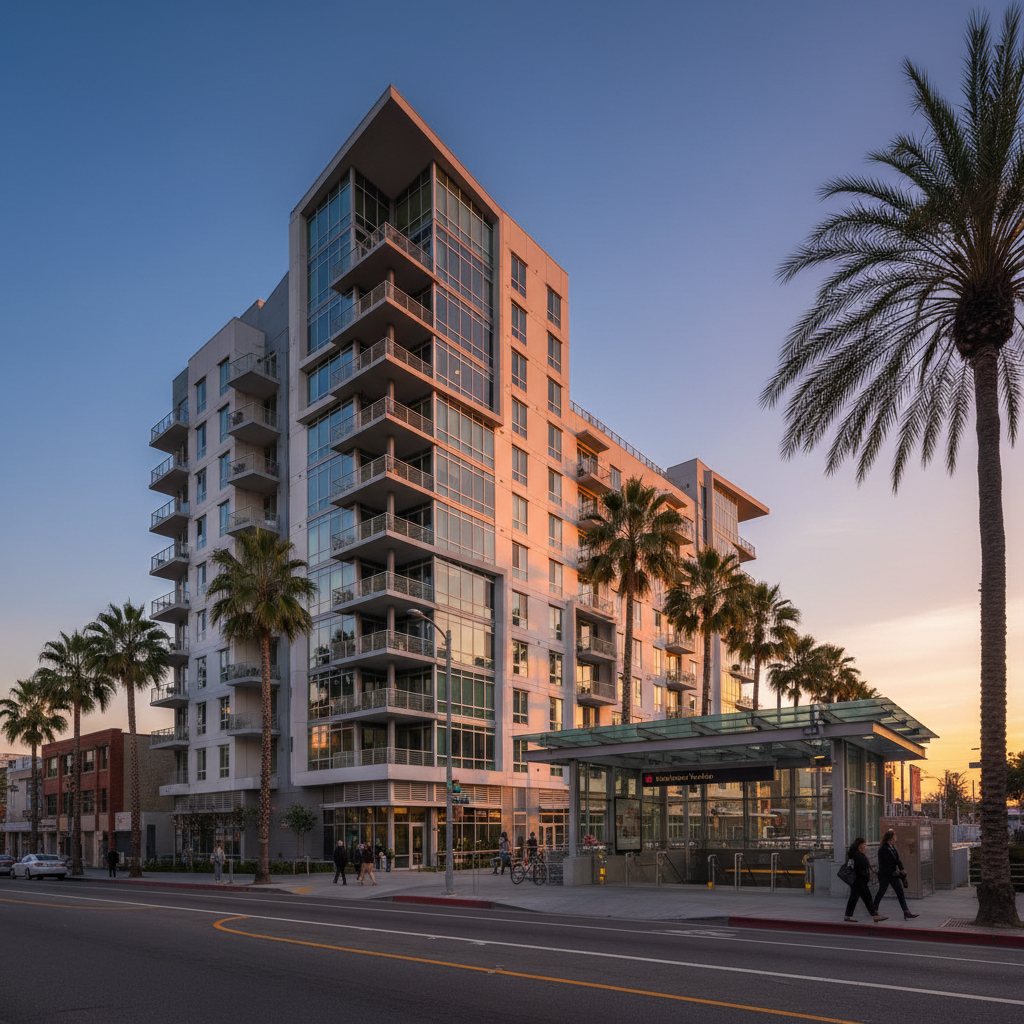
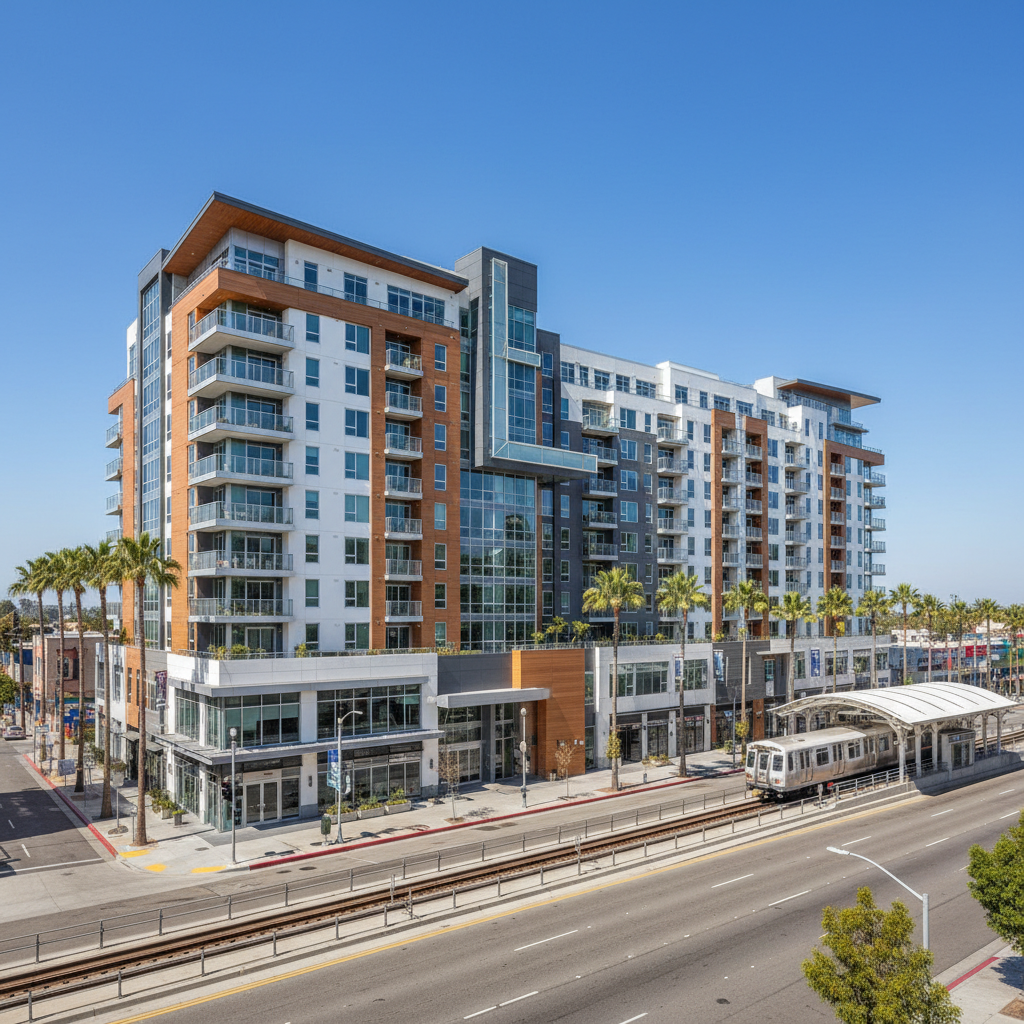
As we navigate the spring of 2026, the Southern California rental landscape has undergone a seismic shift. For years, landlords from Santa Monica to the Inland Empire enjoyed the cushion of record-low vacancies. Today, the script has flipped. A massive delivery of new luxury inventory—projects that broke ground during the 2021-2022 building boom—has finally hit the markets in Downtown Los Angeles, the Irvine Spectrum, and San Diego’s Little Italy. For owners of Class B properties, typically those built in the 1980s and 1990s, the competition has never been more fierce.
Class B properties are currently facing what we call the "Inventory Squeeze." When a brand-new building down the street offers two months of free rent and a rooftop pool, your reliable but aging 1994 garden-style complex starts to look tired. This isn't just a matter of aesthetics; it is a financial survival imperative. To retain quality tenants and maintain rental rates in a market where renter leverage is at a five-year high, owners must adopt the "Inventory Antidote." This strategy involves transition from reactive repairs to high-gloss, curated maintenance that bridges the gap between older builds and the 2026 standard of luxury.
Identifying 'Flash Points': High-Visibility Common Areas
The first step in the high-gloss curated maintenance strategy is identifying "Flash Points." These are the high-visibility zones where a potential tenant (or a current one considering a move) makes an immediate value judgment. In the 2026 renter’s market, if your lobby or fitness center feels like a time capsule from the 90s, no amount of rent concessions will solve your vacancy problem.
The 2026 Lobby Standard
Modern renters in Southern California are looking for "third spaces"—areas outside their unit where they can work or socialize. If your lobby currently consists of a dusty ficus and a solitary mail terminal, it’s a liability. Consider these high-impact refreshes:
- Integrated Workstations: Adding a high-top counter with USB-C charging ports can transform a dead lobby into a functional co-working space, directly competing with the newer "Live-Work" developments.
- Circadian Lighting: Replace old fluorescent or yellow-toned bulbs with smart LED panels that adjust color temperature throughout the day. This creates a modern, high-end feel seen in luxury San Diego high-rises.
- Atmospheric Scenting: Often overlooked, a professional scenting system (think high-end hotel lobby) creates a powerful emotional anchor for prospective tenants during a tour.
The Fitness Zone Pivot
In 2026, a fitness center with three rusted treadmills is worse than no fitness center at all. To compete with the luxury builds in Orange County, Class B owners should focus on "Curated Wellness." This means replacing bulky, outdated machines with high-utility equipment like a functional training rig, kettlebell stations, and wall-mounted touchscreens for on-demand fitness classes. It’s about the experience of the space, not just the square footage.
The Appliance Refresh Cycle: Matching 2026 Tech Standards
The interior of the unit is where the rent renewal is won or lost. As rent prices in the L.A. area face downward pressure, owners must provide tangible value to justify staying at current rates. The standard 2026 renter is more tech-savvy and energy-conscious than ever before, largely due to rising utility costs across Southern California.
The ROI of Smart Thermostats
Installing smart thermostats (like Nest or Ecobee) is one of the highest ROI maintenance upgrades available today. Beyond the "cool factor," these devices appeal to the tenant's wallet. With Southern California Edison and PG&E rates continuing to climb, a property that helps a tenant save 15% on their AC bill is a property they will fight to stay in. For the owner, these devices allow for remote temperature control in vacant units, preventing energy waste and protecting HVAC systems from overuse during heatwaves in Riverside or San Bernardino.
Energy-Efficient Kitchen Sets
If your units still feature white or bisque appliances from the early 2010s, you are inviting vacancy. The "New Inventory Antidote" suggests a transition to matte black or fingerprint-resistant stainless steel. However, the 2026 upgrade isn't just about color; it’s about functionality. Induction cooktops and air-fryer-integrated ovens are becoming the baseline in new Los Angeles developments. By cycling these into your maintenance schedule during unit turns, you effectively "future-proof" your interior against the newer inventory.
Deferred Maintenance as a Vacancy Vector
Maintenance is often viewed as an expense, but in 2026, deferred maintenance should be viewed as a "Vacancy Vector." Small issues that were ignored during the high-demand years are now the primary reason tenants are exploring newer options. In a market with more choices, the "minor" nuisance becomes a reason to move.
The Stucco Sentiment
In Southern California, stucco cracks are ubiquitous, but to a tenant, they signal structural neglect. The 2026 renter equates exterior cracks and peeling paint with a landlord who won't fix a leaky faucet. A systematic approach to "envelope maintenance"—repairing stucco, refreshing trim paint, and power-washing walkways—removes the visual cues of aging. This is particularly critical in coastal regions like Newport Beach or Long Beach, where salt air accelerates the degradation of finishes.
Hallway Lighting and the 'Safety Perception'
Dated, dim hallway lighting is a major driver of tenant turnover. Poorly lit paths feel unsafe and look dingy. Transitioning to sleek, linear LED fixtures not only reduces your common-area electricity bill but also mimics the clean, bright aesthetic of the new builds in West Hollywood. This is a "low-cost, high-gloss" move that immediately changes the tenant's psychological relationship with the building.
Strategic Resurfacing: High-Impact, Low-Cost Finishes
You don't always need a full demolition to compete with 2026 inventory. Architectural finishes have advanced significantly, allowing Class B owners to achieve a Class A look at a fraction of the cost. This is the core of "Curated Maintenance."
Cabinet and Countertop Overlays
Replacing cabinetry is expensive and creates significant downtime. Instead, high-performance architectural wraps or professional lacquer painting can transform dated honey-oak cabinets into modern charcoal or navy finishes. Pair this with quartz overlays for countertops. In the Inland Empire, where rental competition has stabilized, these visual upgrades allow you to maintain premium rents without the capital intensity of a full gut-renovation.
The Power of Luxury Vinyl Plank (LVP)
Carpet is officially the enemy of the 2026 Southern California renter. Between allergies and the general desire for a modern, clean look, LVP has become the standard. If your maintenance budget still includes steam-cleaning old carpets, it’s time to pivot. High-durability LVP mimics wide-plank hardwood and lasts significantly longer, reducing your long-term maintenance costs while providing the high-gloss look that today’s renters demand during their tours.
The Preventive Maintenance Pitch: Marketing Your Reliability
As institutional giants exit the California market, private owners have a secret weapon: documented reliability. Large REITs often struggle with localized maintenance responsiveness. By focusing on systemic health—HVAC, plumbing, and electrical—and documenting your preventive measures, you can market your property as a "stress-free" living environment.
Documented HVAC Health
In the heat of the Coachella Valley or the San Fernando Valley, a broken AC isn't just an inconvenience; it’s an emergency. Use your maintenance records as a marketing tool. "Precision-Tuned HVACs: Inspected Quarterly" is a powerful line in a rental listing. It tells a prospective tenant that they won't be left in the heat. This appeals specifically to risk-averse tenants who may have been burned by poor management in the past.
Proactive Plumbing and SB 721 Compliance
California’s structural safety laws, such as SB 721 (the "Balcony Inspection" law), have made renters more aware of building safety. Beyond legal compliance, conducting proactive plumbing inspections (hydro-jetting lines, checking for pinhole leaks) prevents the lifestyle disruptions that cause tenants to move. A tenant whose life is never interrupted by a pipe burst is a tenant who is unlikely to leave for a flashy new building with unproven management.
Conclusion: Thriving in the New Market Reality
The Southern California market of 2026 doesn't reward the passive landlord. With vacancy rates at five-year highs and new inventory vying for your tenants’ attention, the maintenance of your property must become your primary marketing engine. By identifying flash points, upgrading interiors to tech-forward standards, and eliminating deferred maintenance, Class B owners can do more than just survive; they can thrive.
At McIntire Kingstone, we specialize in this high-gloss, curated approach. We understand that every dollar spent on maintenance must translate into tenant retention and asset appreciation. Whether you are managing a portfolio in Los Angeles or a single multi-family asset in the Inland Empire, the goal remains the same: bridge the gap between your building’s history and the 2026 renter’s future. The market has shifted, and your maintenance strategy must shift with it.
 .5B Bets on the SoCal Rent Silence" class="w-full h-40 object-cover transition-transform duration-300 group-hover:scale-105" loading="lazy"/>