The 2026 Shift: Why Retention is the New Acquisition
As we move through the second quarter of 2026, the Southern California rental market is facing a unique set of challenges. Recent data indicates a notable surge in inventory, with total listings across the region climbing toward 32,000 units. For property owners in Los Angeles, Orange County, and the Inland Empire, the days of passive occupancy are over. With price increases tempering to a modest 2-3%, the power has shifted toward the tenant. In this high-inventory environment, 'habitable' is no longer a competitive advantage—it is merely the baseline.
To protect your yield in a market saturated with new builds and high-rise developments, you must employ what we at McIntire Kingstone call the 'Inventory Antidote.' This is a strategy of high-friction maintenance: creating a living experience so seamless, so aesthetically pleasing, and so responsive that the thought of moving becomes an unbearable chore. By focusing on the details that impact a tenant’s daily life, we can halt the wanderlust that leads to costly turnovers. This article explores five high-impact maintenance pillars designed to anchor your residents and maintain your property's premium status in today’s Southern California market.
1. The 48-Hour Fix Guarantee: A Premium Retention Tool
In a crowded market like San Diego or Los Angeles, responsiveness is the ultimate luxury. While California Civil Code § 1941.1 mandates that a property remains 'tenantable,' the law allows for a 'reasonable' time for repairs—often interpreted as up to 30 days for non-emergencies. However, waiting 30 days for a cabinet hinge repair or a slow drain is a guaranteed way to lose a tenant when their lease expires.
Establishing a Rapid-Response Culture
To implement a 48-hour fix guarantee, property owners must shift from a 'reactive' to a 'proactive' infrastructure. This doesn't mean you personally need to be on call; it means your property management team must have pre-vetted, reliable vendors on retainer. In regions like the Inland Empire, where service wait times can fluctuate, having a 'primary' and 'secondary' contractor for plumbing, electrical, and general handiwork is essential.
- Emergency vs. Urgent: Categorize requests immediately. While a burst pipe is an emergency, a flickering light or a loose doorknob should be treated as 'urgent' to demonstrate care.
- Communication as a Service: Even if a part is backordered, communicating the status within 48 hours is vital. Silence is the primary driver of tenant dissatisfaction.
- The Retention ROI: The cost of a slightly higher-priced vendor who can show up within 48 hours is significantly lower than the $3,000 to $5,000 cost of a single month’s vacancy and turnover cleaning in an Orange County apartment.
2. Common Area Choreography: The 'Curb-to-Couch' Experience
The first 30 seconds of a tenant’s arrival at the property dictates their emotional connection to the space. If they are met with overflowing bins, chipped paint in the lobby, or a lingering smell of dampness in the hallway, they are already mentally shopping for their next home. This is especially critical in multifamily buildings in high-density areas like Long Beach or Santa Monica.
Implementing a Luxury Hotel Cleaning Schedule
We recommend a 'curb-to-couch' audit. Walk the exact path your tenant takes from their car or the street to their front door. Every touchpoint should feel intentional and clean.
- Daily 'Hot Spot' Checks: High-traffic areas such as elevator buttons, mailroom counters, and entrance door handles should be wiped daily. In the post-2020 era, cleanliness is synonymous with safety.
- Scent Branding: High-end property managers in Los Angeles use subtle, hypoallergenic HVAC scents in common areas. A space that smells like 'white tea' or 'sandalwood' triggers a psychological 'home' response.
- Trash Management: With the recent scrutiny over Measure ULA (the 'Mansion Tax') and its impact on multifamily budgets, some owners have cut back on porter services. This is a mistake. A clean dumpster enclosure is a high-friction retention tool.
3. Preventative HVAC & Air Quality: Beyond the Filter
Southern California weather—ranging from the humid coastal air of Newport Beach to the extreme heat and Santa Ana winds of Riverside—puts immense strain on HVAC systems. Most landlords stop at changing the 1-inch pleated filter once a year. To truly anchor a tenant, you should position 'breathable luxury' as a health-centric reason to stay.
The Move to Duct Sanitation
With air quality becoming a top concern for California residents due to seasonal wildfires and urban pollution, offering professional duct cleaning every two years is a major selling point. It removes allergens, dust mites, and debris that a simple filter swap cannot touch.
Smart Thermostats and Efficiency
Installing smart thermostats (like Nest or Ecobee) allows tenants to manage their climate—and their utility bills—remotely. In a state with some of the highest electricity rates in the country, showing a tenant that your maintenance upgrades directly lower their monthly overhead is a powerful way to reduce 'wanderlust.' During routine inspections, ensure that the outdoor condenser units are cleared of debris. A well-maintained HVAC unit runs 15-20% more efficiently, a fact you should share with your tenants in your annual 'Value of Residence' report.
4. The Aesthetic Edge: Modern Hardware Swaps
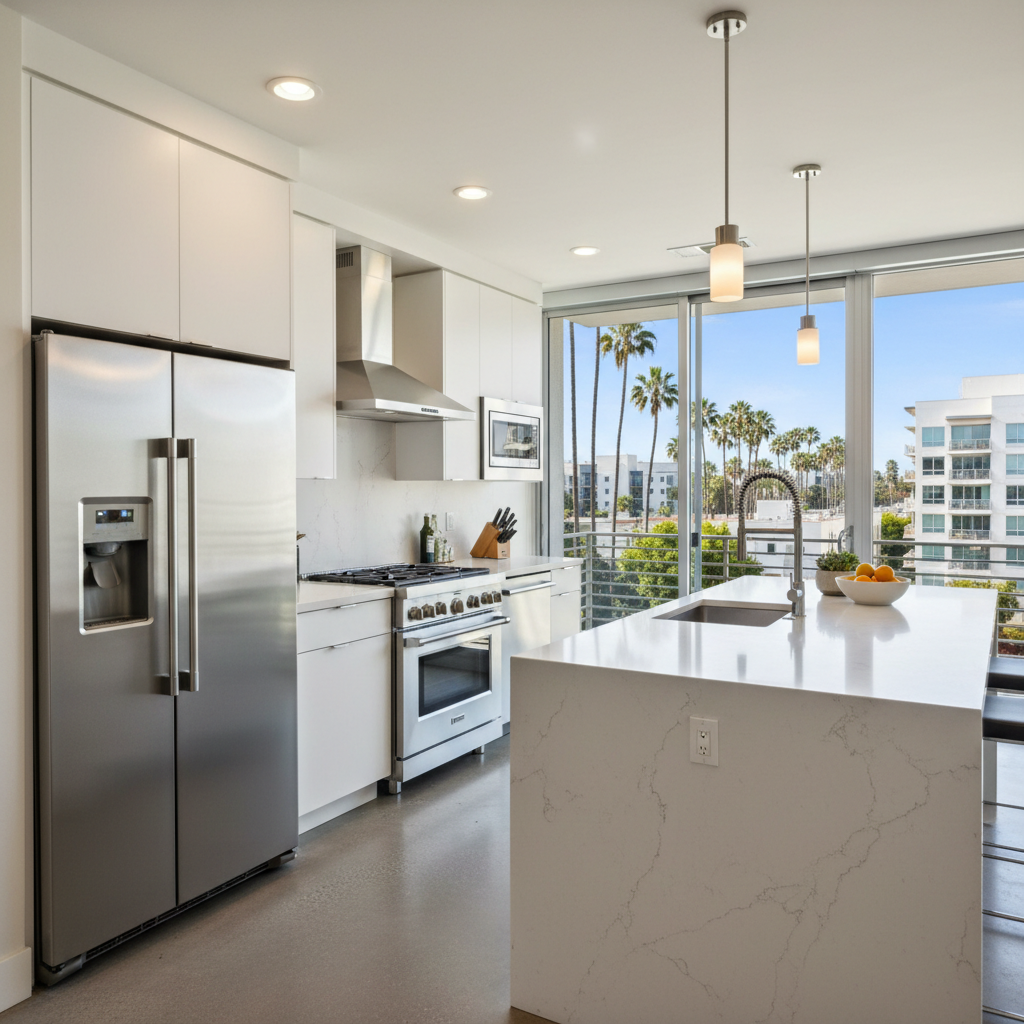
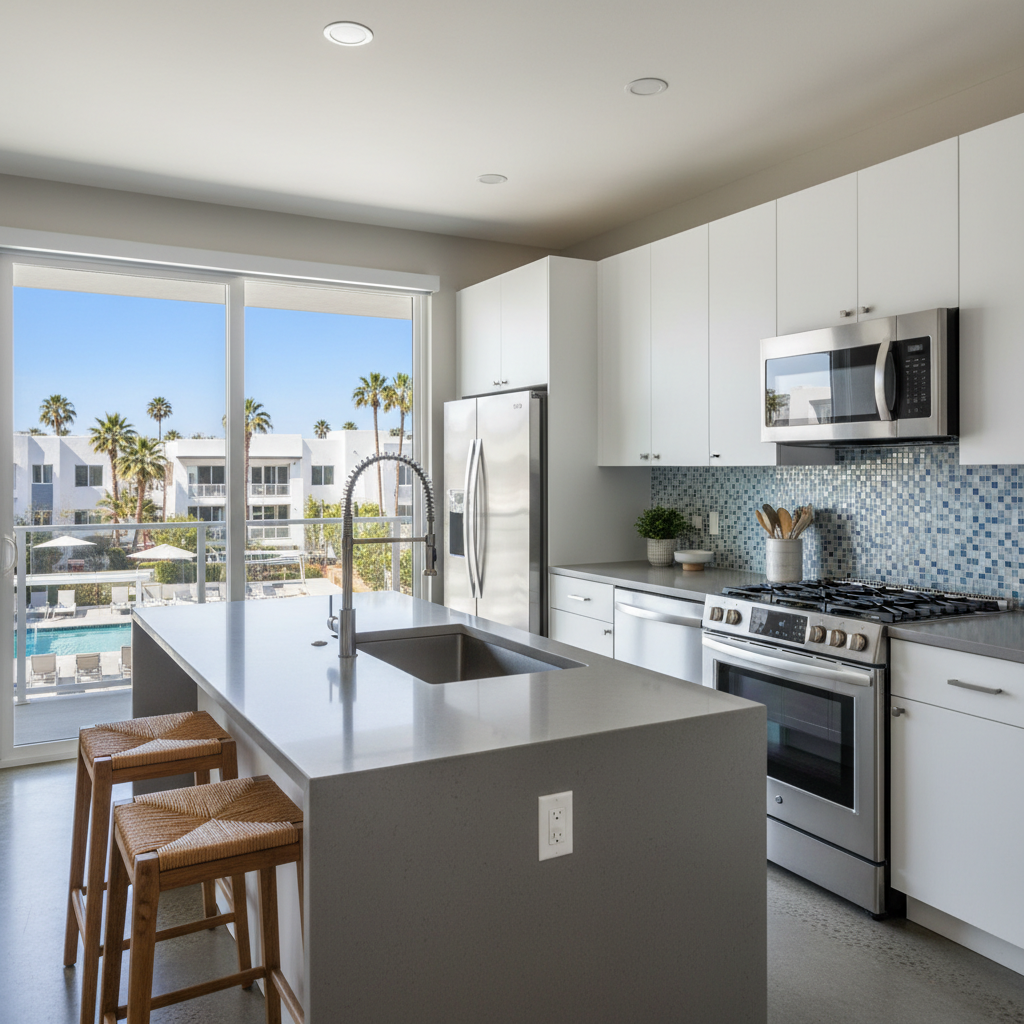
Major renovations are expensive and often impossible while a tenant is in place. However, you can refresh the 'soul' of a unit during a standard six-month or annual inspection through strategic hardware swaps. This prevents the unit from feeling 'dated' compared to the new luxury inventory hitting the market in 2026.
Matte Black and Brushed Gold
Replacing 1990s-era chrome or 'builder-grade' nickel with modern matte black or brushed gold hardware is a low-cost, high-impact move. This includes:
- Cabinet pulls and knobs in the kitchen and bathrooms.
- The kitchen faucet (a high-use touchpoint).
- Door handles and deadbolts.
These upgrades can be completed in under two hours and cost less than $400, yet they change the entire visual language of the interior. When a tenant sees that you are actively investing in the 'style' of their home—even without them asking—it creates a sense of reciprocity and loyalty that a new building’s 'move-in special' cannot replicate.
5. Lighting as Infrastructure: Enhancing Safety and Appeal
Lighting is often the most overlooked component of property maintenance, yet it is the most influential factor in how 'safe' a property feels at night. As Los Angeles and other cities navigate budget discussions around Measure ULA and public infrastructure, private property owners must take the lead in ensuring their premises are beacons of safety.
The Lumens Audit
Perform a nighttime audit of your property. Are the walkways evenly lit? Are there dark shadows behind the carports in your San Bernardino fourplex? Are the hallway lights 'flickering' or cast in a depressing yellow hue?
- LED Transition: Move all exterior and common area lighting to 3000K-3500K LEDs. This 'warm white' range is modern and inviting, avoiding the 'clinical blue' of higher-temperature bulbs or the 'dingy yellow' of old ones.
- Motion-Sensing Perfection: Ensure that motion sensors are calibrated correctly. Sensors that don't trigger until a tenant is already at their door provide no sense of security.
- Architectural Up-lighting: A few well-placed LED spotlights on palm trees or the building facade can make a modest garden apartment in Orange County look like a boutique estate, increasing the perceived value of the rent and the tenant's pride of place.
Navigating the Legal Landscape: Consistency and Fair Housing
As emphasized by the Southern California Rental Housing Association (SCRHA) during Fair Housing Month in April 2026, education and consistency are the cornerstones of successful property management. When implementing these high-friction maintenance programs, it is vital to apply them consistently across all units to avoid Fair Housing violations.
For instance, if you offer hardware upgrades to one tenant, ensure that the same offer is available to others in similar unit types. Likewise, your 48-hour fix guarantee must be a universal standard, regardless of whether the resident is in a