The Evolution of Habitability: Beyond Four Walls and a Roof
In the landscape of Southern California real estate, the definition of 'habitability' has undergone a significant transformation. For decades, California Civil Code Section 1941.1 focused on the structural fundamentals: weatherproof roofs, functional plumbing, heat, and electricity. However, as we move into 2026, the legislative gaze has shifted toward the interior experience of the home. Assembly Bill 628 (AB 628) has officially redefined what constitutes a legal dwelling in the Golden State, specifically mandating the provision of working stoves and refrigerators.
For property owners in high-demand regions like Los Angeles, San Diego, and the Inland Empire, this shift may initially feel like another regulatory hurdle. However, at McIntire Kingstone, we view this transition through a different lens: the 'Appliance Alliance.' By moving early and strategically to meet these new standards, landlords can do more than just comply with the law; they can fundamentally improve resident loyalty and safeguard their investment value in an increasingly complex regulatory environment.
1. Analyzing AB 628: Understanding the New Legal Standards
The centerpiece of the 2026 legislative session is Assembly Bill 628 (McKinnor). This law effectively elevates kitchen appliances from 'optional amenities' to 'essential services.' Understanding the nuances of this bill is the first step for any responsible Southern California landlord.
What the Law Specifically Requires
Under AB 628, every residential rental unit in California must have a working stove and refrigerator to be deemed habitable. This applies to all leases entered into, amended, or extended on or after January 1, 2026. Prior to this, many landlords in older buildings—particularly in historic pockets of Long Beach, San Pedro, or Echo Park—often required tenants to provide their own appliances. As of this year, that practice is largely a thing of the past.
Exemptions and Nuances
While the mandate is broad, there are specific exceptions. The law excludes permanent supportive housing and certain single-room occupancy (SRO) units where food preparation facilities are shared rather than private. However, for the vast majority of standard apartment complexes and single-family rentals in Orange County and Riverside, the requirement is absolute. If a tenant moves out and a new lease is signed, or if an existing tenant signs a renewal, the landlord is legally obligated to ensure these two appliances are present and functional.
The Risk of Non-Compliance
Failure to comply with AB 628 isn't just a minor oversight; it is a breach of the warranty of habitability. This gives tenants significant leverage, including the potential to withhold rent or use 'repair and deduct' remedies. In a litigious environment like the Inland Empire or San Bernardino County, staying ahead of these requirements is essential to avoiding costly legal disputes.
2. The 'Brand New' Psychological Effect: Shifting Tenant Perception
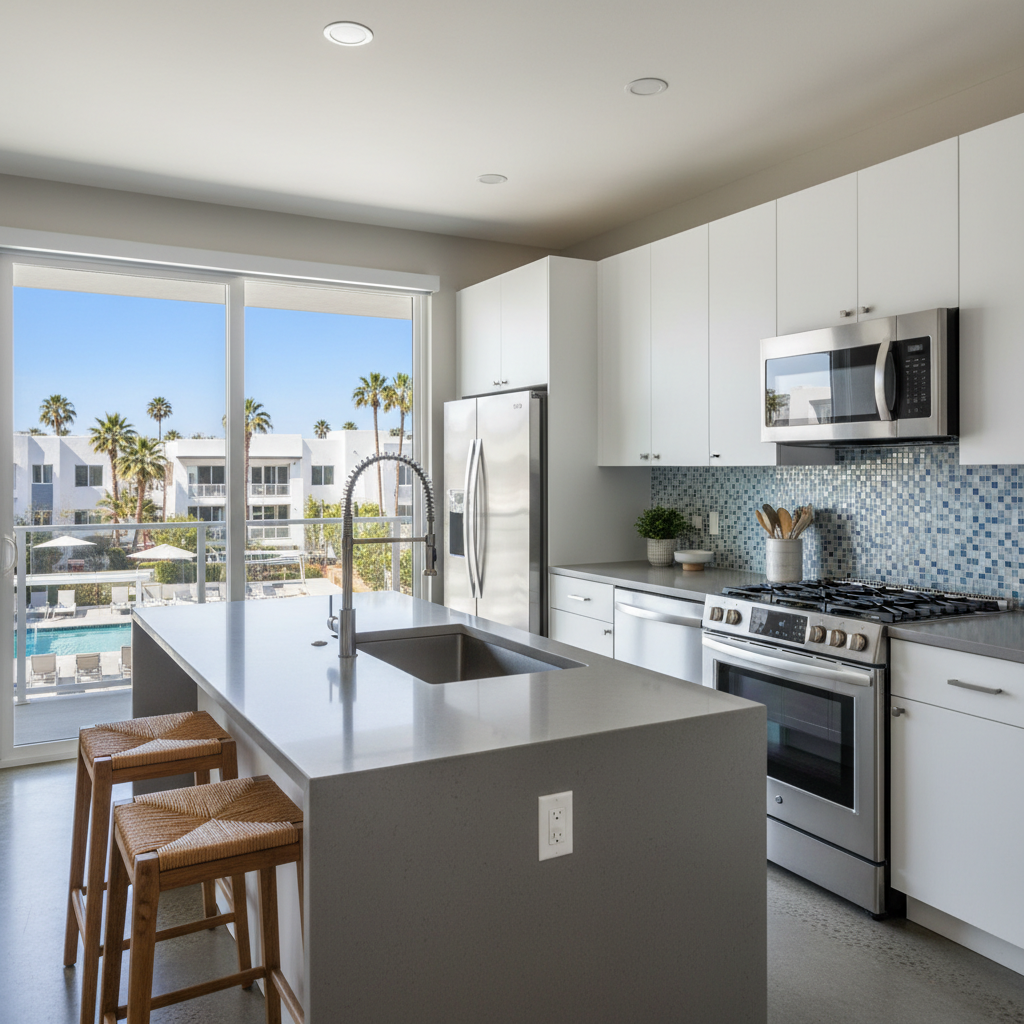
Property management is as much about psychology as it is about maintenance. When a resident walks into a unit and sees a gleaming, modern refrigerator and a clean, reliable stove, their perception of the property—and the owner—changes instantly. This is the 'Brand New' psychological effect, and it is a powerful tool for building resident loyalty.
A Signal of Care
In the current Los Angeles housing climate, where many tenants feel the pressure of rising costs, an upgrade like new appliances serves as a tangible signal that the landlord cares about the quality of life within the unit. It moves the relationship from purely transactional to a partnership. When a tenant feels that the property owner is investing in their comfort, they are significantly more likely to take better care of the property and remain in place long-term.
The Competitive Edge in SoCal
The Southern California rental market remains competitive, but the modern tenant is more discerning than ever. A renter in Irvine or Mission Valley has choices. Proactively installing high-quality, aesthetically pleasing appliances can be the deciding factor that keeps a high-quality tenant from moving to a newer development down the street. It creates a 'pride of residency' that is difficult to replicate with just a fresh coat of paint.
3. Proactive vs. Reactive: Preventing Maintenance Friction
One of the most common points of friction between landlords and tenants is the breakdown of aging appliances. By adopting a proactive replacement strategy in response to AB 628, owners can eliminate these pain points before they occur.
Reducing Emergency Service Calls
There is nothing more frustrating for a resident in San Diego or Riverside than a refrigerator failing in the middle of a triple-digit heatwave. For the landlord, this usually results in an expensive emergency repair bill and a requested rent credit for spoiled groceries. By replacing units that are 10+ years old now, you are essentially pre-empting these crises. New appliances under warranty mean fewer headaches for you and fewer interruptions for your tenant.
Predictable Capital Expenditures
Reactive maintenance is always more expensive than planned upgrades. By auditing your portfolio now and scheduling replacements across your units, you can negotiate bulk pricing with local suppliers and schedule installations during normal business hours. This controlled approach to capital expenditures is far better for your cash flow than responding to three 'fridge out' emergencies in the same month.
4. Energy Efficiency: An Olive Branch in an Era of Rising Utility Costs
Southern California residents face some of the highest utility rates in the country. From LADWP to Southern California Edison, electricity costs continue to climb. Integrating energy-efficient appliances into your AB 628 compliance strategy offers a dual benefit: it helps the environment and provides financial relief to your tenants.
Lowering the 'Real' Cost of Rent
When a tenant evaluates their monthly budget, they look at 'total housing cost'—rent plus utilities. An old, power-hungry refrigerator can add