The Concrete Metamorphosis: Navigating the New Frontier of SoCal Real Estate
For decades, the skyline of Southern California has been defined by the glass and steel of corporate ambition. From the high-rises of Downtown Los Angeles to the Class A office parks of Pasadena and Irvine, office real estate was the bedrock of institutional investment. However, the cultural shift toward remote work and the post-pandemic 'flight to quality' have left many of these concrete giants underutilized. In April 2026, we are witnessing a historic pivot: the conversion of these stagnant assets into high-yield residential development pipelines.
At McIntire Kingstone, we are tracking a significant 'Concrete Metamorphosis.' This isn't just a trend; it is a structural realignment of the Southern California landscape fueled by aggressive new legislation and a desperate need for housing. For property owners in Los Angeles, Orange County, and the Inland Empire, the opportunity to reposition office assets into multi-family residential units represents a primary path to harvesting yield in a challenging market. This article explores the legislative breakthroughs, the financial incentives, and the strategic 'by-right' processes that are turning the work-from-home surplus into a residential gold mine.
1. The Bass Expansion: Citywide Adaptive Reuse and Its Impact on Valuations
The turning point for the Los Angeles market arrived with Mayor Karen Bass’s recent citywide expansion of the Adaptive Reuse Ordinance. Originally adopted in 1999, the ordinance was localized to Downtown Los Angeles, where it successfully catalyzed the rebirth of the historic core. Now, that same regulatory engine has been unleashed across the entire city, and the ripple effects are being felt across the Southern California region.
Breaking the Downtown Boundary
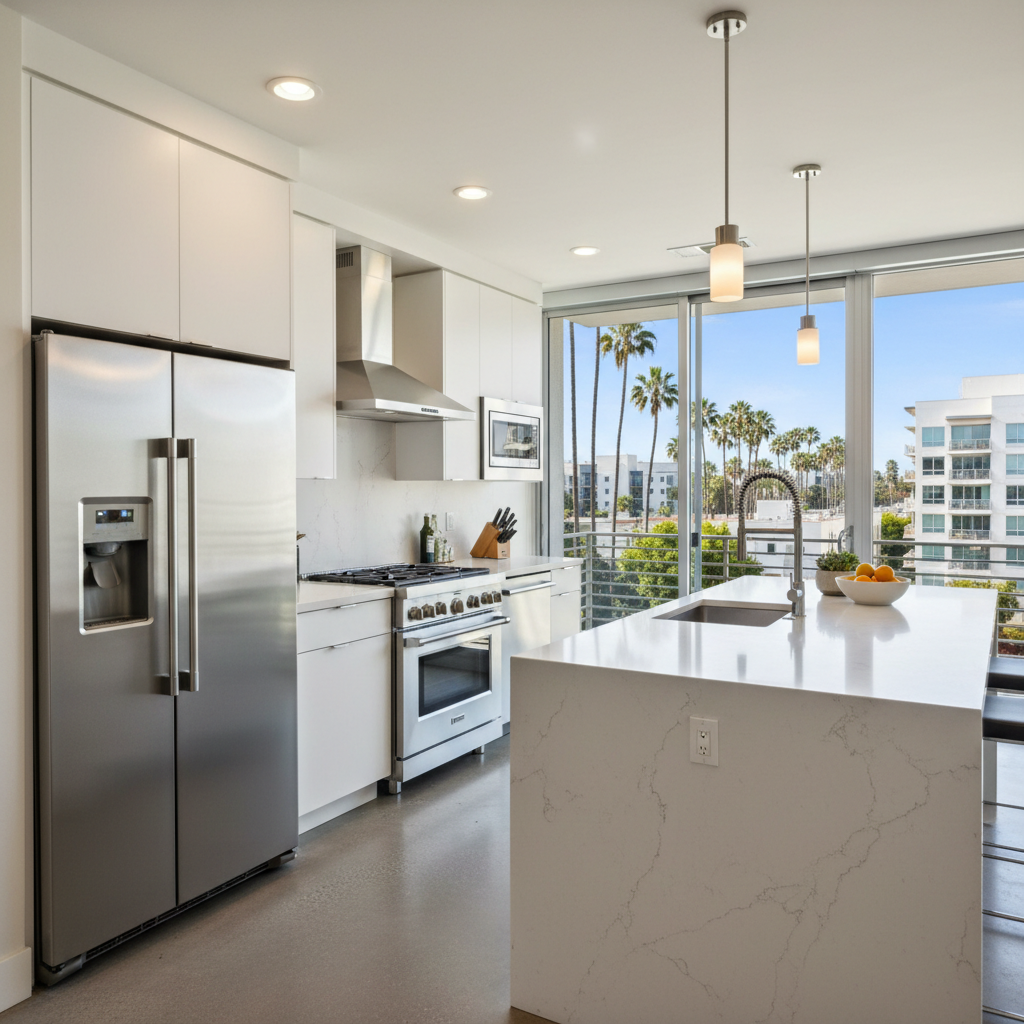
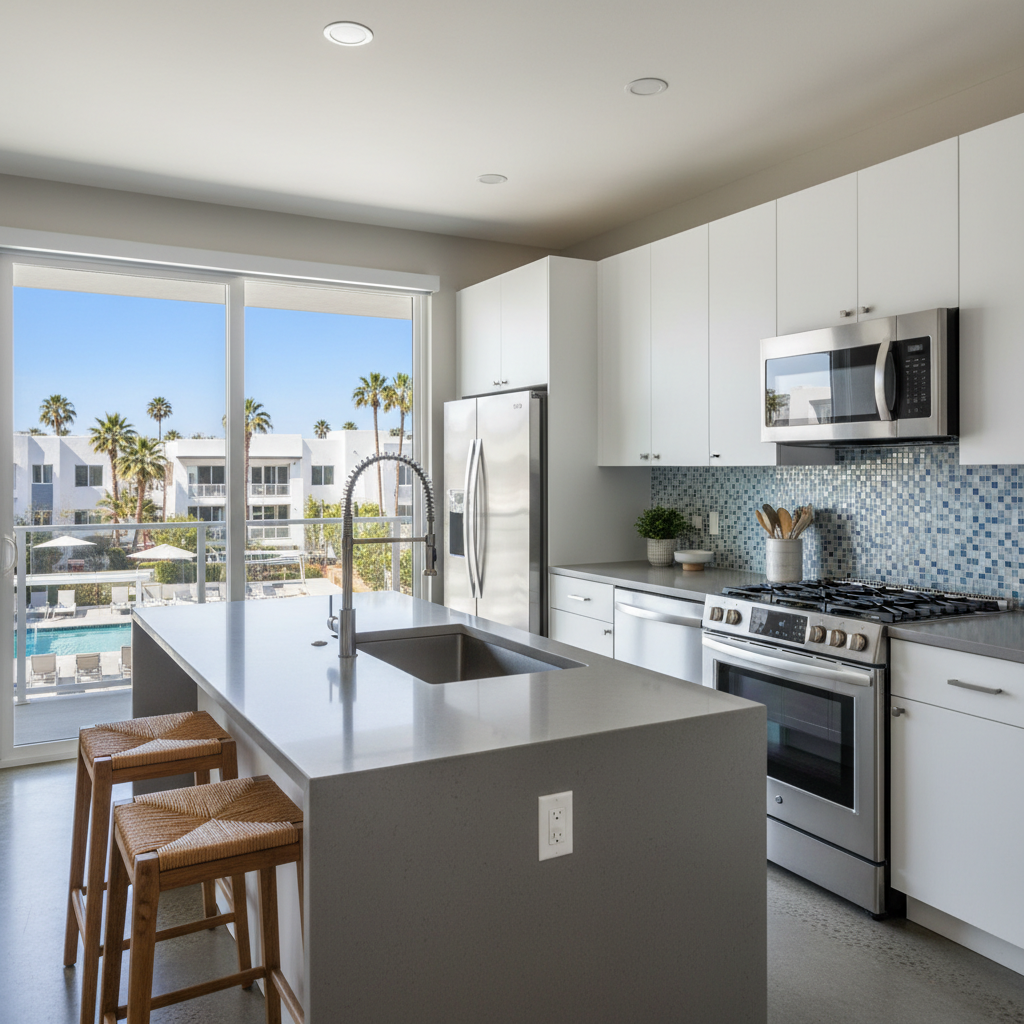
By removing the geographical limitations of the original ordinance, the city has essentially opened up thousands of acres of commercial corridors—from Hollywood to the San Fernando Valley—for residential transformation. This expansion changes the valuation math for property owners. A struggling mid-block office building in a neighborhood with high residential demand but restricted zoning suddenly sees a dramatic increase in its 'highest and best use' valuation.
Impact on Neighborhood Density and Vitality
The impact goes beyond individual balance sheets. As high-density residential units replace vacant office floors, we anticipate a surge in neighborhood density that favors commercial retail and local services. For landlords, this creates a synergistic environment where the ground-floor retail of a converted building becomes more valuable due to the captive audience of residents living directly above. This is the '15-minute city' model finally taking root in the sprawling geography of Southern California.
2. The '15-Year Rule': Unlocking Mid-Century and Modern Inventory
Perhaps the most significant technical change in the 2026 legislative landscape is the introduction of the '15-year rule.' Historically, adaptive reuse incentives were often reserved for 'historic' structures built before 1974. This excluded a massive inventory of buildings from the late 70s, 80s, and 90s.
Broadening the Inventory
The new ordinance establishes a faster approval process for the conversion of buildings that are at least 15 years old. This means that a Class B office building constructed in 2011 is now a prime candidate for residential conversion. This shift is critical because modern buildings often have infrastructure—such as more efficient HVAC systems, reinforced concrete slabs, and accessible elevator cores—that make conversion significantly less expensive than retrofitting a 100-year-old brick warehouse.
The 43,000-Unit Opportunity
The Mayor’s office estimates that this adjustment alone could unlock more than 43,000 additional units of housing across Los Angeles. For investors, this represents a target-rich environment. The '15-year rule' transforms a dated suburban office park in the Inland Empire or a mirrored-glass tower in Orange County into a potential apartment complex with a fraction of the traditional entitlement risk.
3. The Power of 'By-Right' Approvals: Removing the Red Tape
The traditional development process in California is notorious for its 'red tape,' often involving years of environmental reviews, public hearings, and discretionary approvals. The new adaptive reuse framework changes the game by utilizing 'by-right' approval processes.
Eliminating Discretionary Hurdles
Under a 'by-right' process, if a project meets the specified objective zoning and building standards, it must be approved. It does not require a vote from the City Council or a subjective review by a planning commission. This dramatically reduces the timeline from acquisition to occupancy. In a high-interest-rate environment, saving 12 to 24 months in the planning phase can be the difference between a project's financial viability and its failure.
Focusing on Affordable and Workforce Housing
Many of these by-right incentives are tied to the inclusion of affordable or workforce housing units. For example, the conversion of the World Trade Center in Downtown Los Angeles into a 512-unit affordable housing complex serves as a flagship case study. By aligning with the city’s housing goals, developers can bypass the CEQA (California Environmental Quality Act) lawsuits that frequently plague ground-up developments. This regulatory 'fast track' is the golden ticket for Southern California investors looking to deploy capital efficiently.
4. Capital Migration: Lessons from the World Trade Center and Pasadena
To understand where the market is going, we must look at where the big money is moving. Recent transactions in Los Angeles and Pasadena highlight a clear trend: capital is flowing away from traditional corporate office utility toward essential-use or residential-ready assets.
The Pasadena Class A Shift
Take the recent sale of 35 N Lake Ave in Pasadena. This 158,000-square-foot Class A office tower was sold by Swift Real Estate Partners to the State Compensation Insurance Fund. While this specific transaction involves an owner-user, it signifies a broader trend in the Pasadena and San Gabriel Valley markets. Class A assets that are no longer commanding peak rents from corporate tenants are being repositioned or acquired by entities with long-term, non-speculative stability. For private investors, the lesson is clear: the era of speculative office leasing is being replaced by assets with guaranteed occupancy or conversion potential.
The World Trade Center Benchmark
The World Trade Center conversion mentioned by Mayor Bass is a blueprint for the future. When a building of that scale—traditionally a hub of international commerce—is successfully pivoted to residential use, it proves that no asset is 'too big' for the concrete metamorphosis. Large-scale property owners should consider their square footage not as desk space, but as potential bedrooms. The yield on a 500-unit residential complex in the current SoCal market is increasingly more attractive than a half-vacant office tower requiring constant tenant improvement (TI) allowances and leasing commissions.
5. Strategic Repositioning: Turning Surplus into High-Yield Pipelines
How should a property owner in Riverside, San Bernardino, or Orange County respond to these market shifts? The transition from office to multi-family is complex, but the potential yields make it a necessary consideration for any diversified portfolio.
Assessing Building Suitability
Not every office building is a good candidate for conversion. As property managers and consultants, we advise owners to look for specific 'residential-compatible' traits:
- Floor Plate Depth: Buildings with a distance of 30-40 feet from the window to the core are ideal for natural light in apartments.
- Plumbing and Waste: Assessing the feasibility of adding wet stacks for individual kitchens and bathrooms is the most significant cost hurdle.
- Parking Ratios: Office buildings often have higher parking-to-square-foot ratios than residential requirements, which can be an asset or a source of additional development area (ADU potential).
Actionable Steps for SoCal Landlords
- Audit Your Portfolio: Identify assets that have been vacant for more than 18 months or are facing major lease expirations in the next 3 years.
- Feasibility Study: Engage an architect familiar with the 2026 Adaptive Reuse Ordinance to conduct a preliminary unit-count study.
- Explore Local Incentives: Beyond Los Angeles, cities like San Diego and Long Beach are considering similar 'by-right' expansions for commercial conversion.
- Partner with Professional Management: Managing a multi-family residential community is vastly different from managing a commercial office building. The tenant relations, maintenance cycles, and legal compliance requirements (such as the California Tenant Protection Act - AB 1482) require a specialized approach.
6. The Legal Landscape: Fair Housing and Resident Manager Reform
As you transition into the residential space, you must be prepared for the regulatory environment governing tenancies in California. The legislative landscape is constantly evolving, as seen in the recent discussions by the Southern California Rental Housing Association (SCRHA).
Fair Housing Education
April is Fair Housing Month, and for new residential landlords, education is non-negotiable. Converting an office building into apartments means entering a world of strict anti-discrimination laws. As highlighted by SCRHA Executive Director Alan Pentico, consistency and ongoing training for all staff are the only ways to mitigate the risk of costly litigation.
The Resident Manager Requirement
Current California law (from 1961) requires a resident manager for properties with 16 or more units. While there was a recent attempt (AB 1771) to modernize this regulation into a study bill, the requirement remains in place. For developers converting large office buildings into hundreds of units, budgeting for on-site management is an essential part of the operational pro forma. At McIntire Kingstone, we specialize in navigating these specific California mandates, ensuring your converted asset remains compliant while maximizing operational efficiency.
Conclusion: Embracing the Future of Urban Living
The office-to-apartment gold rush is more than a reaction to a bad office market; it is a proactive reimagining of Southern California's urban centers. With Mayor Bass's expansion of the Adaptive Reuse Ordinance and the 15-year rule, the barriers to entry have never been lower, and the potential for yield has never been higher.
For property owners in Los Angeles, Orange County, and the Inland Empire, the choice is clear: continue to struggle with the office surplus or embrace the concrete metamorphosis. By converting underutilized commercial shells into vibrant residential communities, you are not only securing your financial future but also contributing to the solution for California's housing crisis.
McIntire Kingstone is here to help you navigate this transition. From feasibility consultation to professional residential property management, we ensure that your conversion project becomes a high-performing asset in the new Southern California real estate economy.