The Community-Oriented Commute: Transit Amenities for Loyalty
MK Property Management
July 8, 2026
8 min read
Share this article:
The Shift Toward Transit-Oriented Living in Southern California
For decades, the Southern California lifestyle was defined by the open road and the single-family home. However, as of March 2026, the landscape is shifting. With housing affordability at a critical juncture—where only about 18% of California households can afford a median-priced home—and state regulations increasingly targeting Vehicle Miles Traveled (VMT), property owners must adapt. The modern tenant is no longer just looking for a place to park their car; they are seeking a lifestyle that minimizes the stress of the 405 or the I-15 and maximizes their connection to the local community.
At McIntire Kingstone, we are seeing a definitive trend: properties that position themselves as 'Transit-First' communities are experiencing lower turnover rates and higher tenant satisfaction. By leveraging transit-adjacent amenities, landlords in Los Angeles, Orange County, and San Diego can build deep-seated tenant loyalty that goes beyond the four walls of an apartment. This article explores how to transform your property into a community-centric hub by integrating with California’s growing transit infrastructure.
1. Positioning Your Property as a 'Transit-First' Community
Positioning a property as 'Transit-First' is a strategic branding move that appeals to a growing demographic of eco-conscious professionals and Gen Z renters. In regions like the Inland Empire and Riverside, where commutes can be legendary, highlighting alternatives to the daily grind is a significant value proposition.
Marketing Connectivity, Not Just Square Footage
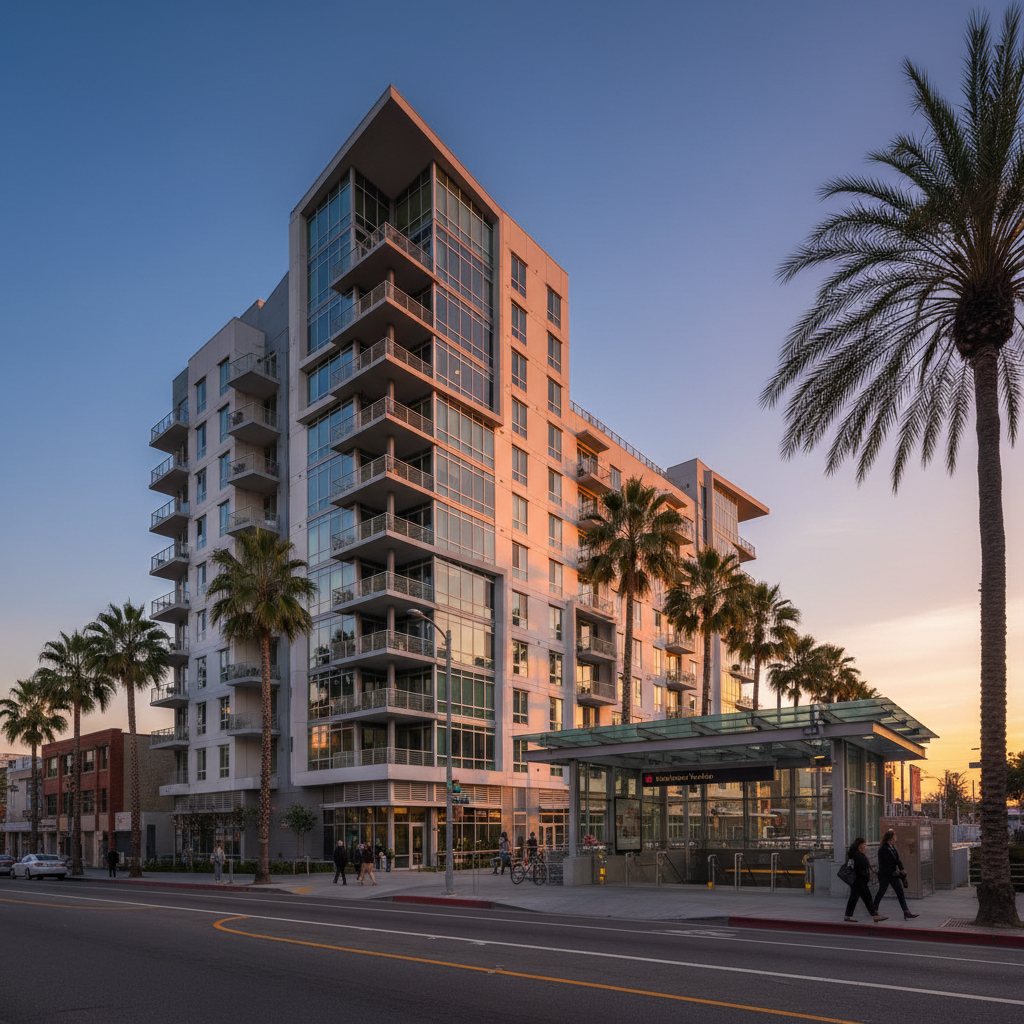
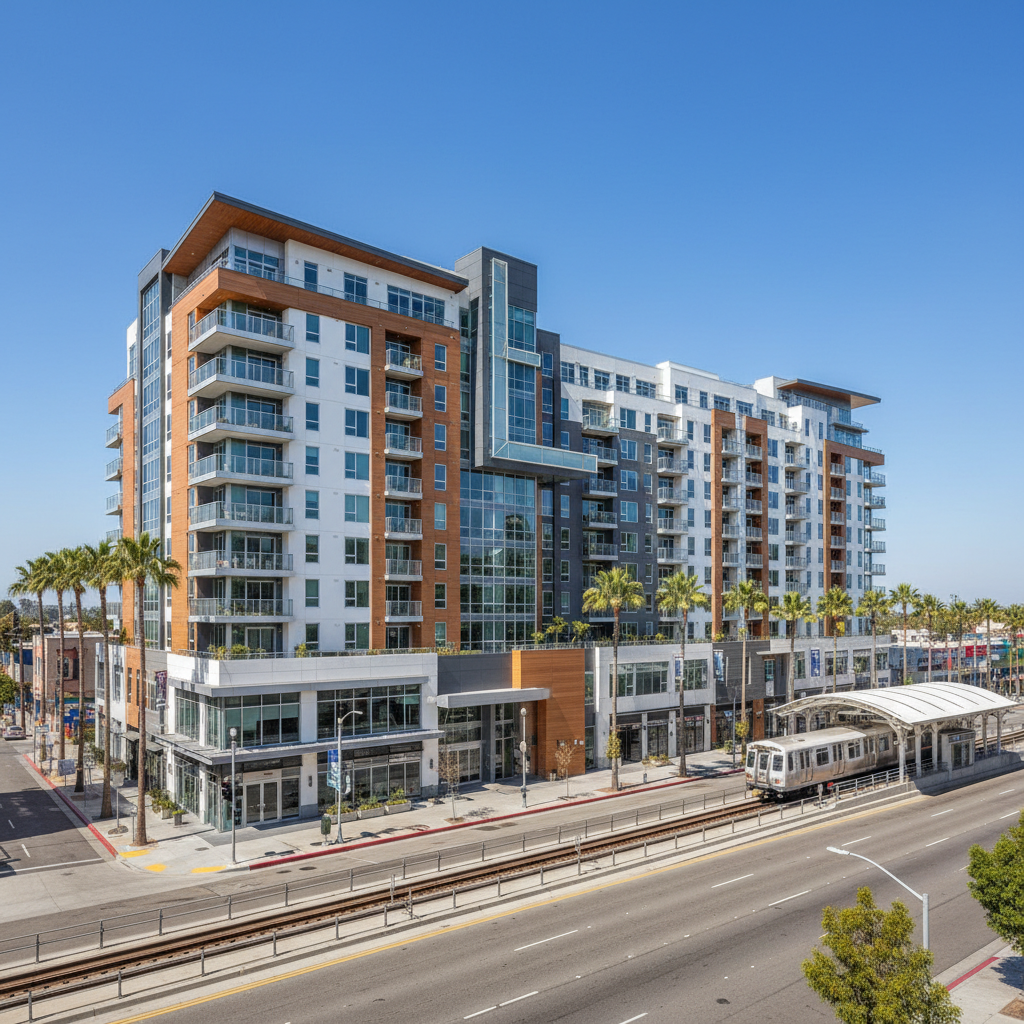
When listing a property in areas like Pasadena or Downtown San Diego, traditional marketing focuses on bed/bath counts and kitchen finishes. A Transit-First approach shifts the focus. Highlight the 'Walk Score' and the proximity to the LA Metro Rail, Metrolink, or the San Diego Trolley. Use high-quality photography that shows the ease of access to these hubs. For example, a property near the Memorial Park Metro Station in Pasadena isn't just an apartment; it's a gateway to the entire San Gabriel Valley and beyond without the need for a car.
Appealing to the Eco-Conscious Renter
California’s regulatory environment is pushing for higher density near transit centers. By emphasizing your property’s alignment with these goals, you attract tenants who value sustainability. These tenants often stay longer because they have built their lifestyle around the lack of a commute, making them less likely to move to a property that requires a vehicle-dependent lifestyle.
2. Developing Tenant-Facing 'Commuter Value Kits'
One of the most effective ways to build immediate rapport with new tenants is to provide them with a Commuter Value Kit upon move-in. This is more than just a bus schedule; it is a curated guide to navigating their new neighborhood efficiently.
What to Include in Your Kit
Localized Transit Maps: Custom-designed maps showing the safest walking paths to the nearest Metro or bus stop.
Pre-loaded TAP Cards or Pronto Cards: A small gesture, like a Metro TAP card with a
0 balance, can encourage a tenant to try the train for the first time.
VMT Cost-Savings Calculator: A simple sheet showing the average monthly savings of using transit versus car ownership (considering gas, insurance, and maintenance in Southern California).
Real-Time Transit Displays: If your property has a lobby, consider installing a digital screen that shows real-time arrivals for nearby transit lines.
The Practical Impact of Education
Many tenants are unaware of the localized perks available near Transit-Oriented Developments (TOD). By educating them on 'Last Mile' solutions—like local shuttle services or specific bus routes that bypass heavy traffic areas—you position yourself as a local expert rather than just a rent collector.
3. Collaborating with Transit-Adjacent Businesses for Exclusive Discounts
Tenant loyalty is often forged in the neighborhood, not just the building. For property owners in vibrant areas like Long Beach or the Orange County Platinum Triangle, establishing partnerships with local vendors is a win-win-win scenario.
Building Neighborhood Ties
By reaching out to coffee shops, dry cleaners, and coworking spaces located along the transit corridor, you can negotiate exclusive 'tenant-only' discounts. For example, a tenant showing their key fob at a café near the Santa Ana Regional Transportation Center (SARTC) might get 10% off their morning latte.
Strengthening the Hyper-Local Economy
Shared Success: When your tenants support local businesses, those businesses thrive, which in turn makes your neighborhood more desirable.
Exclusive Experiences: Host 'Transit-Tuesdays' where a local vendor brings samples to the property lobby, further cementing the bond between the resident and the local commercial ecosystem.
Vendor Referral Programs: Encourage local businesses to mention your property to their patrons, creating a localized referral network.
4. Reducing Turnover Through VMT Cost-Savings Education
The state of California is increasingly focused on reducing Vehicle Miles Traveled (VMT) to meet climate goals. This is often seen as a regulatory hurdle, but for the savvy property owner, it is a tool for retention. High car-dependency is a financial burden on tenants.
The Financial Argument for Retention
In 2026, the cost of maintaining a vehicle in Southern California, including soaring insurance premiums and fuel costs, can easily exceed $800 a month. When a tenant realizes that living in your transit-adjacent property allows them to downscale to a one-car household—or go car-free entirely—they suddenly have significantly more disposable income. This 'hidden' affordability makes your rent price much more competitive compared to a cheaper unit in a transit desert.
Educational Workshops
Consider hosting periodic 'Commuter Workshops' led by your property management team. These can cover how to use apps like 'Transit' or 'Citymapper,' or how to take advantage of California’s new transit-oriented density laws that are bringing more amenities directly to station areas. When tenants see that you are invested in their financial health and their time, loyalty follows naturally.
5. Implementing Micro-Mobility and Modern Tenant Experiences
To truly modernize the tenant experience, property owners must address the 'First-Mile/Last-Mile' challenge. This is the gap between the transit station and the tenant’s front door. In cities like Riverside or San Bernardino, where stations may be slightly further from residential pockets, micro-mobility is the key.
Investing in E-Bike Infrastructure
Secure, indoor, and climate-controlled E-bike storage is no longer a luxury; it is a necessity. Providing charging stations and repair kiosks (with tools and air pumps) within the building sends a clear signal that the property supports modern commuting. E-bikes allow tenants to cover the distance from a Metrolink station to their home in minutes, effectively expanding the 'prime' location radius of your property.
Rideshare and Micro-Transit Waiting Zones
Create a designated, well-lit, and comfortable 'Rideshare Waiting Zone' or 'Micro-mobility Hub' at your property entrance. This could include seating and a weather-protected area for tenants waiting for an Uber, Lyft, or a city-sponsored micro-transit shuttle. In regions like Orange County, these small architectural choices significantly enhance the perceived safety and convenience of the property.
Conclusion: Leading the Way in the New California Housing Market
As California continues to struggle with housing supply, the properties that will thrive are those that offer more than just a roof. By embracing the 'New York State of Mind'—as some critics call the push for density—and turning it into a uniquely Southern Californian amenity-rich lifestyle, property owners can secure their investments against market volatility.
Leveraging transit-adjacent amenities is about more than just proximity to a train track. It is about building a community where the commute is a value-add rather than a chore. Whether you own a multi-family complex in Los Angeles or a boutique apartment building in the Inland Empire, implementing these transit-oriented strategies will differentiate your property, reduce your turnover, and build a lasting sense of community that tenants are proud to call home.
At McIntire Kingstone, we specialize in maximizing the potential of Southern California properties through innovative management and deep local expertise. By focusing on tenant loyalty today, we ensure the long-term value of your real estate investment tomorrow.
MK Property Management
The McIntire Kingstone team brings decades of combined experience in property management, real estate investment, and tenant relations.

 .5B Bets on the SoCal Rent Silence" class="w-full h-40 object-cover transition-transform duration-300 group-hover:scale-105" loading="lazy"/>