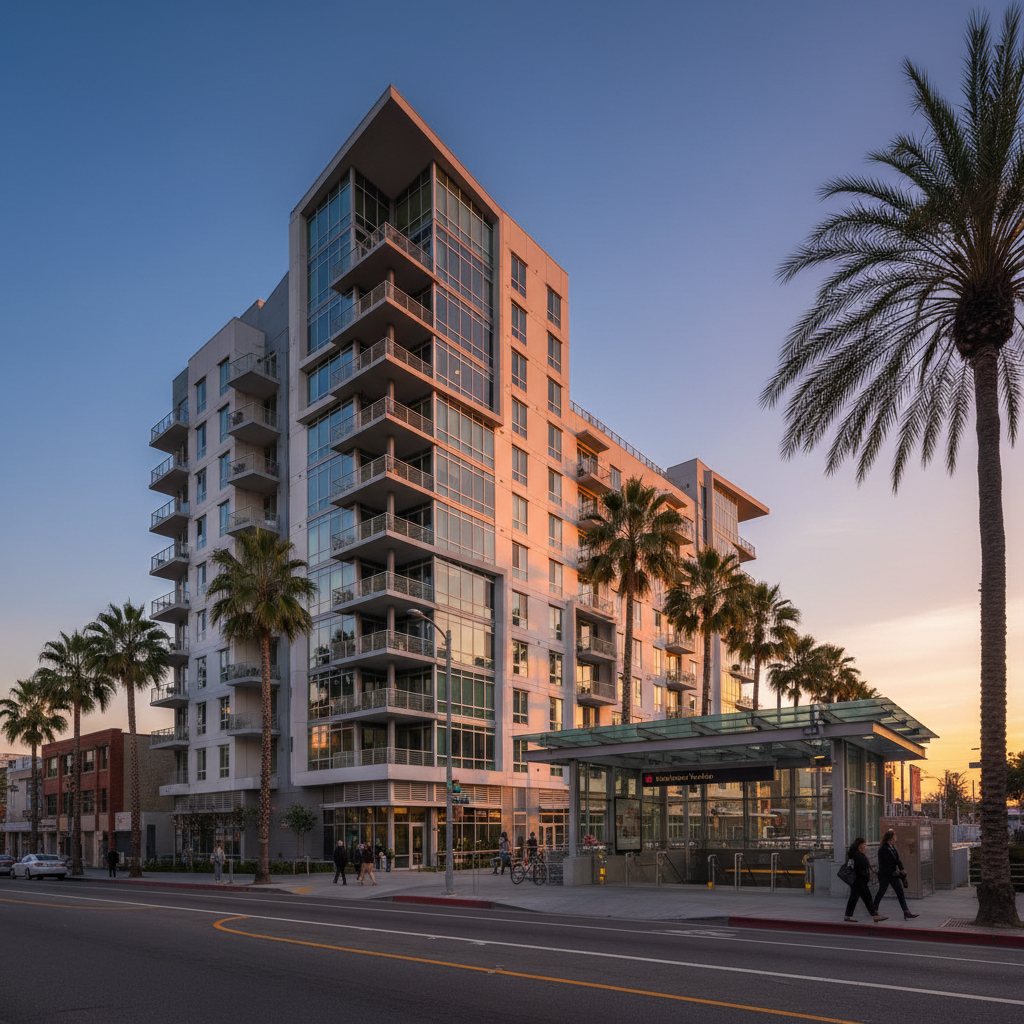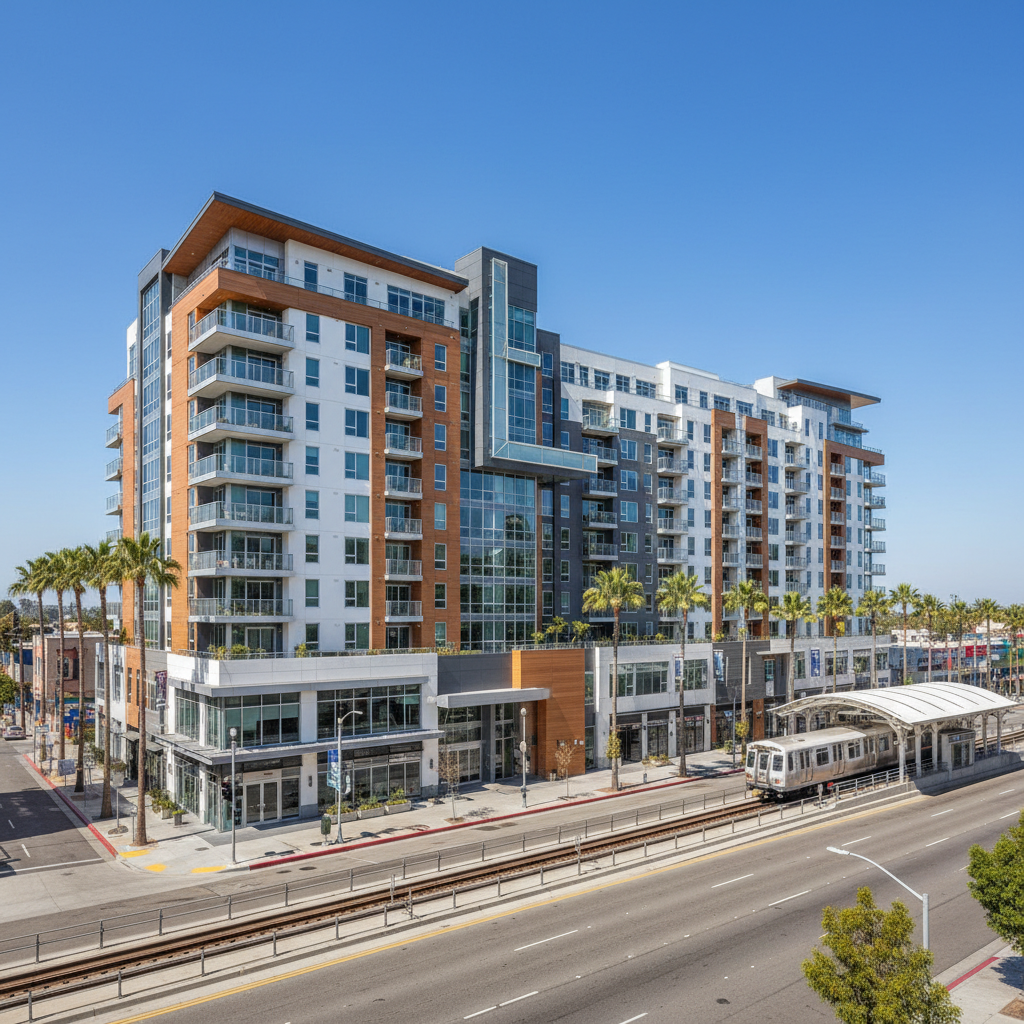
The Rise of the Displaced Buyer in Southern California
As of March 2026, the Southern California real estate landscape is marked by a profound paradox. According to the latest data from Attom and historical tracking in the Orange County Register, the region is entering its fourth year of a "deep freeze" in home sales. While median prices have plateaued slightly, a typical monthly mortgage payment for a house hunter in areas like Los Angeles, Orange County, and San Diego has surged by a staggering 59% in just four years. This massive financial hurdle has fundamentally altered the demographics of the rental market.
We are witnessing the emergence of the "Forever-Renter"—a class of individuals who, under different economic conditions, would be homeowners. These are high-income professionals and growing families who are effectively priced out of ownership by the combination of high interest rates and sticky home prices. This phenomenon, often referred to as "Sticky-Key Syndrome," means tenants are staying in rental properties longer than ever before because the transactional cost of moving into homeownership is simply too high. For property owners in the Inland Empire, Riverside, and San Bernardino, this presents a unique opportunity to secure stability through strategic tenant retention.
Analyzing the 59% Payment Surge
The math behind this shift is sobering for potential buyers but revelatory for landlords. With the 30-year mortgage rate averaging 6.4% over the last four years—compared to 3.6% in the preceding period—the purchasing power of local residents has been decimated. A median-priced home in Southern California at $785,000 now requires a monthly carry that few can justify when compared to luxury rental rates. This has created a pool of "displaced buyers" who bring with them high expectations for their living environment. They are not looking for a temporary stopgap; they are looking for a place to build a life.
The 'Ownership Experience' Without the Mortgage
To capitalize on the Sticky-Key Syndrome, property owners must shift their mindset from providing "units" to providing "homes." These high-income, long-term tenants expect an ownership experience. If they cannot own the deed, they want to own the lifestyle. This requires a shift in how we approach property upgrades and amenities.
High-Touch Property Upgrades
Traditional rental upgrades often focus on durability and cost-effectiveness. However, to anchor a tenant who is accustomed to the idea of homeownership, upgrades should focus on sensory and psychological satisfaction. Consider the following high-impact improvements:
- Smart Home Integration: Installing integrated systems for climate control (Nest/Ecobee), security (Ring/Arlo), and lighting. In Southern California’s climate, energy-efficient smart thermostats are particularly valued.
- High-End Kitchen Finishes: Moving beyond basic granite to quartz countertops and professional-grade stainless steel appliances. For properties in affluent areas of Orange County or Los Angeles, these features are often the deciding factor for long-term stays.
- Electric Vehicle (EV) Charging: With California's aggressive push toward zero-emission vehicles, providing a Level 2 EV charger in the garage or parking stall is no longer a luxury—it is a retention necessity.
Wellness and Outdoor Living
Southern Californians value their outdoor space. To satisfy the psychological need for permanent housing, landlords should invest in the "outdoor room" concept. This might include high-quality landscaping, built-in BBQ stations, or improved patio privacy. In regions like the Inland Empire where lot sizes are larger, a well-maintained yard can be the primary reason a tenant chooses to stay for five to ten years rather than looking elsewhere.
Strategic Renewals: Moving to 'Loyalty-Locked' Leases
The standard industry practice in California has long been to push for the maximum allowable rent increase under AB 1482 (The California Tenant Protection Act), which generally limits annual increases to 5% plus the local CPI, or 10%, whichever is lower. However, in a frozen market where turnover costs (vacancy, marketing, repairs, and commissions) can exceed several months of rent, aggressive annual hikes can be counterproductive.
The Problem with Aggressive Rent Hikes
When a high-quality tenant faces a maximum rent increase every twelve months, it triggers a "market check" response. They begin to browse Zillow and Redfin to see if they can get a better deal elsewhere. Even if they don't move immediately, the seed of discontent is planted. In the current 2026 climate, the goal is to prevent the tenant from ever looking at the competition.
Implementing Loyalty-Locked Structures
At McIntire Kingstone, we recommend a more nuanced approach to renewals for long-term tenants. Consider these strategies:
- Multi-Year Lease Incentives: Offering a stabilized rent for a 24-month or 36-month commitment. This provides the tenant with the same payment stability a fixed-rate mortgage would offer.
- Tiered Increase Schedules: Instead of a flat year-over-year increase, propose a schedule (e.g., 3% in year one, 2% in year two) that rewards the tenant for their longevity.
- Renewal Credits: Rather than a rent reduction, offer a "home improvement credit" upon renewal. This allows the tenant to choose a minor upgrade—such as a new backsplash or upgraded closet organizers—which increases their investment in the property.
Customization as a Retention Tool: Personalization Permits
One of the primary psychological drivers of homeownership is the freedom to customize. Standard California lease agreements often strictly forbid any alterations, creating a sterile environment that feels clinical rather than personal. By introducing "Personalization Permits," landlords can increase the "emotional equity" a tenant feels toward the unit.
Developing a Framework for Customization
Personalization allows the tenant to put down roots. When a tenant hangs high-end wallpaper, paints an accent wall a designer color, or installs custom shelving, they are moving further away from the idea of moving. However, this must be managed carefully to protect the owner's asset.
Actionable Advice for Personalization Permits:
- Approved Palette Selection: Provide a curated list of 5-10 modern, professional paint colors (from brands like Sherwin-Williams or Benjamin Moore) that the tenant is permitted to use.
- Professional Installation Requirements: For more significant changes like lighting fixtures or shelving, require that the work be performed by a licensed and insured contractor, with the tenant bearing the cost.
- Restoration Deposits: For non-neutral changes, collect an additional "restoration deposit" that covers the cost of returning the unit to its original state if the tenant ever departs. In many cases, if the upgrades are high-quality, the owner may choose to keep them.
Predictive Maintenance for the Long-Haul Tenant
Former homeowners are used to maintaining a property, not just living in it. They have a low tolerance for the "shabby-chic" or "landlord-special" approach to repairs. To anchor a high-value tenant, maintenance must shift from reactive (fixing it when it breaks) to predictive and white-glove.
The White-Glove Service Standard
In competitive markets like Riverside and Orange County, service is a product. A tenant paying premium rent expects a level of responsiveness that mirrors a luxury hotel or a private homeowner association. This involves more than just fixing a leak; it involves proactive care of the property's systems.
Predictive Maintenance Checklists
Implement a bi-annual "Home Health Check" where a maintenance professional visits the property not just to inspect, but to perform preventative tasks:
- HVAC Servicing: Changing filters and cleaning coils twice a year—essential for the Inland Empire heat.
- Plumbing Audits: Checking for slow drains or silent toilet leaks before they become emergencies.
- Exterior Upkeep: Inspecting weather stripping, window seals, and irrigation systems.
By being proactive, you communicate to the tenant that you value the property as much as they do. This builds trust and reduces the likelihood that a minor maintenance frustration will escalate into a reason for the tenant to leave.
Legal Compliance and Local Context
Managing long-term tenants in Southern California requires a deep understanding of evolving local laws. Beyond the statewide AB 1482, several cities in Los Angeles and San Diego counties have implemented their own local rent control and "just cause" eviction ordinances. For instance, the City of Los Angeles has specific requirements regarding tenant relocation assistance that can be triggered in certain circumstances.
When implementing long-term retention strategies, ensure all lease addendums regarding personalization or multi-year terms are reviewed for compliance with California Civil Code. At McIntire Kingstone, we stay at the forefront of these legislative changes to ensure our property owners are protected while fostering positive, long-term tenant relationships.
Conclusion: Embracing the New Rental Reality
The 59% surge in mortgage payments has effectively "chilled" the Southern California housing market, but it has "warmed" the rental market by flooding it with high-quality, long-term occupants. The Sticky-Key Syndrome is not a temporary trend; it is the new reality of the California real estate cycle.
By providing an ownership experience, rethinking renewal strategies, allowing for controlled personalization, and maintaining a white-glove service standard, property owners can turn the housing crisis into a period of unprecedented stability and growth. These tenants are looking for their "forever home"—and with the right management strategy, that home can be your property.
 .5B Bets on the SoCal Rent Silence" class="w-full h-40 object-cover transition-transform duration-300 group-hover:scale-105" loading="lazy"/>