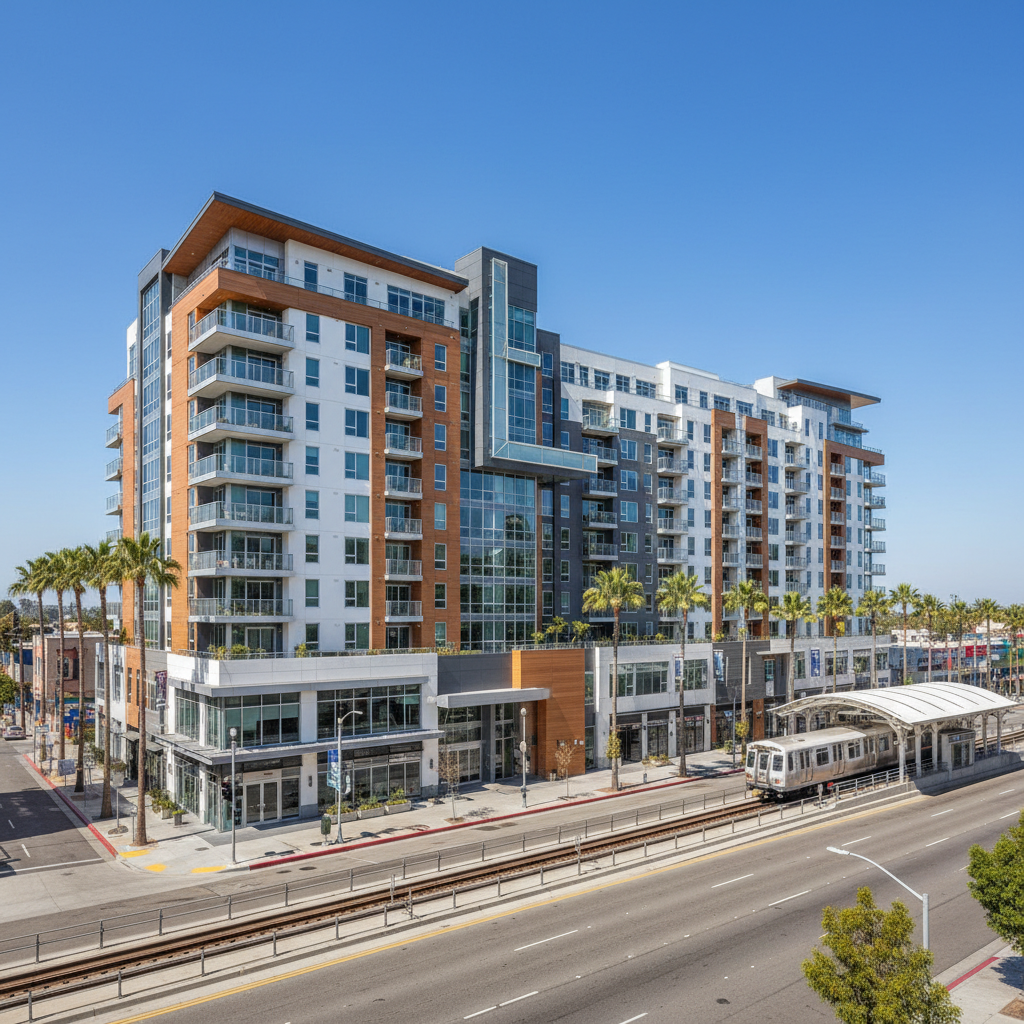
Beyond the Zero-Sum Myth: Reclaiming the Narrative for SoCal Housing
In the current political climate of Southern California, a dangerous narrative has taken hold. From the halls of the Los Angeles City Council to the community forums of the Inland Empire, the relationship between housing providers and residents is increasingly portrayed as a "zero-sum game." This framing suggests that for a landlord to succeed, a tenant must lose, and vice versa. However, this rhetoric obscures a fundamental truth: a healthy housing ecosystem is built on mutual success, not conflict.
Professional property management at McIntire Kingstone doesn’t just involve collecting rent and fixing leaky faucets; it involves managing the most vital infrastructure of our communities. When political rhetoric in Los Angeles and Ventura County characterizes every rent adjustment as an act of aggression, it ignores the soaring costs of property insurance, state-mandated seismic retrofitting, and the rigorous upkeep required to keep California’s aging housing stock habitable. To build a sustainable future, we must move past this friction and toward what we call the Mutuality Manifesto.
The 'Vital Compact': Lessons from Howard Slatkin
Housing policy thought leader Howard Slatkin—whose insights were recently highlighted by Daniel Yukelson of the Apartment Association of Greater Los Angeles (AAGLA)—proposes a concept known as the "Vital Compact." Slatkin argues that the landlord-tenant relationship should not be a battleground but a mutually beneficial agreement. In a properly functioning system, the landlord has a built-in incentive to maintain a pristine environment to protect their asset, and the tenant has an incentive to be a great neighbor to ensure a stable, long-term home.
Implementing the Compact in Southern California
In regions like Orange County and San Diego, where housing remains scarce, the breakdown of this compact leads to over-regulation. When the relationship becomes purely transactional and heavily regulated, the human element—the "relational" aspect—evaporates. To implement the Vital Compact, property owners should focus on:
- Incentivizing Stewardship: Rewarding long-term residents with upgrades (like new appliances or smart thermostats) rather than just meeting the bare legal minimums of habitability.
- Rapid Response Units: Proving the value of the rent through high-speed maintenance. In a compact, the "provider" demonstrates excellence first to earn the "customer’s" loyalty.
- Shared Goals: Emphasizing that high property standards protect the resident’s quality of life and the owner's investment simultaneously.
Transparency as a Bridge: Where the Rent Really Goes
A common misconception among Southern California tenants is that rent checks go directly into a landlord's pocket as pure profit. The reality, as noted by Jon Coupal in recent discussions regarding California’s property tax debates, is that real estate is one of the most heavily taxed forms of wealth in the state. In fact, many Californians view property taxes as a form of "rent paid to the government."
Educating Tenants on Local Impact
Transparency is the most effective tool for dismantling the "greedy landlord" trope. We recommend that Southern California property owners be transparent about the fiscal ecosystem they support. A quarterly newsletter or an annual "Community Impact Statement" can show residents how their housing payments contribute to the local fabric:
- Funding Public Schools: A significant portion of property taxes in Riverside and San Bernardino counties goes directly to local school districts.
- Infrastructure and Safety: Rent funds the taxes that pay for the Los Angeles Fire Department, Orange County Sheriff’s deputies, and the maintenance of local parks like Griffith Park or the OC Great Park.
- The Wealth Tax Reality: As property taxes are essentially a wealth tax on the mere possession of real estate, owners must pay whether the unit is occupied or not. Sharing this reality helps residents understand the high stakes of property ownership in California.
Humanizing the Provider: The Local Economic Engine
Whether you own a single duplex in Long Beach or a mid-sized apartment complex in the Inland Empire, you are a job creator. The narrative often ignores the "small army" of workers supported by every rental property. Daniel Yukelson points out that housing providers are vital economic engines for the state.
Showcasing Your Role as a Local Job Creator
To humanize the provider, owners should highlight the local tradespeople they employ. When a repair happens, it’s not just a maintenance ticket; it’s an investment in a local business. Consider these tactics:
- Introduce Your Vendors: Feature your long-term plumber, electrician, or gardener in community communications. Let residents see that their rent supports the local gardener's family in Santa Ana or the independent electrician in Torrance.
- Local Sourcing: Whenever possible, source materials from local Southern California hardware stores and nurseries. This keeps the economic “multiplier effect” within the local community.
- The Small-Owner Story: Many "landlords" in Southern California are actually families using property as a retirement vehicle or a way to put their children through college. Safely sharing the human story behind the ownership can soften the "faceless corporation" perception.
From 'Regulated' to 'Relational': Practical Communication Tactics
California is one of the most heavily regulated housing markets in the world. Between the California Tenant Protection Act (AB 1482) and local just-cause eviction ordinances in cities like San Diego and Los Angeles, the legal framework is dense. However, relying solely on legal notices to communicate with tenants creates an atmosphere of fear and friction.
The Shift to Relational Management
At McIntire Kingstone, we advocate for a "Relational First" approach to reduce legal friction and foster neighborly stability. Here is how to transition your management style:
1. The Proactive Communication Audit
Don’t let the first time a tenant hears from you be a 3-Day Notice or a Rent Increase notice. Establish a rhythm of positive or neutral touchpoints. Send a "Welcome to Summer" email with local event tips for the Beach Cities or a "Winterization Checklist" for residents in the San Bernardino Mountains.
2. Collaborative Problem Solving
When a tenant falls behind on rent, the "regulated" response is immediate legal action. The "relational" response is a phone call to understand the situation. In many cases, a temporary payment plan or connecting the tenant with local SoCal rental assistance programs is more cost-effective than a protracted legal battle in the Los Angeles Superior Court system.
3. Modernizing the Interface
Friction often comes from inconvenience. Implementing high-tech, user-friendly portals for rent payments and maintenance requests shows respect for the tenant’s time. In the tech-heavy corridors of Irvine and Silicon Beach, residents expect a digital-first experience. Professional management firms provide this bridge, ensuring that the "business" of living is seamless.
The Path Forward: Stability Through Mutual Respect
The SoCal rental market is at a crossroads. We can continue down the path of zero-sum conflict, which results in more litigation, higher turnover, and deteriorating housing quality. Or, we can adopt the Mutuality Manifesto, recognizing that housing providers and residents are parts of a single, vital community.By focusing on transparency, humanizing the economic impact of property ownership, and shifting from a purely regulated mindset to a relational one, we can create a more stable environment for everyone. At McIntire Kingstone, we believe that when the resident thrives, the investment thrives. This isn't just a philosophy; it is the most practical and profitable way to manage real estate in the modern era.
Whether you are navigating the complexities of Los Angeles RSO units or managing a luxury portfolio in Newport Beach, remember that your greatest asset isn't just the building—it's the quality of the relationship within it. By replacing friction with the Vital Compact, we ensure that Southern California remains a place where housing providers can flourish and residents can truly feel at home.
 .5B Bets on the SoCal Rent Silence" class="w-full h-40 object-cover transition-transform duration-300 group-hover:scale-105" loading="lazy"/>