The Great Retail Transformation: An Introduction to 'Mall-Morphosis'
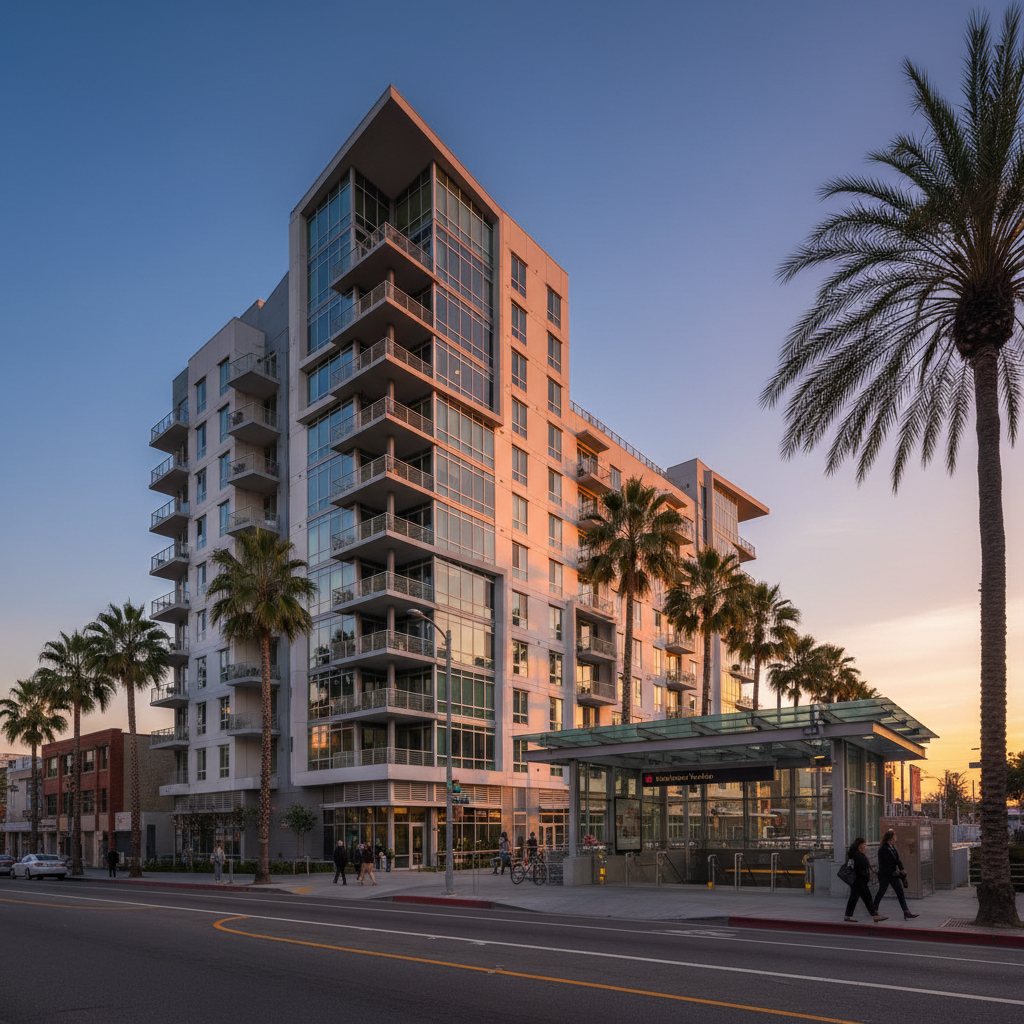
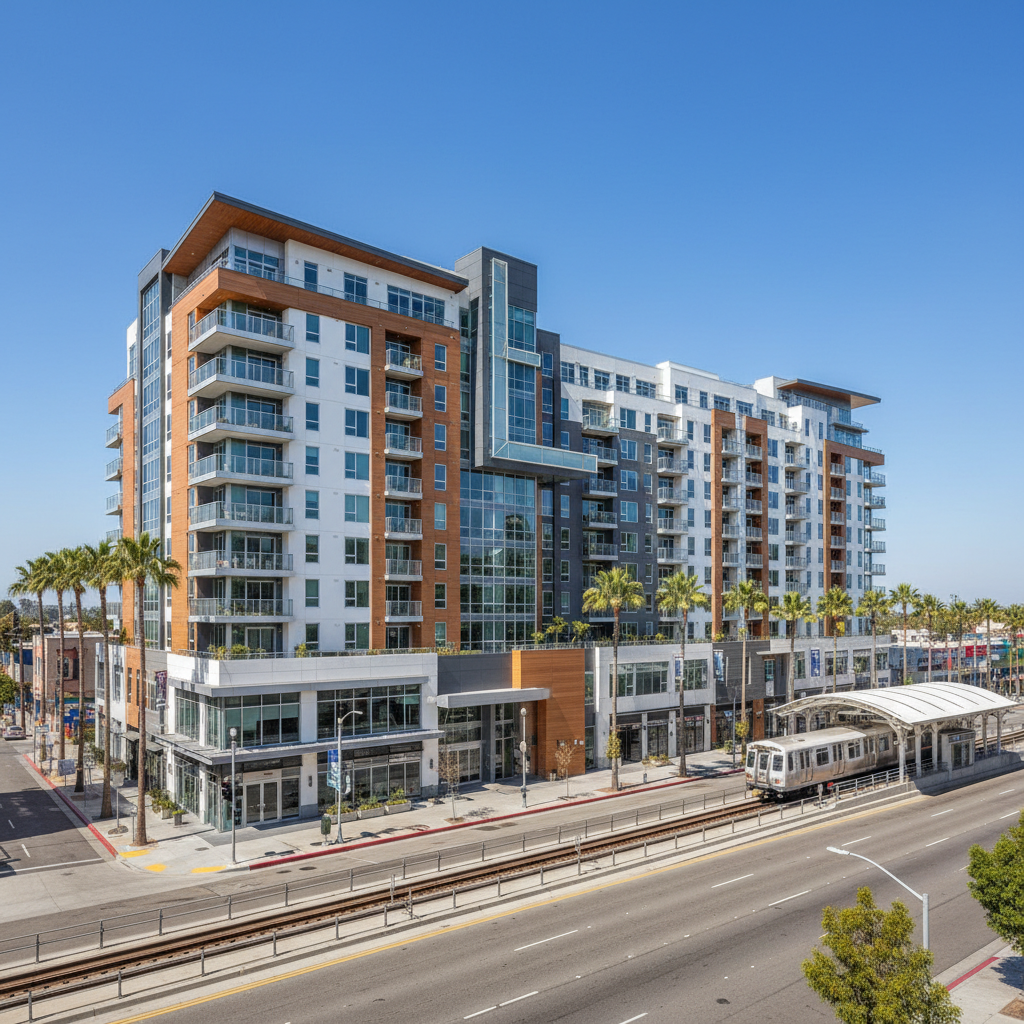
Across Southern California, from the bustling corridors of Orange County to the sprawling landscapes of the Inland Empire, a fundamental shift is occurring in the real estate fabric. The traditional American mall, once a monolithic fortress of retail, is undergoing a radical "morphosis." For property owners and real estate investors, this evolution—dubbed the 'Mall-Morphosis'—represents the single greatest opportunity for value capture in the 2026 market. As vacant department stores make way for high-density multifamily units, medical suites, and tech hubs, we are witnessing the birth of 'Mixed-Use Gravity'—a phenomenon where residential demand is increasingly dictated by proximity to integrated lifestyle centers.
In regions like Los Angeles and Riverside, the pressure on housing has met the decline of traditional brick-and-mortar retail head-on. The result is a new asset class that blends the stability of residential leasing with the vibrancy of commercial ecosystems. McIntire Kingstone is at the forefront of this shift, managing assets that no longer sit in isolation but participate in a broader, symbiotic environment. This article explores the playbook for navigating this transition, focusing on financing trends, legislative safeguards, and operational synergies that define the Southern California landscape today.
The 2026 Financing Landscape: Why Institutional Capital is Betting Big on Place-Making
The financing environment in 2026 has diverged significantly from the traditional subdivision models of the early 2020s. Institutional lenders, including heavyweights like JLL and Affinius Capital, have pivoted their credit appetite toward large-scale 'place-making' projects. A prime example is the recent
The Shift from Sprawl to Synergy
Why are lenders favoring these integrated developments? The answer lies in the mitigation of market vacancy. Traditional suburban developments often struggle with 'amenity lag'—the time it takes for retail and services to catch up to residential growth. In a Mall-Morphosis project, the amenities are already there. Lenders view the proximity to established retail as a 'resident magnet' that ensures rapid lease-up periods and sustained occupancy rates.
Institutional Confidence in Southern California
For investors in Orange County and San Diego, this institutional backing provides a blueprint. Financing is no longer just about the dirt and the wood; it’s about the connectivity. Projects that can demonstrate a 'walkability score' rooted in commercial integration are receiving more favorable interest rates and higher loan-to-cost (LTC) ratios. This capital influx is transforming areas like Costa Mesa and Mission Valley into high-density urban villages that resemble European city centers more than traditional American suburbs.
Navigating the 'MainPlace Effect': Enhancing Retention and Lease Rates
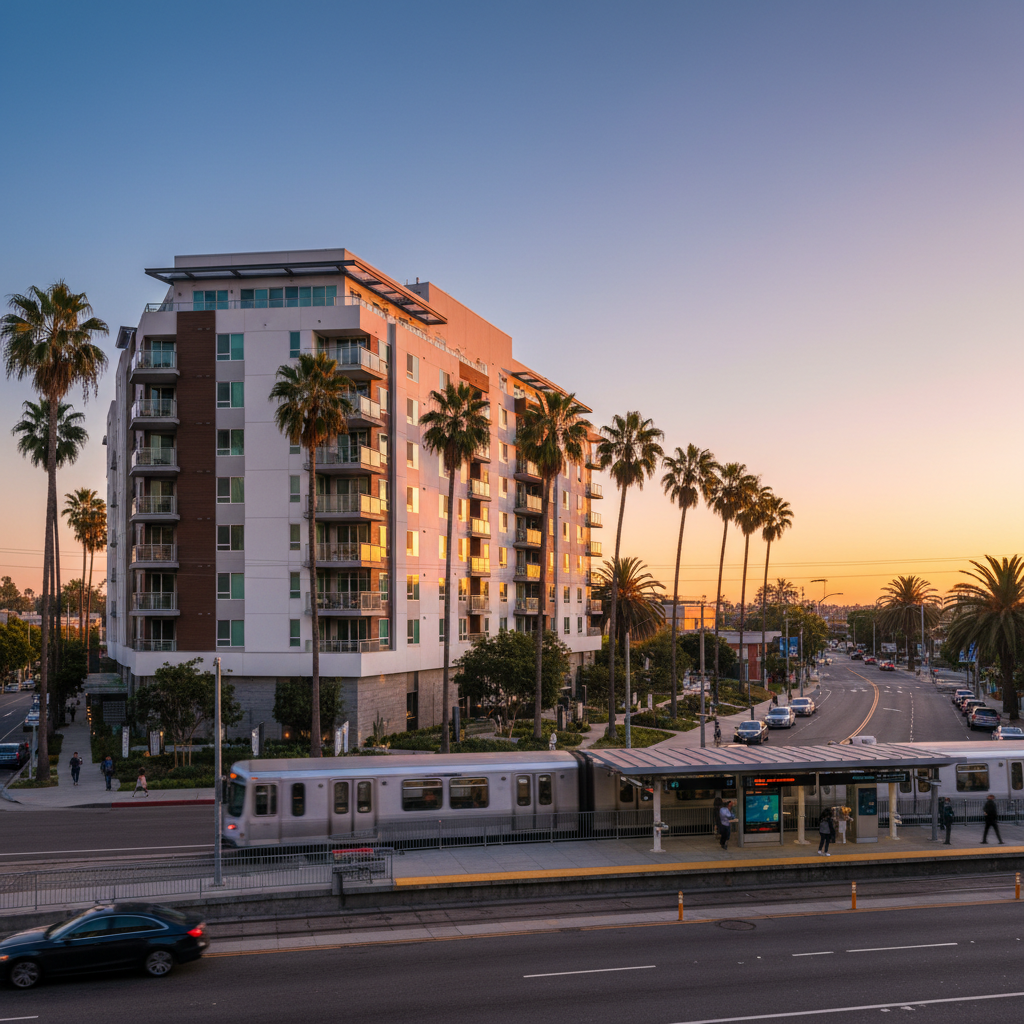
In the Southern California rental market, the 'MainPlace Effect' has become a benchmark for success. This term refers to the measurable premium in lease rates and the notable increase in tenant retention seen in properties that share a footprint with major retail hubs. When a tenant can walk from their front door to a premium fitness center, a high-end grocery store, or a curated dining district, the 'stickiness' of that tenant increases exponentially.
The Statistics of Convenience
Our internal data at McIntire Kingstone suggests that properties within a 0.5-mile radius of integrated retail hubs in Los Angeles and the Inland Empire command a 12% to 18% premium over comparable stand-alone assets. More importantly, tenant turnover—a major cost for any landlord—is significantly lower. In 2026, the modern Southern California tenant isn't just renting an apartment; they are renting a lifestyle that prioritizes time-saving convenience.
Actionable Advice for Owners:
- Audit Your Surrounding Amenities: Even if your property isn't a massive redevelopment, highlight your proximity to local retail 'anchors' in all marketing collateral.
- Partner with Local Businesses: Establish exclusive discounts or 'VIP access' for your tenants at nearby shops to create a localized sense of community.
- Optimize Package Management: Mixed-use living increases delivery volume. Investing in smart locker systems is no longer optional; it is a necessity for retaining high-value tenants in these hubs.
Risk Mitigation: Buffering Against Legislative Volatility
The California legislative environment remains a complex landscape for property owners. As of April 2026, several initiatives and bills are reshaping the risk profile of real estate investments. For example, SB 1243, introduced by State Sen. María Elena Durazo, proposes a one-year pause on eviction proceedings for individuals economically impacted by immigration enforcement. While the goal is community stability, it adds a layer of uncertainty for traditional residential landlords.
Diversified Tenant Profiles as a Shield
High-density, mixed-use developments provide a structural buffer against these localized legislative shifts. By diversifying the tenant profile—combining workforce housing, luxury units, and commercial leases—owners can offset the risks associated with any single regulatory change. Mixed-use assets often fall under different zoning and tax classifications, providing a more resilient cash flow model when residential-only regulations tighten.
The Battle Over Taxes and Proposition 13
Efforts like the 'Local Taxpayer Protection Act' are currently in the signature-gathering phase to protect the core tenets of Proposition 13. Conversely, proposals for 'Wealth Taxes' from organizations like the UHW union threaten to increase the cost of holding large assets. Real estate investors in Southern California must stay vigilant. Participating in associations like the Apartment Association of Greater Los Angeles (AAGLA) is critical for advocacy, but the strategic move is to invest in high-density models that maximize land value and provide the revenue needed to absorb potential tax hikes.
Operational Synergy: Managing Shared Infrastructure
Managing a multifamily asset that shares a footprint with commercial retail requires a specialized approach. At McIntire Kingstone, we emphasize 'Operational Synergy'—the art of reducing overhead by streamlining the management of shared resources.
Shared Maintenance and Utilities
One of the primary advantages of the Mall-Morphosis model is the ability to share the burden of infrastructure costs. From HVAC systems to security patrols, mixed-use assets allow for economies of scale. For instance, a security team patrolling a retail promenade can also provide oversight for the adjacent residential lobby, reducing the per-unit cost of safety for the landlord.
The Challenges of 'Co-habitation'
However, this synergy requires careful navigation of Easements and Covenants, Conditions, and Restrictions (CC&Rs). Noise complaints from late-night dining or parking disputes between shoppers and residents can erode value if not managed proactively. Professional property management in this space involves creating clear 'zones' of usage and utilizing technology—such as geofenced parking apps—to ensure smooth operations for all stakeholders.
Infrastructure as a Magnet: Leveraging Existing Frameworks
One of the most overlooked benefits of mall redevelopment is the existing infrastructure. Unlike greenfield developments in the outskirts of San Bernardino or Riverside, mall sites are already serviced by high-capacity power, water, and—most importantly—transportation frameworks.
Transportation and Parking ROI
Most Southern California malls were built near major freeway interchanges (such as the I-5, I-405, or the 215) and are often designated transit hubs for local bus and light rail systems. For a developer, the ability to repurpose massive parking structures into residential parking or even 'last-mile' delivery hubs represents a massive ROI booster. In cities like Los Angeles, where the cost of building underground parking can exceed $50,000 per stall, leveraging an existing mall garage is a financial game-changer.
The Environmental Impact
Furthermore, the adaptive reuse of these sites aligns with California's stringent environmental goals. By building residential units on existing paved surfaces rather than developing new land, owners can often navigate the CEQA (California Environmental Quality Act) process more efficiently. This not only speeds up the time to market but also appeals to the eco-conscious demographic that dominates the Southern California rental market in 2026.
Summary: The Path Forward for SoCal Investors
The shift toward 'Mixed-Use Gravity' is not a passing trend; it is the fundamental restructuring of how we live and work in the Golden State. For owners in Orange County, San Diego, and the Inland Empire, the playbook is clear: value is found at the intersection of residential stability and commercial energy. By understanding the financing pivot toward place-making, leveraging the 'MainPlace Effect' for retention, and shielding investments through diversified density, you can secure your portfolio against both market and legislative volatility.
At McIntire Kingstone, we specialize in the management of these complex, high-value assets. Whether you are looking to revitalize an existing property near a retail hub or seeking to understand the implications of new eviction legislation like SB 1243, our team provides the local expertise needed to thrive in California's unique real estate ecosystem. The mall is not dying; it is being reborn, and the investors who adapt to this morphosis will lead the market for decades to come.
MK Property Management
The McIntire Kingstone team brings decades of combined experience in property management, real estate investment, and tenant relations.
 .5B Bets on the SoCal Rent Silence" class="w-full h-40 object-cover transition-transform duration-300 group-hover:scale-105" loading="lazy"/>