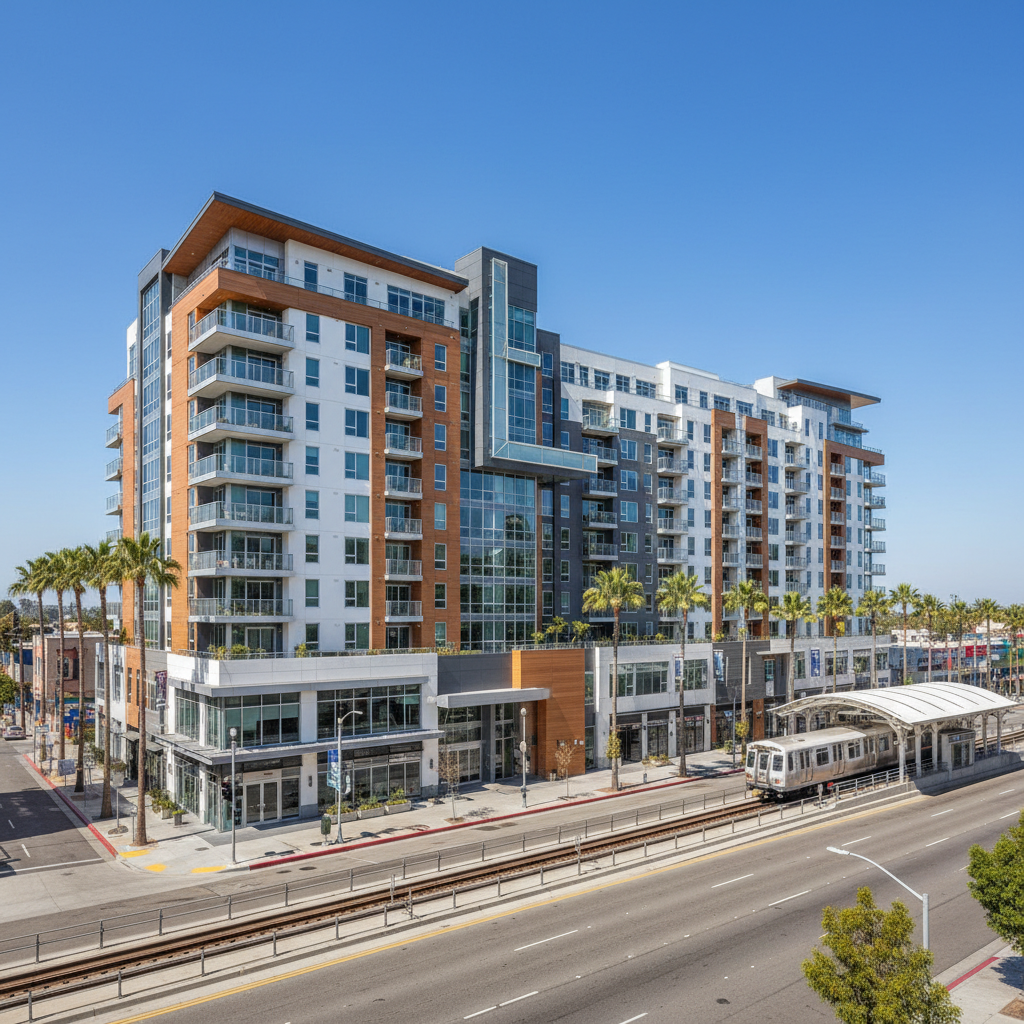
Defending Your Southern California Property Value in the 2026 Tax Landscape
As we navigate the first quarter of 2026, Southern California property owners find themselves caught in the middle of a shifting national narrative. From the high-rises of Downtown Los Angeles to the sprawl of the Inland Empire, a new "wealth tax" rhetoric is beginning to influence how local municipalities and state legislators view real estate holdings. Property taxes, by their very nature, are a form of wealth tax—levied not on a transaction, but on the mere possession of an asset on a specific date. For investors and landlords in regions like Orange County, San Diego, and Riverside, understanding how to defend your property’s valuation is no longer just a financial strategy; it is a necessity for survival in a highly regulated market.
At McIntire Kingstone, we recognize that the current climate is challenging. With voices like Daniel Yukelson of the Apartment Association of Greater Los Angeles (AAGLA) warning that undermining housing providers threatens the stability of the entire rental market, it is vital for owners to be proactive. This guide provides a comprehensive "Lien-Date Litmus Test" to help you navigate the 2026 tax season, challenge unfair assessments, and ensure your property is valued accurately based on its true economic condition, not a politically driven narrative.
1. The Janus-Faced January 1st: Master the Lien Date Documentation
In California, January 1st is the "lien date." This is the single most important day of the year for your property tax bill. It is the snapshot in time that determines the assessed value of your property for the upcoming fiscal year. However, this date is "Janus-faced"—it can either be your greatest ally or your most expensive enemy, depending on how you document your property’s condition on that specific day.
Capturing the Reality of Your Asset
To defend against an overvaluation in 2026, you must replace the assessor’s assumptions with hard data. If your property in San Bernardino or Riverside suffered from deferred maintenance, vacancy, or structural issues on January 1st, that reality must be reflected in your assessment. We recommend a "Lien Date Audit" every December. This should include:
- Time-Stamped Photography: Comprehensive photos showing the state of the roof, HVAC systems, and common areas.
- Maintenance Logs: Documentation of any outstanding repairs or "red-tagged" units that were uninhabitable as of the lien date.
- Market Rent Comparison: Evidence of the actual achievable rent versus the "market rent" the assessor might be using.
By documenting these factors on or around January 1st, you create a legal paper trail that is difficult for the County Assessor to ignore during an appeal. Remember, the assessor is often looking at your property through a lens of "highest and best use," but legal reality often dictates otherwise.
2. The Intersection of AB 1482 and Property Taxes: Why Rent Caps Lower Value
A critical oversight in many tax assessments is the failure to account for the restrictive impact of California's Assembly Bill 1482 (the Tenant Protection Act of 2019). This law mandates statewide rent caps and "just cause" eviction protections. While often discussed in the context of tenant relations, AB 1482 has a direct, quantifiable impact on the fair market value of your asset.
The Income Approach to Valuation
For most commercial and multi-family properties in Los Angeles and the Inland Empire, the "Income Approach" is the gold standard for valuation. This method values a property based on the Net Operating Income (NOI) it can generate. When the state mandates that your rent increases cannot exceed 5% plus the local CPI (capped at 10% total), they have effectively placed a ceiling on the growth of your asset’s value.
When defending your assessment, your argument should be clear: If the state limits my income, it must also recognize a limit on my property's value. You cannot be taxed on a "potential" market value that the law prevents you from ever achieving. Owners in cities like Long Beach or Santa Monica, which may have even stricter local rent control ordinances, should leverage these legal constraints during assessment appeals. A property that cannot achieve market-rate increases because of government intervention is worth less on the open market than a comparable unencumbered property.
3. Decoding the 'Property Tax Revolt' of 2026: California vs. The Nation
2026 has seen a national surge in "property tax revolts," with states like Florida and North Dakota exploring the total abolition of property taxes. However, Southern California owners must be careful not to conflate these movements with the reality of the Golden State. As Jon Coupal of the Howard Jarvis Taxpayers Association notes, property taxes in California fund vital services, but they are increasingly viewed by progressives as a tool for wealth redistribution.
Distinguishing Local Operations from National Models
Florida’s model relies on different revenue streams, such as high sales taxes and state-specific fees. In contrast, the Southern California rental market is heavily reliant on the property tax system to fund local schools and infrastructure. To defend your assessment, you must distinguish your operation as a business rather than a mere accumulation of wealth.
Highlight the "Economic Contribution" of your property. This includes:
- The number of local vendors, contractors, and maintenance staff your property supports.
- The specific dollar amount of your property taxes that goes directly to local school districts (e.g., LA Unified or San Diego Unified).
- The role of your property in providing "naturally occurring affordable housing" (NOAH) which helps the city meet its RHNA (Regional Housing Needs Allocation) goals.
By framing your property as an essential economic engine—as Daniel Yukelson advocates—you move a board of appeals away from the "wealthy landlord" narrative and toward a pragmatic discussion about business viability.
4. Legal Strategies for Assessment Appeals: Leveraging Data
If you believe your 2026 assessment is too high, you have the right to file an Application for Changed Assessment. In Los Angeles County, the filing window typically opens in July. To win, you need more than just a complaint; you need a legal strategy rooted in economic data.
The 'Economic Contribution' Defense
One of the most effective strategies is to demonstrate how rising operational costs have compressed your margins. Property owners in 2026 are facing a "triple threat": higher insurance premiums, increased utility costs, and mandated seismic retrofitting or electrification requirements.
When you present your case to the Assessment Appeals Board, bring a multi-year P&L statement that shows the widening gap between your gross income (stifled by AB 1482) and your operating expenses. If your expenses are growing at 8% but your income is capped at 5%, the capitalized value of your property has objectively decreased. This is not just a plea for sympathy; it is a fundamental principle of real estate appraisal that many assessors ignore unless challenged.
Utilizing Comparable Sales Carefully
In a volatile market like 2026, be wary of the "comps" used by the county. Ensure they aren't using pre-inflationary sales or properties that were sold as part of a 1031 exchange, which can sometimes result in inflated purchase prices that don't reflect true market value for a standard investor.
5. The Burden of Progress: Impact Fees and Permitting Costs
Finally, property owners in areas like Wildomar, Temecula, and other developing Inland Empire cities are feeling the sting of skyrocketing "impact fees" and permitting costs. These fees, intended to fund everything from parks to sewers, can add tens of thousands of dollars to the cost of maintaining or improving a property.
Taxable vs. Non-Taxable Improvements
It is a common mistake for assessors to include the cost of these impact fees in the new taxable value of a property after a renovation or addition. However, many of these fees do not actually add to the market value of the physical structure. If you spent $50,000 on permits and impact fees just to satisfy a local ordinance in San Diego, that $50,000 hasn't necessarily increased what a buyer would pay for the building.
When you undergo significant capital improvements, distinguish between:
- Value-Add Improvements: Adding a unit or upgrading interiors to premium finishes.
- Compliance Costs: Impact fees, LEED certification mandates, and fire safety upgrades that are legally required but don't increase the square footage or income potential of the site.
Work with your property management team at McIntire Kingstone to bifurcate these costs in your accounting. When the assessor comes knocking, you can argue that a significant portion of your investment was "dead cost" used for regulatory compliance, which should be excluded from the new base year value.
Conclusion: Proactive Management is Your Best Defense
The 2026 "wealth narrative" in California may be intimidating, but the law still provides protections for property owners who are diligent and data-driven. By mastering the lien-date documentation, understanding the valuation impacts of AB 1482, and aggressively challenging assessments that ignore the reality of rising operating costs, you can protect your investment’s bottom line.
At McIntire Kingstone, we specialize in navigating these complex legal and fiscal landscapes for our clients in Los Angeles, Orange County, and beyond. Protecting your property value starts with a management partner who understands the intersection of state law and local market conditions. Don't let your 2026 tax bill be determined by a narrative; let it be determined by the facts.
Contact McIntire Kingstone today for a comprehensive review of your property portfolio and to ensure your assets are positioned for maximum efficiency in the 2026 tax year.
 .5B Bets on the SoCal Rent Silence" class="w-full h-40 object-cover transition-transform duration-300 group-hover:scale-105" loading="lazy"/>