The 2026 Shift: From Centralized Authority to Mobile Expertise
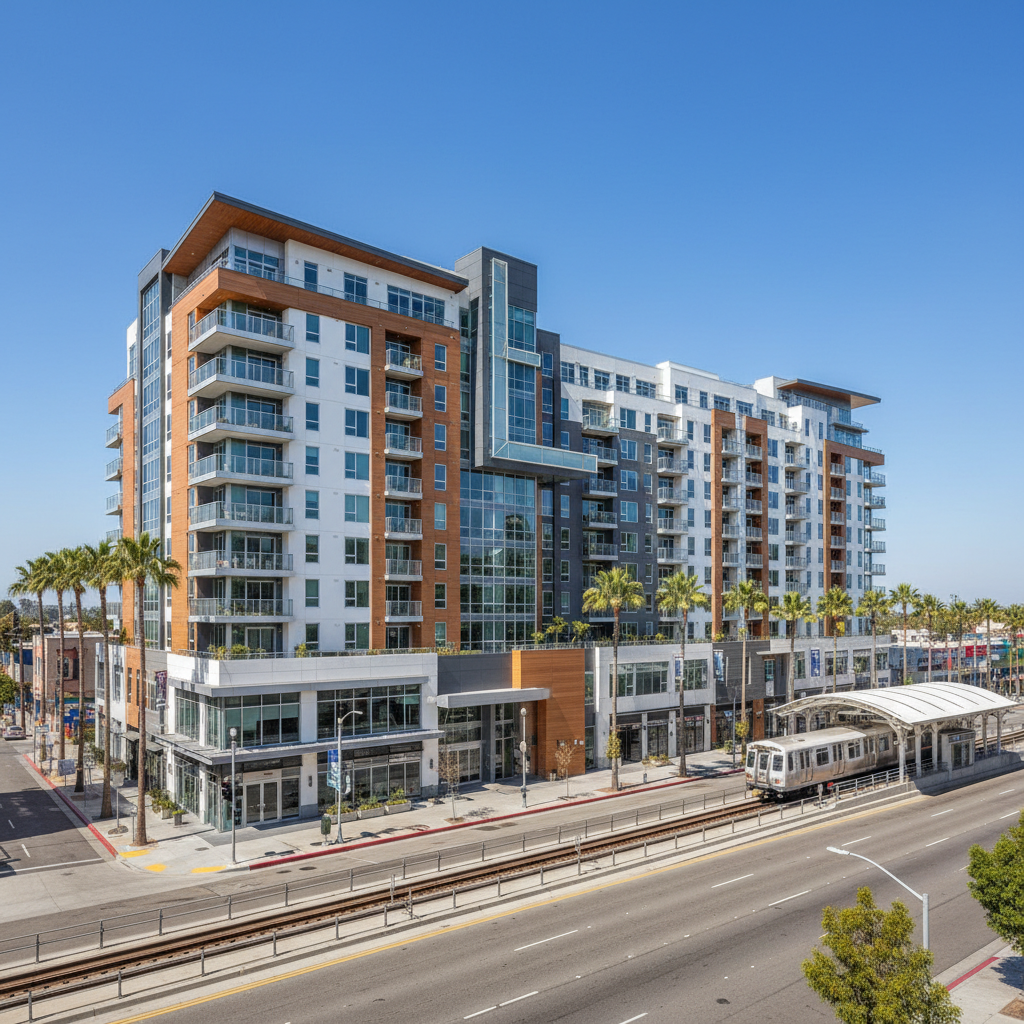
For decades, the hallmark of a prestigious property management firm in Southern California was a glass-walled office in a high-rise in Downtown Los Angeles or a storefront in Newport Beach. Property owners viewed these physical assets as signs of stability and professional scale. However, as we move through 2026, a radical shift has reached its tipping point. The "Legacy Lobby" model—burdened by high commercial rents and centralized administrative staff—is being rapidly replaced by the "Invisible Concierge" model: hyper-fluid field teams that exist where the properties are, not where the corporate signage is.
In Southern California’s diverse landscape—from the sun-scorched luxury rentals of Palm Springs to the high-density multifamily units in the Inland Empire and the exclusive coastal retreats of San Diego—proximity is the new prestige. Modern real estate investors have realized that a manager sitting in a corporate office thirty miles away cannot respond to a burst pipe or a guest lockout in a mountain community like Big Bear with the speed or nuances required in today’s high-stakes market. We are seeing a transition toward mobile expertise, where the value is placed on the "boots on the ground" rather than the square footage of the manager’s headquarters.
Eliminating the 'Office Tax' for Coastal and Mountain Markets
One of the most significant advantages for Southern California property owners in 2026 is the elimination of the "Office Tax." In cities like Santa Monica, Irvine, or San Diego, commercial real estate costs are among the highest in the nation. Traditional property management firms must bake these overhead costs into their management fees. By moving to a fully remote operational model, forward-thinking firms are redirecting that capital back to the owner and the property itself.
Investing in Higher-Tier Local Specialists
When a management company stops paying
Redefining 'Professionalism'
Professionalism in 2026 is no longer measured by a firm’s business card or office decor. It is measured by digital responsiveness, property uptime, and the technical proficiency of the person standing at the property’s front door. For a landlord in Riverside or San Bernardino, a manager who can conduct a digital move-out inspection and trigger a cleaning crew via a mobile dispatch system within minutes is far more valuable than a manager with a prestigious office address in a different county.
Supply-Direct Logistics: Reducing Maintenance Downtime
Efficiency in property management often comes down to the supply chain. Traditional models involved a central warehouse or an office closet where supplies were kept, requiring technicians to drive across Southern California traffic—potentially losing two hours on the 405 or the 91—just to pick up a specialized air filter or smart lock. The hyper-fluid model utilizes supply-direct logistics.
The Death of the Central Warehouse
Leading firms, such as Navigate Stays, have pioneered a system where supplies are shipped directly to local teams or even staged in secure lockers near the property clusters. This hyper-local inventory management ensures that high-turnover items for short-term rentals (STRs) in areas like West Hollywood or Venice Beach are always within a five-mile radius. This reduces the time a property sits "offline" due to maintenance, which is critical in a market where a single weekend of vacancy in a beach community can cost an owner thousands in lost revenue.
Vendor Partnerships and On-Demand Services
The fluid model also leverages a wider network of vetted, local independent contractors. Instead of relying on a single in-house handyman who may be overextended, these mobile-first managers utilize tech-integrated platforms to dispatch the closest qualified specialist. In high-density regions like the Inland Empire, this agility allows for faster response times to emergency repairs, helping landlords comply with California’s strict habitability laws and the "repair and deduct" rights afforded to tenants under California Civil Code Section 1941.1.
Why Southern California Owners Value Local Knowledge Over Corporate Branding
The Southern California real estate market is notoriously fragmented. Moving from the micro-climate of the South Bay to the valleys of Riverside requires an entirely different approach to property maintenance and tenant relations. Owners have begun to distrust monolithic corporate branding that promises a "uniform experience" across significantly different regions.
Navigating Local Ordinances
California is a patchwork of local regulations. A property owner in Los Angeles must navigate the complexities of the City of Los Angeles Rent Stabilization Ordinance (RSO), while an owner in San Diego deals with different local short-term rental permit caps and the Tenant Protection Act of 2019 (AB 1482). A centralized, out-of-market manager often lacks the granular knowledge of these local nuances. Hyper-fluid field teams are composed of people who live and work in these specific jurisdictions. They are the first to know when a Newport Beach city council meeting considers new noise ordinances or when a mountain community updates its fire clearance requirements. This local intelligence is a shield against litigation and municipal fines.
The Human Element in Tenant Relations
Whether managing a luxury Airbnb in Joshua Tree or a multi-unit building in Long Beach, the human element remains vital. Renters and guests want to feel that there is someone nearby who cares. A "remote" manager who only exists as an 800-number feels dismissive to a tenant dealing with a leak. Conversely, a field-based manager who can be on-site within 30 minutes creates a sense of security that fosters long-term tenant retention and better guest reviews.
The Financial Ripple Effect: Inflating Owner Net Yields
Ultimately, the move toward lean, mobile operations is driven by the bottom line. Property management is often a game of margins, and in a state with high taxes and rising insurance premiums, Southern California owners are looking for every possible efficiency to protect their Return on Investment (ROI).
Reduced Management Fees
As noted by industry leaders like Giovanni Marsh at Navigate Stays, by removing fixed costs like office rent, management firms can pass these savings directly to the property owner. It is not uncommon to see management fees drop from the traditional 10-15% down to significantly lower points for long-term rentals, or competitive tiered structures for short-term rentals, without any loss in service quality. For a portfolio of units in Orange County, a 2% reduction in management fees can equate to thousands of dollars in annual profit.
Increased Asset Appreciation through Proactive Care
A mobile team that is constantly "in the field" is more likely to spot small issues before they become catastrophic expenses. This is particularly relevant in Southern California’s coastal zones, where salt air can destroy a beachfront balcony’s structural integrity over just a few years. Proactive, local eyes on the property ensure that maintenance is preventative rather than reactive, extending the life of major systems like roofs and HVAC units. This directly impacts the property’s valuation should the owner decide to sell or refinance.
Actionable Advice for Southern California Property Owners
If you are an owner or investor looking to modernize your management strategy, consider the following steps:
- Evaluate the "Office Value": Ask your current management company how often they actually host meetings in their physical office. If the answer is "never," ask why you are paying a fee that subsidizes that rent.
- Verify Local Response Times: Don't just take their word for it. Inquire about the physical location of the field agent assigned to your specific ZIP code. Ideally, they should be within a 20-30 minute drive.
- Review Supply Chain Processes: Ask how parts and supplies are managed. A company using supply-direct logistics will likely have lower maintenance administrative fees and faster turnaround times.
- Insist on Specialized Knowledge: Ensure your manager understands the specific local ordinances for your city. For example, if you own in Long Beach, your manager should be intimately familiar with the Long Beach Tenant Protection Act.
Final Thoughts: The Future is Fluid
The era of the "Legacy Lobby" is coming to a close. For real estate investors in Southern California, the priority has shifted toward agility, local expertise, and cost-efficiency. By embracing hyper-fluid field teams, owners can enjoy higher net yields while ensuring their properties receive the specialized, proactive care required in today’s competitive market. The "Invisible Concierge" may not have a corner office, but they are the key to unlocking the full potential of your real estate portfolio.
MK Property Management
The McIntire Kingstone team brings decades of combined experience in property management, real estate investment, and tenant relations.
 .5B Bets on the SoCal Rent Silence" class="w-full h-40 object-cover transition-transform duration-300 group-hover:scale-105" loading="lazy"/>