The High-Thread-Count Lease: Curating Hospitality-Level Logistics for SoCal’s Executive Influx
As we navigate the first quarter of 2026, the Southern California rental landscape is witnessing a sophisticated evolution. While national data from the Dwellsy IQ 1Q 2026 Rental Housing Index suggests a stabilization—and in some sectors, a slight decline—of standard apartment rents due to increased supply, a specific niche is bucking the trend: the high-end, executive corporate rental. In regions like Los Angeles, Orange County, and San Diego, the demand for "managed home-away-from-home" environments has reached a fever pitch.
At McIntire Kingstone, we are seeing a distinct shift in how high-net-worth professionals, tech consultants, and entertainment executives view housing. They are no longer satisfied with the sterile anonymity of a five-star hotel for their three-to-six-month stays. Instead, they are seeking "The High-Thread-Count Lease"—a residential experience that mirrors the white-glove service of luxury hospitality while providing the privacy and soul of a local SoCal neighborhood. For property owners in the Inland Empire, Riverside, and the coastal hubs, this represents a significant opportunity to maximize yield despite broader market fluctuations.
Analyzing the Shift: Why Executives are Choosing Managed Homes Over Hotels
In 2026, the definition of professional luxury has moved from "service on demand" to "seamless integration." The modern executive traveler—whether they are overseeing a tech merger in Irvine or a production in the North Hollywood Arts District—is looking for a space that supports a holistic lifestyle. The hotel fatigue of the early 2020s has solidified into a preference for curated residential living.
The Privacy Premium
High-profile tenants in Southern California increasingly prioritize discretion. Unlike hotel lobbies where their movements are observed, a managed residential property offers private entrances and localized living. This is particularly relevant for the entertainment industry influx in areas like NoHo and Burbank, where privacy is a currency of its own. By opting for a corporate-managed home, executives avoid the "tourist feel" and instantly integrate into the local fabric.
Customization and Control
Luxury hotels, while opulent, are standardized. The new wave of executive tenants wants a kitchen that can accommodate a private chef, a home office with hard-wired fiber optics, and the ability to host small, professional gatherings in a private setting. This "residential-first" mindset allows them to maintain their wellness routines and professional standards without the limitations of a hospitality suite.
The Infrastructure of Convenience: Essential Tech and Housekeeping Integrations
To justify the premium rates associated with the executive market, property owners must look beyond basic property management and move toward hospitality logistics. In 2026, the amenities that were once considered "extra" are now baseline requirements for what we call the "Blue Chip" tenant.
Smart Property Ecosystems
Your property must function with technical precision. This includes:
- Enterprise-Grade Connectivity: Standard Wi-Fi is no longer sufficient. Executive units require redundant internet connections (fiber with a 5G backup) and Wi-Fi 7 mesh systems to handle 8K video conferencing and high-speed data transfers.
- Contactless Access & Security: Integration of Schlage or Latch smart locks with unique, time-sensitive codes for cleaning crews and delivery services. High-definition perimeter security (like Ring or Nest) is a mandatory safety feature for high-profile occupants.
- IoT Climate and Lighting: Smart thermostats like Ecobee and Lutron lighting systems that allow tenants to set "scenes" for work or relaxation increase the perceived value of the lease.
Integrated Maintenance and Housekeeping
At McIntire Kingstone, we recommend a "Hospitality Layer" for executive leases. This involves pre-vetting high-end cleaning services that understand the specific needs of luxury units—using non-toxic, eco-friendly products and following a 50-point checklist that includes laundering high-thread-count linens to a hotel standard. This isn't just a perk; it is an asset protection strategy. Regular professional cleaning allows property managers to keep a constant eye on the property’s condition, catching minor maintenance issues before they become costly repairs.
Vetting for the 'Blue Chip' Tenant: Advanced Screening Strategies
Managing short-to-mid-term executive rentals requires a different screening lens than traditional 12-month leases. While California’s Fair Housing laws apply strictly, the screening process for corporate-status tenants requires checking for professional stability and institutional backing.
Institutional vs. Individual Leases
Often, these leases are signed by a corporation rather than the individual occupant. While this provides a layer of financial security, it adds complexity to the vetting process. Property owners should ensure the corporate entity is in good standing with the California Secretary of State and that the lease includes an "Authorized Occupant" clause, ensuring that while the company pays, the specific individual residing there is also background-checked to the fullest extent allowed by law (referencing SB 267 regarding credit history and subsidized tenants, though usually less of an issue in the executive luxury tier).
Verifying the 'Professional Footprint'
For mid-term rentals (30–90 days), we look for a "Professional Footprint." This involves verifying the project length or employment contract that is bringing the executive to Southern California. Whether it is a visiting surgeon at Loma Linda University Medical Center in Riverside or a creative director at a studio in Los Angeles, matching the lease term to the professional commitment reduces the risk of early vacancy.
Neighborhood as an Amenity: Leveraging Local Culture
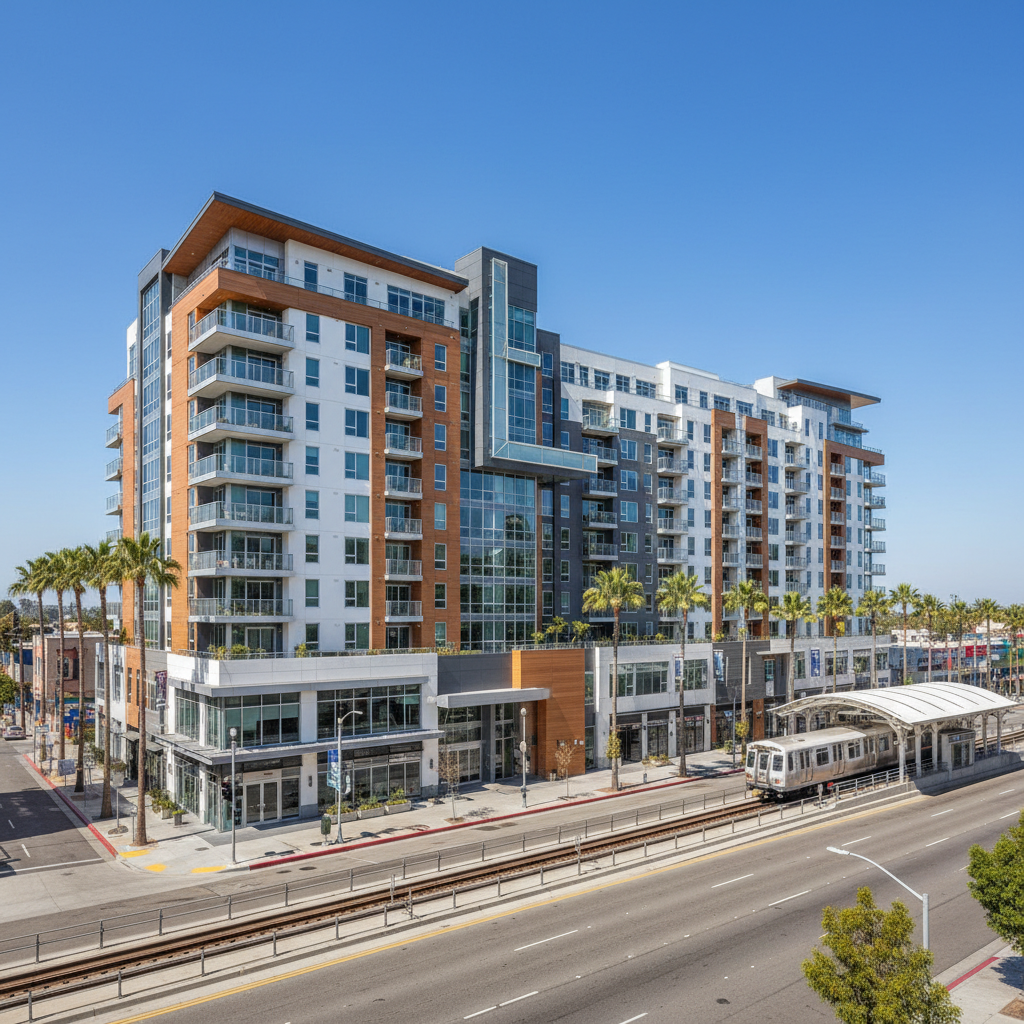
One of the most effective ways to command premium rates in a stabilizing market is to sell the neighborhood as much as the property. A prime example is the North Hollywood Arts District (NoHo). Recent highlights from industry leaders like Key Housing have designated locations like "Living at NoHo" as top-tier because they offer more than just a roof; they offer a lifestyle.
The 'Epicurean and Arts' Factor
Executive tenants are often looking for the "true LA foodie experience" or immediate access to culture. In NoHo, this means highlighting proximity to artisan cafes, cutting-edge galleries, and the high-energy theater scene. When marketing properties in areas like the Inland Empire or Orange County, we focus on similar "micro-hubs":
- Orange County: Focus on the walkability to the Lab Anti-Mall or the culinary excellence of the Anaheim Packing District.
- San Diego: Leverage the proximity to the Gaslamp Quarter’s nightlife or the sophisticated quiet of La Jolla’s art scene.
- Inland Empire: Highlight the burgeoning "farm-to-table" movements and proximity to high-end golf and mountain retreats in the San Bernardino foothills.
By positioning a property as the gateway to these niche cultural experiences, owners can justify rates that are 20-30% higher than the local average for traditional long-term rentals.
Operational Agility: Managing Higher Turnover Without Sacrificing Quality
The executive rental model thrives on 3-month to 6-month cycles. While this increases potential revenue, it also increases operational wear and tear. Success in this sector requires Operational Agility—the ability to turn a property over in 24 to 48 hours without a dip in quality.
The 'Property Audit' Workflow
In Southern California, landlord-tenant laws are strict regarding security deposits and property conditions (referencing AB 12, which limits security deposits to one month's rent as of July 2024). To protect the owner’s investment, McIntire Kingstone utilizes high-definition video walkthroughs before and after every executive stay. This photographic evidence is crucial for maintaining the property's "Blue Chip" status and ensuring that any damage beyond normal wear and tear is documented and addressed immediately.
Inventory Management
A hospitality-level lease includes furniture, housewares, and decor. Professional property management for this asset class must include an inventory management system. We track everything from the Dyson vacuum to the Nespresso machine. Every turnover includes a "restocking" protocol ensuring that the next executive walks into a kitchen stocked with essentials and a home that feels brand new. This level of detail is what keeps corporate relocation firms coming back to the same properties year after year.
The Importance of Local Expertise
Navigating the executive rental market in Southern California requires a deep understanding of local ordinances. For instance, Los Angeles has specific short-term rental (STR) ordinances that may limit rentals of less than 30 days unless the property is the owner's primary residence. However, the executive market typically focuses on 30+ day stays, which often bypasses the strictest STR regulations while still providing higher yields than traditional yearly leases.
Furthermore, understanding the California Tenant Protection Act (AB 1482) is vital. Even with executive tenants, knowing when rent caps apply and maintaining impeccable "Just Cause" documentation is essential for risk mitigation. Professional management ensures that your "High-Thread-Count" strategy remains compliant with the ever-evolving California legislative landscape.
Conclusion: Elevating Your Investment with McIntire Kingstone
The shift toward executive-level hospitality in the residential sector is more than a trend; it is a permanent change in how high-value professionals consume real estate. By integrating high-end tech, white-glove maintenance, and leveraging the unique cultural highlights of Southern California neighborhoods—from the North Hollywood Arts District to the coastal enclaves of San Diego—property owners can secure resilient, high-yield returns.
At McIntire Kingstone, we specialize in bridging the gap between traditional property management and luxury hospitality. If you own a property in Southern California and are looking to pivot toward the executive market, our team has the local expertise and operational infrastructure to ensure your investment thrives in 2026 and beyond.
 .5B Bets on the SoCal Rent Silence" class="w-full h-40 object-cover transition-transform duration-300 group-hover:scale-105" loading="lazy"/>