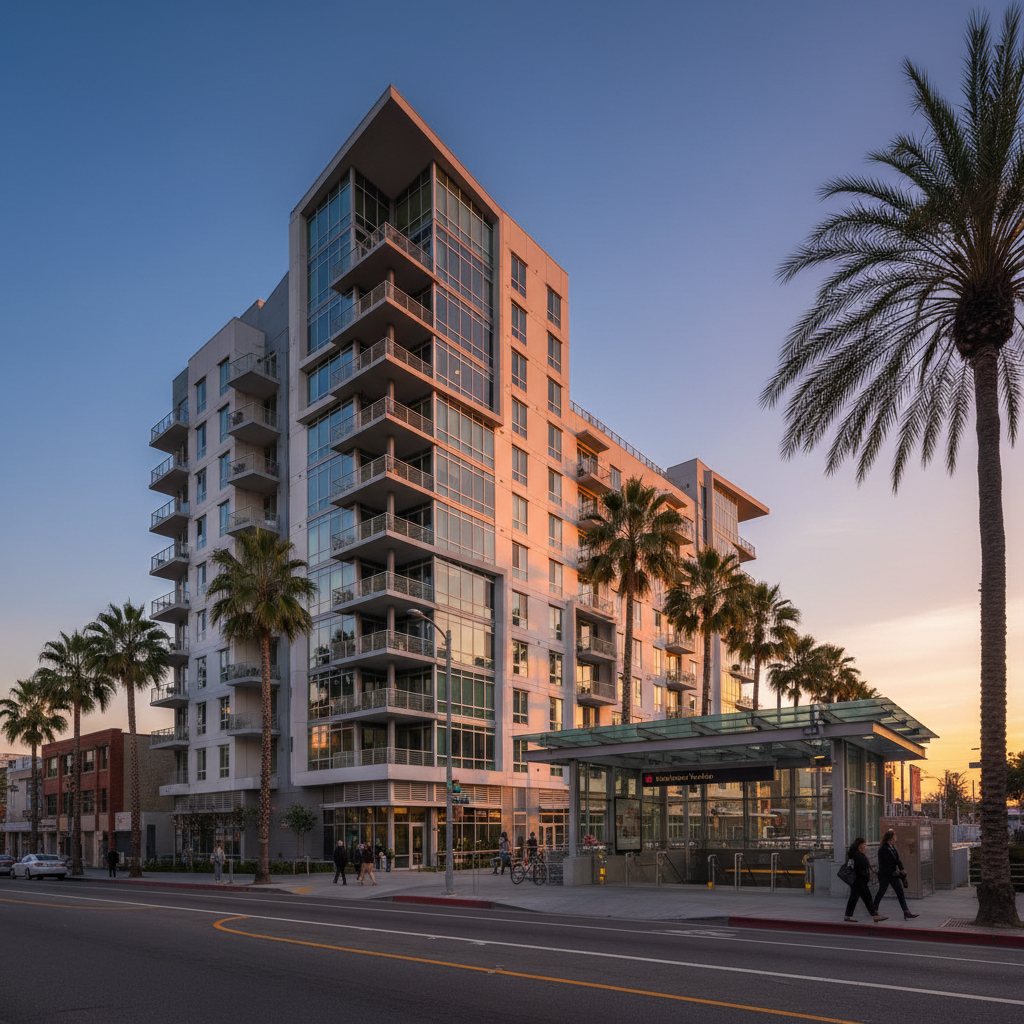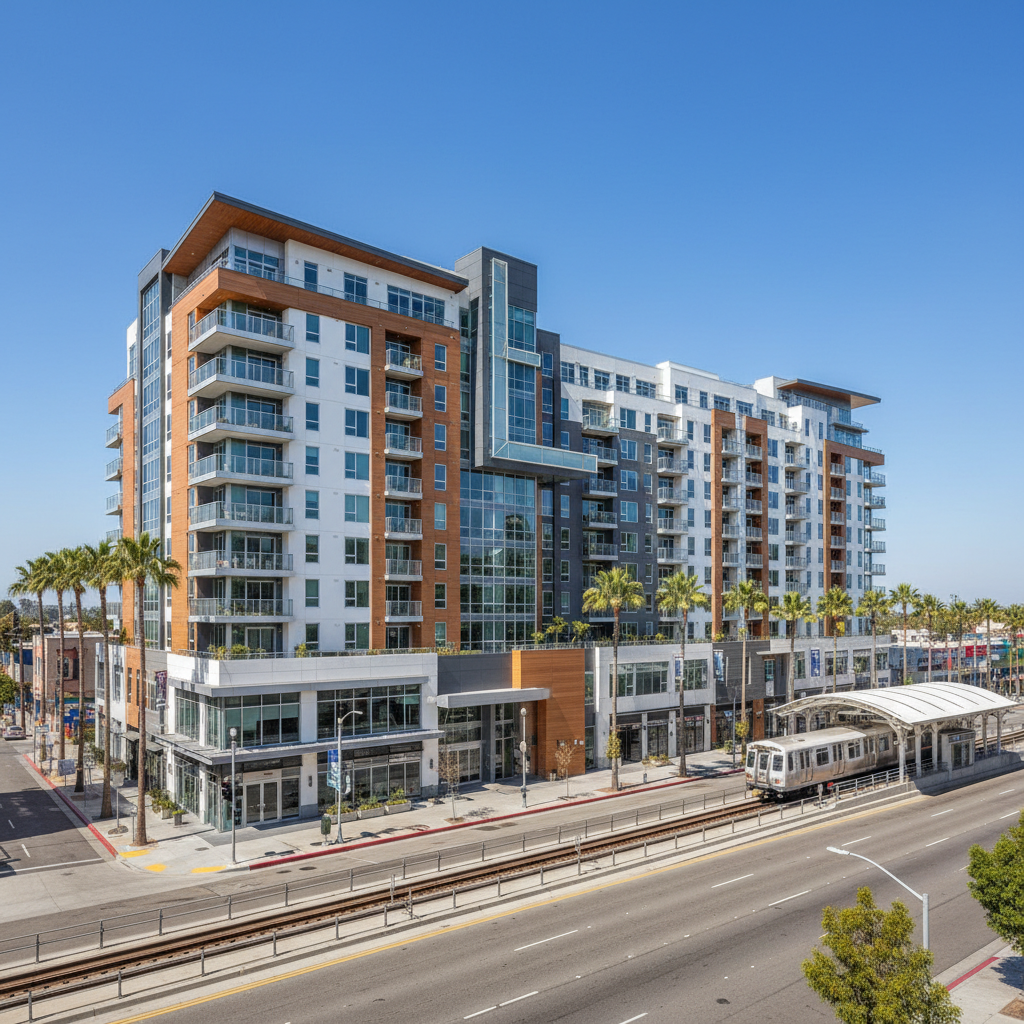
The Cypress Catalyst: A New Era for Southern California Real Estate
For decades, the sprawling industrial campuses of Orange County represented the backbone of the Southern California economy. Large-scale corporate headquarters and manufacturing hubs, such as the iconic 25-acre Yamaha Motor Corporation USA campus in Cypress, served as landmarks of the regional industrial landscape. However, as we move through 2026, a seismic shift is occurring. The marketing of 'Katella 25'—the former Yamaha global headquarters—is a bellwether for a broader trend: the conversion of industrial goliaths into high-density residential goldmines.
At McIntire Kingstone, we are closely monitoring these massive infill sites. They represent a rare acquisition potential that aligns perfectly with the current state of the Southern California market. These sites offer the scale necessary to address California’s chronic housing shortage while providing investors with a unique financial arbitrage opportunity. By converting industrial-zoned land into multifamily assets, developers can unlock value that was previously trapped in outdated warehouse and office structures.
1. Analyzing the Rare Acquisition Potential of Massive Infill Sites
The Southern California real estate market is notoriously supply-constrained. Finding contiguous land parcels exceeding 10 or 20 acres in prime coastal or sub-coastal regions like Orange County is nearly impossible. This is why the availability of sites like the Yamaha campus in Cypress is causing such a stir among sophisticated investors.
The Strategic Importance of 'Katella 25'
Located at 6555 Katella Avenue, the 25-acre Yamaha site is more than just a piece of real estate; it is a catalyst for urban renewal. Historically, industrial sites of this magnitude were utilized for low-density activities—large warehouses with massive parking lots and relatively few employees per square foot. In today’s economy, the highest and best use for such land is shifting toward residential and mixed-use development.
- Infrastructure Readiness: Unlike raw land in the Inland Empire, these infill sites are already surrounded by established infrastructure, utilities, and transportation corridors.
- Density Potential: Working with the City of Cypress and regional planners, developers can utilize California’s Density Bonus Law (Government Code § 65915) to maximize the number of units per acre, significantly increasing the project's Gross Development Value (GDV).
- Connectivity: Cypress sits at the nexus of Orange and Los Angeles counties, making it a prime location for commuters who work in either Long Beach, Irvine, or DTLA.
2. The 2026 Factory-Built Housing Revolution
One of the greatest hurdles for large-scale redevelopment in Southern California has always been the labor shortage. The cost of traditional "stick-built" construction has skyrocketed, driven by a lack of skilled tradespeople and rising materials costs. However, new 2026 California regulations regarding factory-built housing are changing the equation.
Solving the Labor Equation with Modular Construction
The California Department of Housing and Community Development (HCD) has recently streamlined the approval process for prefabricated and modular units. These new rules ease the construction cost burden by allowing for standardized inspections at the factory level rather than on-site. For a project at the scale of 25 acres, this is a game-changer.
By shifting the bulk of the construction work to a controlled factory environment, developers can bypass the volatility of the local labor market. This method ensures consistent quality control and significantly reduces waste. In Santa Monica and Los Angeles, we are already seeing modular units hoisted into place via cranes in a fraction of the time it takes for traditional framing. For Cypress redevelopment, this means housing for hundreds of families can be delivered years faster than traditional methods allowed.
3. Financial Arbitrage: From Industrial Zoned to Multifamily Assets
The core of this investment strategy lies in financial arbitrage. Industrial land in Orange County, while valuable for logistics, often carries lower valuation multipliers than high-density residential land. When an investor can successfully navigate an entitlement change from industrial to residential, the land value effectively doubles or triples overnight.
Capitalizing on Supply-Starved Markets
Orange County remains one of the most supply-starved residential markets in the United States. While the Inland Empire has seen a surge in warehouse development, the "Big Three" coastal counties (LA, OC, San Diego) have failed to keep pace with housing demand. This imbalance creates a safe harbor for capital.
Investors who acquire these industrial goliaths are essentially buying at a "wholesale" industrial price and, through the entitlement process, creating a "retail" residential product. As interest rates remain elevated in 2026, the efficiency of the capital spent is paramount. The faster projects can move from acquisition to leasing, the higher the Internal Rate of Return (IRR).
4. Strategies for Leveraging the 'Stay-Put' Trend
A recent report highlights a fascinating trend: Southern California homeowners stay in their homes longer than anywhere else in the U.S. In the Los Angeles and Orange County metro area, the median tenure is 20 years. This "stay-put" trend, fueled by Prop 13 property tax protections and high moving costs, has stifled the inventory of existing homes.
The Downsizing Opportunity
Many of these long-term homeowners in Cypress, Los Alamitos, and Anaheim are living in large, older single-family homes that no longer suit their lifestyle. However, they refuse to move because there are no high-quality, local alternatives. This is where the Cypress Catalyst comes into play.
By developing premium, new-build multifamily assets on former industrial sites, developers can target this "silver tsunami" of downsizers. Actionable strategies include:
- Single-Level Living: Designing units with accessibility in mind to attract older homeowners who want to age in place without stairs.
- Luxury Amenities: Providing concierge-style services, high-end fitness centers, and community gardens that replace the maintenance burden of a private backyard.
- Tax Transfer Incentives: Educating potential residents on California Prop 19, which allows homeowners over 55 to transfer their low property tax base to a new home of equal or lesser value.
By providing a high-quality "residential goldmine" for these locals to move into, developers not only fill their own buildings but also unlock single-family inventory for younger families, creating a healthier local housing ecosystem.
5. Evaluating ROI: Modular Speed-to-Market vs. Traditional Construction
In the high-interest-rate environment of 2026, time is the greatest enemy of ROI. Carrying costs on a 25-acre site can exceed millions of dollars per year. Therefore, the speed-to-market offered by modular construction is not just a convenience; it is a financial necessity.
The Cost-Benefit Analysis
While the hard costs per square foot for modular units can sometimes be comparable to traditional builds, the pre-development and construction timeline savings are where the ROI is truly realized. Traditional stick-built projects of this scale can take 24–36 months to complete. A modular approach can cut that time by 40-50%.
- Reduced Interest Payments: Shorter construction cycles mean fewer months of paying interest on high-rate construction loans.
- Earlier Cash Flow: Units can be pre-leased and occupied months earlier, allowing for a faster transition from construction financing to permanent financing.
- Weather Resilience: Factory construction eliminates delays caused by Southern California's increasingly unpredictable winter weather patterns, ensuring that the project remains on schedule.
For investors at McIntire Kingstone, we recommend a hybrid approach: utilizing modular units for the bulk of the residential wings while employing traditional construction for custom amenity spaces and ground-floor retail. This provides the best of both worlds—efficiency and aesthetic distinction.
Actionable Advice for Property Owners and Investors
If you own or are looking to acquire industrial land in Southern California, here are the steps you should take today to capitalize on this shift:
- Feasibility Audit: Conduct a zoning audit to see if your property falls under the "Housing Element" of your city’s General Plan. Many cities are being forced by the state to rezone industrial land for residential use to meet RHNA (Regional Housing Needs Allocation) targets.
- Partner with Experts: Redeveloping toxic industrial sites (brownfields) requires specialized environmental remediation. Ensure you have a team that understands the California Environmental Quality Act (CEQA) and can navigate the complexities of environmental cleanup.
- Explore Local Incentives: Cities like Cypress are increasingly open to creative redevelopment proposals that bring tax revenue and residents. Engage with local planning commissions early to build rapport.
Conclusion: The Future of Orange County Urbanism
The conversion of the Yamaha campus into a residential powerhouse is not an isolated event; it is the blueprint for the future of Southern California. As the "Industrial Goliaths" of the late 20th century become obsolete, they provide the canvas for a new, denser, and more sustainable Southern California. At McIntire Kingstone, we believe those who recognize the value of these infill sites and leverage the new 2026 housing regulations will be the ones to reap the rewards of this residential goldmine.
Whether you are a long-term property owner considering a legacy project or an investor looking for the next major opportunity in Orange County, the time to act is now. The combination of state-mandated housing targets, modular construction efficiencies, and overwhelming demand creates a perfect storm for successful redevelopment.
 .5B Bets on the SoCal Rent Silence" class="w-full h-40 object-cover transition-transform duration-300 group-hover:scale-105" loading="lazy"/>