The Brick-and-Mortar Backfire: Liquefying Fixed Overhead into Yield
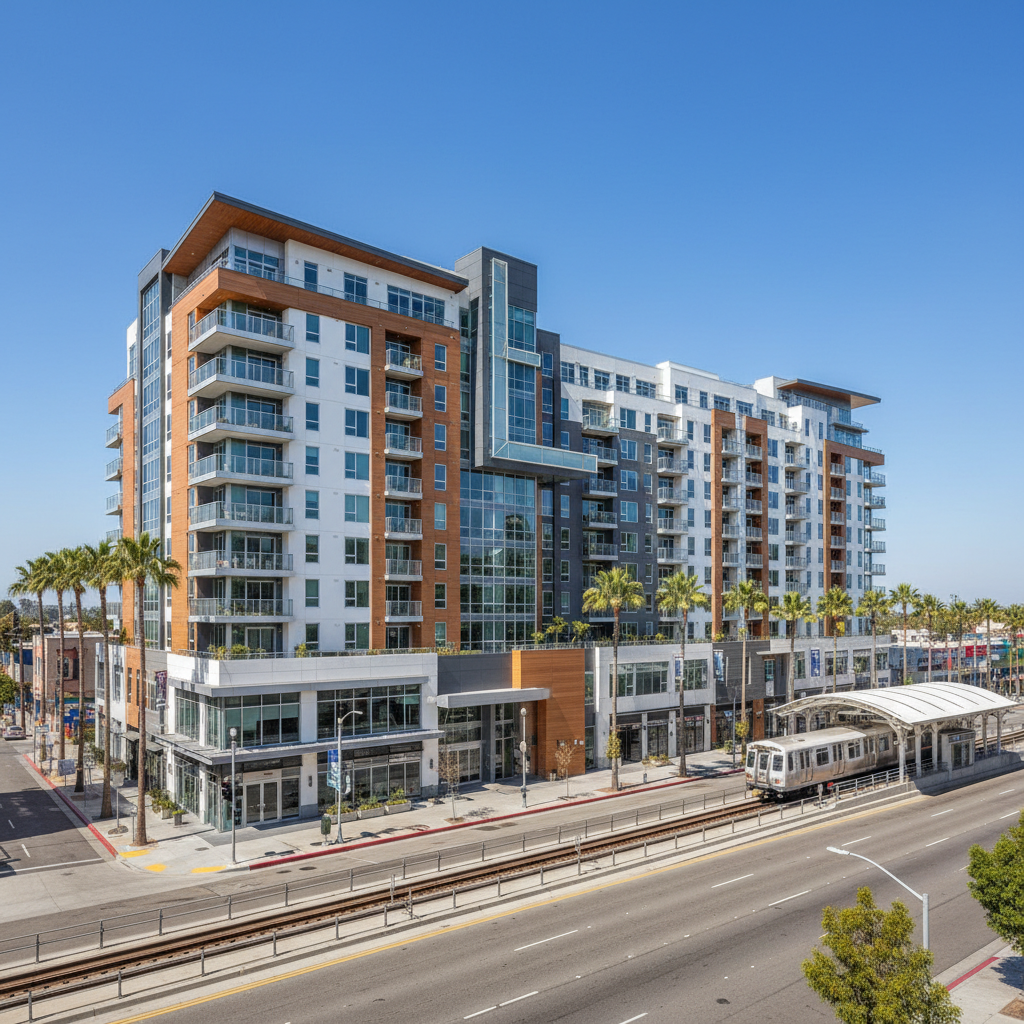
For decades, the hallmark of a successful property management firm in Southern California was a high-rise office in Downtown Los Angeles, a sprawling regional headquarters in Irvine, or a prominent storefront in San Diego’s Gaslamp Quarter. To the legacy investor, these physical structures signaled stability and scale. However, as we navigate 2026, the financial reality has shifted dramatically. What was once considered a sign of strength has become a liability—a phenomenon we call the "Brick-and-Mortar Backfire."
In a high-intensity real estate market like California, where interest rates remain a critical factor and operating costs continue to climb, every basis point in your management fee matters. Investors are increasingly realizing that when they pay 10% to 15% in management fees to a traditional firm, they aren't just paying for tenant screening or maintenance coordination; they are effectively subsidizing the firm’s expensive lease in Century City or Mission Valley. At McIntire Kingstone, we believe it’s time to liquefy that fixed overhead and turn it back into yield for the property owner.
Identifying 'Ghost Overhead': The Invisible Tax on Your ROI
Ghost overhead is the portion of your management fee that provides zero direct value to your property or your tenants. In the traditional Southern California management model, this overhead is staggering. When a management company maintains a physical office in Los Angeles, they are paying some of the highest commercial rents in the country. To cover these costs, they must maintain higher margins, which translates to higher fees for you.
Why Physical Offices Are Obsolete for Management
Historically, offices served as central hubs for paper files, rent drop-offs, and supply storage. Today, California law and digital transformation have rendered these functions obsolete:
- Digital Payments: With the widespread adoption of secure online portals, the need for physical rent drop-off locations has vanished.
- Cloud-Based Compliance: Keeping physical files in a cabinet is no longer just inefficient; it’s a security risk. Digital record-keeping ensures compliance with California’s strict data privacy laws (CCPA).
- Distributed Workforce: Top-tier property managers don't want to spend two hours commuting on the 405 or the I-15. They want to be in the field, at the properties, where they can add real value.
When you audit your current management statement, ask yourself: "How much of this fee went toward the manager’s lobby furniture, and how much went toward increasing my property's Net Operating Income (NOI)?" Removing the 'invisible tax' of redundant office space is the first step toward modernizing your portfolio's performance.
The 2026 Profit Pivot: Direct-to-Site Supply Chains
One of the most significant shifts in the industry is the move from centralized warehouses to direct-to-site supply chains. In the past, companies like Navigate Stays identified that physical locations were often used primarily as transit points for supplies—lightbulbs, air filters, and cleaning kits. This "middle-man" logistics model creates a bottleneck, especially in sprawling regions like the Inland Empire or Riverside.
Speed as a Management Asset
In the California rental market, turnaround time is money. If a furnace breaks in a Big Bear rental or a plumbing emergency occurs in a Huntington Beach condo, waiting for a manager to drive from a central warehouse to the property adds hours, if not days, to the resolution. By eliminating the centralized warehouse and utilizing direct-to-site logistics, supplies are delivered precisely where they are needed. This increases distribution speed and allows management firms to operate with a leaner staff, drastically reducing the management fees passed on to the owner.
Quantifiable Savings
By removing the cost of leasing, insuring, and staffing a central supply hub, modern management firms can often reduce fees by 2% to 4% while simultaneously improving response times. In the world of high-value Southern California real estate, a 2% reduction in management fees can equate to thousands of dollars in annual cash flow per unit.
Hyper-Localism vs. Institutional Bloat
There is a common misconception that a management company with a massive regional footprint is better equipped to handle diverse portfolios. In reality, "institutional bloat" often leads to a generalist approach where the same person managing a luxury high-rise in Santa Monica is also trying to navigate the unique regulations of a short-term rental in Palm Springs.
The Expert Local Team Model
The future of property management belongs to specialized local teams. These teams operate without the anchor of a regional headquarters, allowing them to be more agile. They aren't generalists; they are experts in their specific sub-markets. They know the reliable vendors in Temecula, the specific noise ordinances in San Diego, and the seasonal occupancy fluctuations in the San Bernardino Mountains.
According to industry insights, companies that prioritize "boots on the ground" over "suits in an office" provide more peace of mind to owners. These local experts are not desk-bound; they are mobile, tech-enabled, and deeply embedded in their communities. This specialized attention ensures that property-specific issues are handled with nuance rather than a corporate cookie-cutter approach.
Recalibrating Net Operating Income (NOI) in a High-Interest Environment
Property valuation is a math problem. In a high-interest environment, the capitalization (cap) rate becomes even more sensitive to changes in NOI. Every dollar you save on management fees doesn't just put a dollar in your pocket; it significantly boosts the overall value of your asset.
The Multiplier Effect
Consider a multi-family property in Orange County. If a move to a leaner, office-free management model saves the owner
Actionable Financial Steps for Owners:
- Conduct a Fee Audit: Look beyond the base percentage. Check for "hidden" fees like markups on maintenance supplies or administrative surcharges that cover office overhead.
- Evaluate Response Metrics: Ask your manager for their average time-to-completion for work orders. If they are slowed down by centralized approvals or logistics, they are costing you money.
- Prioritize Performance Over Presence: Don't be seduced by a fancy office address. Ask about the manager’s localized vendor network and digital infrastructure.
Future-Proofing the Portfolio: From the Coast to the Inland Empire
Southern California’s diverse micro-markets require a management strategy that is as varied as the landscape itself. A centralized office model simply cannot keep up with the differing demands of a portfolio spread across the mountains, the desert, and the coast.
Market-Specific Challenges
- Coastal Regions (Laguna Beach, Santa Monica): High salt-air corrosion necessitates frequent, proactive maintenance. A local team on the ground can spot these issues before they require a $50,000 overhaul.
- Desert Markets (Palm Springs, Indio): HVAC systems are the lifeblood of these properties. Direct-to-site supply chains ensure that replacement parts arrive before a guest or tenant is displaced by 110-degree heat.
- Mountain Markets (Big Bear, Lake Arrowhead): Winter weather accessibility makes centralized management impossible. You need local crews who have 4x4 vehicles and are already present in the snow zone.
By embracing a decentralized management model, investors ensure their properties are managed by people who are physically present in the market, rather than managers who are viewing the property through a spreadsheet in a San Bernardino office building. This proximity reduces risk, improves tenant retention, and ultimately secures higher long-term yields.
Conclusion: The New Standard of Management
The era of the "prestige office" in property management is coming to an end. For the sophisticated real estate investor in Southern California, the priority has shifted from institutional size to operational efficiency. By choosing a management partner that has eliminated redundant physical overhead, you are choosing a partner that prioritizes your NOI over their own corporate image.
At McIntire Kingstone, we advocate for this lean, localized approach. Whether you own a portfolio of single-family homes in Riverside or a commercial asset in Los Angeles, the goal remains the same: liquefy the waste, empower local experts, and maximize the yield of every square foot within your portfolio. The future isn't in the office—it's on the ground, at your property.
MK Property Management
The McIntire Kingstone team brings decades of combined experience in property management, real estate investment, and tenant relations.
 .5B Bets on the SoCal Rent Silence" class="w-full h-40 object-cover transition-transform duration-300 group-hover:scale-105" loading="lazy"/>