The Great Transformation: Why Retail-Adjacent Residency is SoCal’s New Gold Standard
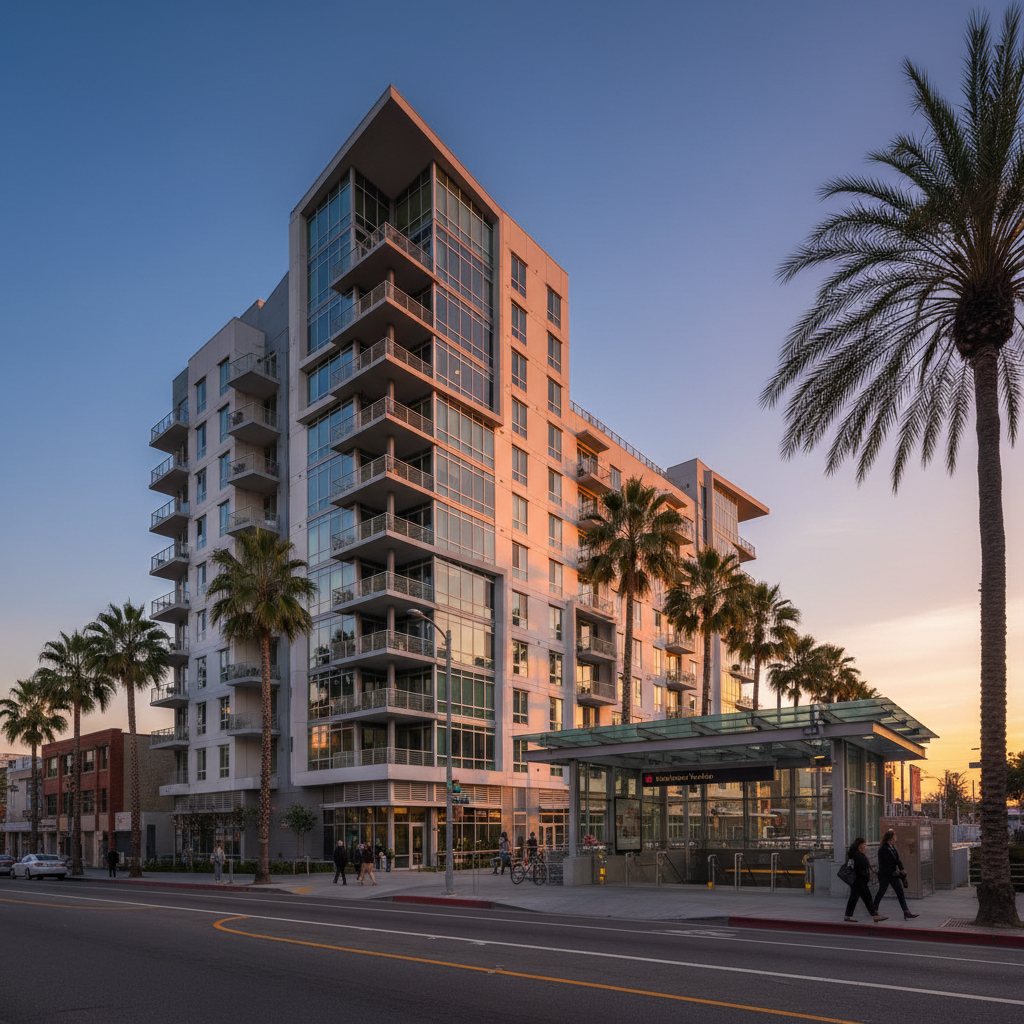
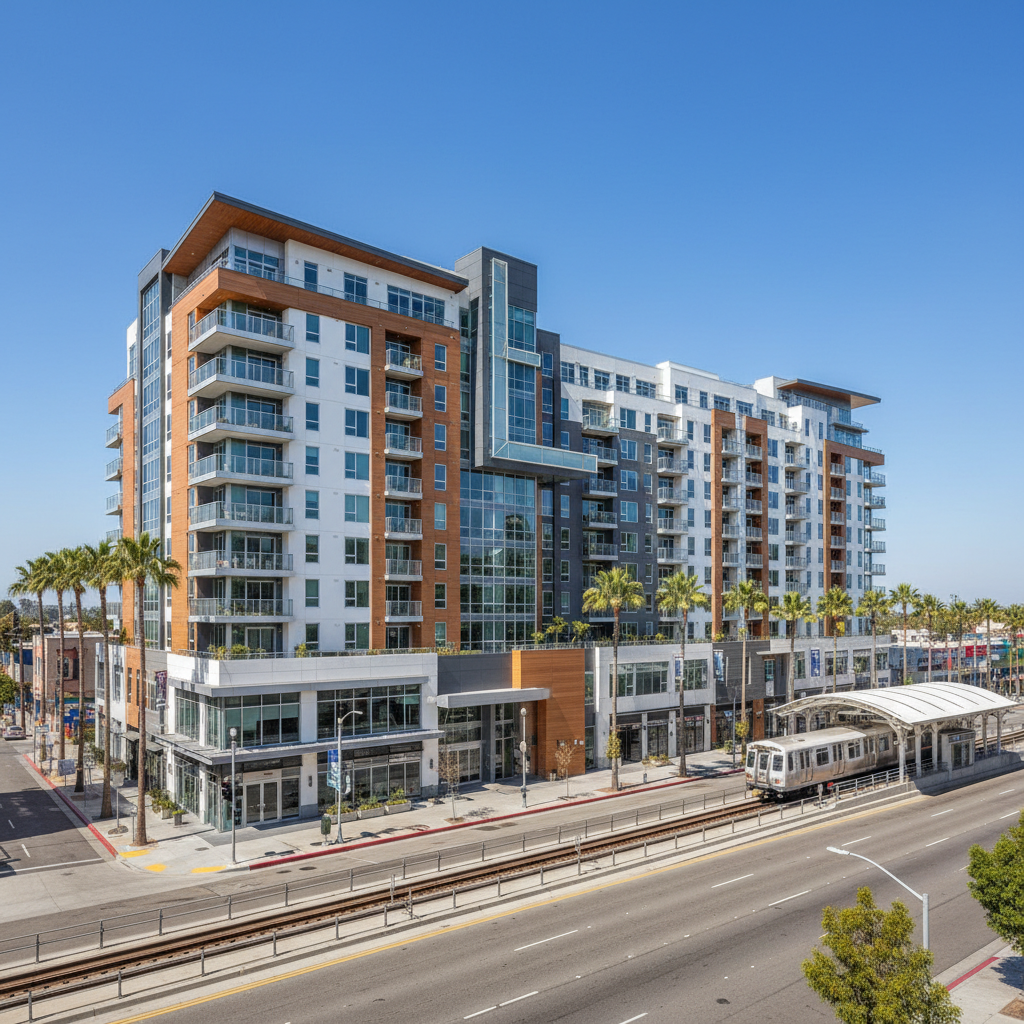
For decades, the sprawling malls of Southern California stood as monuments to suburban consumerism. From the Pacific View Mall in Ventura to the iconic fashion centers of Orange County, these megaliths defined local geography. However, as we move through 2026, a profound structural shift is occurring. We are witnessing the "Mall-to-Mortar Metamorphosis"—a strategic pivoting of underutilized retail acreage into high-density, walkable residential communities.
At McIntire Kingstone, we specialize in navigating the complexities of the Southern California rental market. Whether you are an institutional investor or a private landlord with a portfolio in the Inland Empire or Los Angeles, understanding this shift is critical. Retail-adjacent living isn't just a trend; it is the primary solution to California’s housing shortage and the evolving demands of the modern tenant. This article explores the economic drivers, the legal landscape, and the strategic opportunities inherent in this urban evolution.
The 44M Signal: Analyzing 'The Carina' and the Orange County Pivot
The financing of The Carina in Santa Ana serves as a significant bellwether for the region. Recently, JLL Capital Markets announced the arrangement of a
44 million construction loan for this 408-unit multifamily development situated directly adjacent to the MainPlace Mall. This isn't merely another apartment complex; it is a signal to the market that institutional capital is betting heavily on the integration of living and shopping spaces.
Why Capital is Flowing to Retail Hubs
MainPlace Mall in Santa Ana is undergoing a wider transformation to become a "live-work-play" destination. By securing nine-figure financing in a fluctuating interest rate environment, projects like The Carina demonstrate that retail-adjacent properties are viewed as lower-risk, high-reward assets. For property owners across Orange County and the greater Los Angeles area, this reinforces a crucial lesson: proximity to established physical infrastructure provides a safety net for property values.
These developments tap into existing utility grids, transportation corridors, and public transit nodes—factors that satisfy the stringent requirements of California’s environmental and land-use regulations. As a landlord, tracking where these massive construction loans are landing helps you identify the next "hot" micro-market before it reaches peak saturation.
The 'Amenity Halo Effect': How Proximity Spikes Property Value
When a major retail center like MainPlace Mall or the Northridge Fashion Center undergoes a residential densification, it creates an "Amenity Halo Effect." This phenomenon describes the appreciation of property values for all residential units within a 2-to-3-mile radius of the redevelopment. At McIntire Kingstone, we’ve observed that even older, existing duplexes and single-family rentals see a marked increase in demand when a nearby mall transforms into a lifestyle hub.
The Components of the Halo
- Walkability Premiums: Tenants are increasingly willing to pay a 15-25% premium for rentals where a grocery store, gym, and dining are within a 10-minute walk.
- Security and Upkeep: Major retail redevelopments often include private security patrols and enhanced streetscaping that benefit the entire neighborhood.
- Transit Integration: many Southern California malls are traditional transit hubs for Metrolink and local bus lines, making these areas highly attractive to the professional workforce.
For the private owner, this means that even if you don't own a 400-unit high-rise, your 4-unit apartment building in Riverside or San Bernardino gains value simply by being in the "halo" of a retail-to-residential conversion. The goal is to market your property not just as a home, but as a gateway to these new lifestyle amenities.
The 2026 Tenant Shift: Prioritizing Experience Over Seclusion
The post-commute era has fundamentally altered what Southern Californians look for in a rental. In 2026, the data shows a clear divergence: while some still seek the quiet of the suburbs, a growing segment of high-earning tenants—particularly in the Inland Empire and Orange County—are rejecting suburban seclusion in favor of urban connectivity.
The Death of the 'Commuter Bedroom'
With hybrid work now a permanent fixture for many firms in Los Angeles and San Diego, the home is no longer just a place to sleep between commutes. Tenants want to be able to step out of their front door and grab a coffee, attend a yoga class, or meet friends for dinner without getting into a car. This "15-minute city" concept, once a European ideal, is being forced into existence by SoCal’s traffic congestion and the rising cost of vehicle ownership.
Investors should note that vacancies in retail-adjacent properties are consistently lower than those in isolated residential tracts. The modern tenant prioritizes the "vibe" of the neighborhood as much as the square footage of the unit. At McIntire Kingstone, we recommend that owners of smaller properties near these hubs highlight "walk scores" and nearby local favorites in their listings to capture this demographic.
Navigating the Legal Minefield: Housing Laws and Tenant Protections
While the market trends favor densification, the legislative environment in California remains complex and often restrictive. As a property manager, we stay abreast of every bill that impacts your bottom line. Two current legislative movements are particularly relevant to property owners in 2026.
Eviction Moratoriums and Immigration (SB 1243)
State Senator María Elena Durazo has introduced SB 1243, which proposes a pause on eviction proceedings for individuals impacted by ICE activity. For landlords in diverse areas like Highland Park, Vernon, and Eagle Rock, this adds a layer of required due diligence. If enacted, this law would require owners to navigate a year-long stay on evictions for certain tenants who can prove economic hardship due to immigration enforcement. Understanding your legal obligations here is paramount to avoiding costly litigation.
Taxation and Property Rights Initiatives
On the ballot this year are several initiatives that could reshape the financial landscape for Southern California owners. The Local Taxpayer Protection Act aims to reinforce Proposition 13 and limit the ability of local governments to hike taxes without a two-thirds voter approval. Conversely, the proposed "Wealth Tax" and efforts to expand the billionaire tax are being closely watched by the Apartment Association of Greater Los Angeles (AAGLA). Higher taxes on large-scale investors could trickly down, affecting the feasibility of the very mixed-use developments that are driving market growth.
Strategic Action: Identifying Micro-Markets for the Retail Wave
If you are looking to expand your portfolio or optimize your current holdings, you must look beyond broad city names and focus on "micro-markets." These are specific blocks or neighborhoods where retail redevelopment is imminent.
Actionable Advice for Owners:
- Monitor Zoning Changes: Keep an eye on city council meetings in San Bernardino and Riverside. These cities are increasingly using "overlay zones" to allow residential units on formerly strictly-commercial retail land.
- The 'Anchor' Check: If a mall loses its primary anchor tenant (like a Macy's or Nordstrom), don't see it as a decline. See it as a potential residential conversion site. The value of nearby residential property usually dips temporarily and then surges once redevelopment plans are announced.
- Infrastructure Proximity: Look for properties near the Brightline West stations or the expanding LA Metro lines. Retail centers near these nodes are the first candidates for the "Mall-to-Mortar" transition.
By positioning your investments near these hubs, you insulate yourself from broader market downturns. Mixed-use areas are traditionally more resilient because they draw foot traffic and economic activity even when the wider economy is sluggish.
Conclusion: Partnering for Success in an Evolving Landscape
The transformation of Southern California’s retail landscape represents one of the most significant real estate opportunities of the decade. From the massive
44M infusion into Santa Ana’s 'The Carina' to the subtle shifts in tenant behavior across the Inland Empire, the move toward retail-adjacent living is undeniable. However, with this opportunity comes a host of challenges—new eviction laws, evolving tax initiatives, and the complexities of managing high-density properties.
At McIntire Kingstone, we provide the expertise and local boots-on-the-ground presence necessary to thrive in this environment. We manage properties across California and Missouri, with a deep specialization in the unique needs of Southern California landlords. Whether you need help navigating SB 1243 compliance or want to optimize your rental rates in the wake of a nearby mall redevelopment, we are here to ensure your investment remains profitable and protected.
The malls may be changing, but the need for professional, high-quality housing is only growing. Let’s make the most of this metamorphosis together.
MK Property Management
The McIntire Kingstone team brings decades of combined experience in property management, real estate investment, and tenant relations.
The financing of The Carina in Santa Ana serves as a significant bellwether for the region. Recently, JLL Capital Markets announced the arrangement of a
Why Capital is Flowing to Retail Hubs
MainPlace Mall in Santa Ana is undergoing a wider transformation to become a "live-work-play" destination. By securing nine-figure financing in a fluctuating interest rate environment, projects like The Carina demonstrate that retail-adjacent properties are viewed as lower-risk, high-reward assets. For property owners across Orange County and the greater Los Angeles area, this reinforces a crucial lesson: proximity to established physical infrastructure provides a safety net for property values.
These developments tap into existing utility grids, transportation corridors, and public transit nodes—factors that satisfy the stringent requirements of California’s environmental and land-use regulations. As a landlord, tracking where these massive construction loans are landing helps you identify the next "hot" micro-market before it reaches peak saturation.
The 'Amenity Halo Effect': How Proximity Spikes Property Value
When a major retail center like MainPlace Mall or the Northridge Fashion Center undergoes a residential densification, it creates an "Amenity Halo Effect." This phenomenon describes the appreciation of property values for all residential units within a 2-to-3-mile radius of the redevelopment. At McIntire Kingstone, we’ve observed that even older, existing duplexes and single-family rentals see a marked increase in demand when a nearby mall transforms into a lifestyle hub.
The Components of the Halo
- Walkability Premiums: Tenants are increasingly willing to pay a 15-25% premium for rentals where a grocery store, gym, and dining are within a 10-minute walk.
- Security and Upkeep: Major retail redevelopments often include private security patrols and enhanced streetscaping that benefit the entire neighborhood.
- Transit Integration: many Southern California malls are traditional transit hubs for Metrolink and local bus lines, making these areas highly attractive to the professional workforce.
For the private owner, this means that even if you don't own a 400-unit high-rise, your 4-unit apartment building in Riverside or San Bernardino gains value simply by being in the "halo" of a retail-to-residential conversion. The goal is to market your property not just as a home, but as a gateway to these new lifestyle amenities.
The 2026 Tenant Shift: Prioritizing Experience Over Seclusion
The post-commute era has fundamentally altered what Southern Californians look for in a rental. In 2026, the data shows a clear divergence: while some still seek the quiet of the suburbs, a growing segment of high-earning tenants—particularly in the Inland Empire and Orange County—are rejecting suburban seclusion in favor of urban connectivity.
The Death of the 'Commuter Bedroom'
With hybrid work now a permanent fixture for many firms in Los Angeles and San Diego, the home is no longer just a place to sleep between commutes. Tenants want to be able to step out of their front door and grab a coffee, attend a yoga class, or meet friends for dinner without getting into a car. This "15-minute city" concept, once a European ideal, is being forced into existence by SoCal’s traffic congestion and the rising cost of vehicle ownership.
Investors should note that vacancies in retail-adjacent properties are consistently lower than those in isolated residential tracts. The modern tenant prioritizes the "vibe" of the neighborhood as much as the square footage of the unit. At McIntire Kingstone, we recommend that owners of smaller properties near these hubs highlight "walk scores" and nearby local favorites in their listings to capture this demographic.
Navigating the Legal Minefield: Housing Laws and Tenant Protections
While the market trends favor densification, the legislative environment in California remains complex and often restrictive. As a property manager, we stay abreast of every bill that impacts your bottom line. Two current legislative movements are particularly relevant to property owners in 2026.
Eviction Moratoriums and Immigration (SB 1243)
State Senator María Elena Durazo has introduced SB 1243, which proposes a pause on eviction proceedings for individuals impacted by ICE activity. For landlords in diverse areas like Highland Park, Vernon, and Eagle Rock, this adds a layer of required due diligence. If enacted, this law would require owners to navigate a year-long stay on evictions for certain tenants who can prove economic hardship due to immigration enforcement. Understanding your legal obligations here is paramount to avoiding costly litigation.
Taxation and Property Rights Initiatives
On the ballot this year are several initiatives that could reshape the financial landscape for Southern California owners. The Local Taxpayer Protection Act aims to reinforce Proposition 13 and limit the ability of local governments to hike taxes without a two-thirds voter approval. Conversely, the proposed "Wealth Tax" and efforts to expand the billionaire tax are being closely watched by the Apartment Association of Greater Los Angeles (AAGLA). Higher taxes on large-scale investors could trickly down, affecting the feasibility of the very mixed-use developments that are driving market growth.
Strategic Action: Identifying Micro-Markets for the Retail Wave
If you are looking to expand your portfolio or optimize your current holdings, you must look beyond broad city names and focus on "micro-markets." These are specific blocks or neighborhoods where retail redevelopment is imminent.
Actionable Advice for Owners:
- Monitor Zoning Changes: Keep an eye on city council meetings in San Bernardino and Riverside. These cities are increasingly using "overlay zones" to allow residential units on formerly strictly-commercial retail land.
- The 'Anchor' Check: If a mall loses its primary anchor tenant (like a Macy's or Nordstrom), don't see it as a decline. See it as a potential residential conversion site. The value of nearby residential property usually dips temporarily and then surges once redevelopment plans are announced.
- Infrastructure Proximity: Look for properties near the Brightline West stations or the expanding LA Metro lines. Retail centers near these nodes are the first candidates for the "Mall-to-Mortar" transition.
By positioning your investments near these hubs, you insulate yourself from broader market downturns. Mixed-use areas are traditionally more resilient because they draw foot traffic and economic activity even when the wider economy is sluggish.
Conclusion: Partnering for Success in an Evolving Landscape
The transformation of Southern California’s retail landscape represents one of the most significant real estate opportunities of the decade. From the massive
At McIntire Kingstone, we provide the expertise and local boots-on-the-ground presence necessary to thrive in this environment. We manage properties across California and Missouri, with a deep specialization in the unique needs of Southern California landlords. Whether you need help navigating SB 1243 compliance or want to optimize your rental rates in the wake of a nearby mall redevelopment, we are here to ensure your investment remains profitable and protected.
The malls may be changing, but the need for professional, high-quality housing is only growing. Let’s make the most of this metamorphosis together.
MK Property Management
The McIntire Kingstone team brings decades of combined experience in property management, real estate investment, and tenant relations.
 .5B Bets on the SoCal Rent Silence" class="w-full h-40 object-cover transition-transform duration-300 group-hover:scale-105" loading="lazy"/>