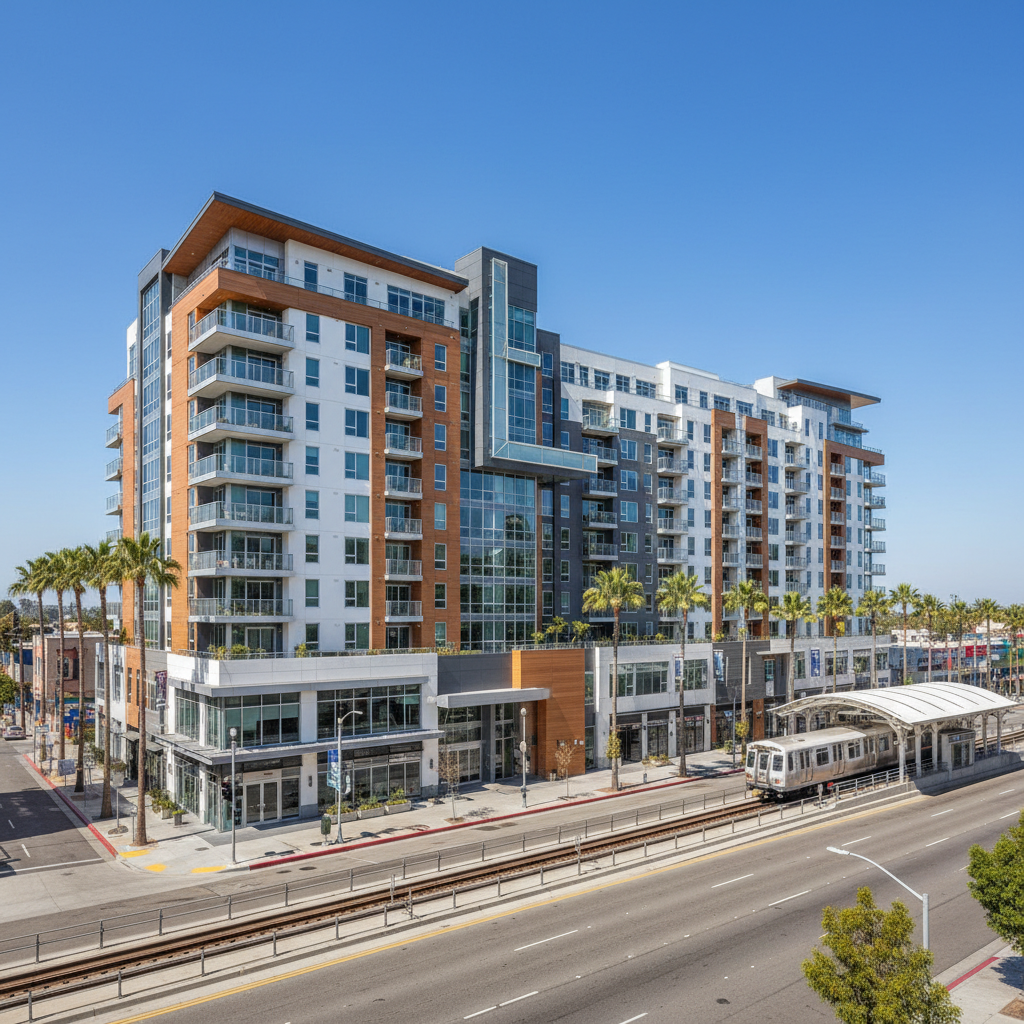
The Evolving Landscape of Southern California Property Management
In March 2026, the Southern California real estate market remains in a state of flux. With house payments jumping 59% over the last four years and sales volumes hitting record lows, the rental market has become the primary stabilizer for millions of residents. However, for property owners in Los Angeles, Riverside, and San Bernardino counties, this stability is being tested by recent legislative shifts. On March 17, 2026, the L.A. County Board of Supervisors approved an extension of the 10% rental cap, specifically targeting protection for survivors of the Palisades and Eaton fires. This move underscores a growing trend across the Inland Empire and greater Southern California: the intersection of disaster recovery and stringent regulatory oversight.
For investors and property managers at McIntire Kingstone, the challenge is twofold. How do we respect the legal and moral requirements of 'Disaster Dignity' while ensuring that properties remain financially viable? Managing rent caps during a housing shortage requires more than just administrative compliance; it requires a strategic framework that balances the immediate needs of displaced residents with the long-term health of the real estate asset. This guide explores the 'Post-Disaster Dignity Protocol,' a method for managing these tight margins without succumbing to operational burnout or compassion fatigue.
1. Interpreting the 10% Rent Cap Extension: What Owners Need to Know
The latest motion from the L.A. Board of Supervisors is not merely a suggestion; it is a critical regulatory firewall designed to prevent price gouging in the wake of the January 2025 fires. This 10% cap applies to properties housing those displaced by the Palisades and Eaton fires, but its ripples are felt across the entire Southern California region, including Orange County and San Diego, where similar legislative appetites are growing.
The Scope of the March 2026 Mandate
The mandate focuses on residents currently utilizing temporary housing funds. With roughly 70% of displaced residents still relying on these subsidies, the county has moved to prevent a 'subsidy cliff.' This cliff occurs when temporary housing funds run out, but market rents have climbed so high that the resident faces immediate homelessness. By capping increases at 10%, the county is buying time for these residents to transition back into the permanent workforce or secure long-term federal assistance.
Compliance Across County Lines
While the specific 10% extension is an L.A. County measure, property owners in Riverside and San Bernardino are increasingly seeing similar local ordinances proposed. California’s AB 1482 already provides a statewide framework for rent caps, but disaster-specific declarations can supersede these limits. Owners must verify if their property falls within a designated disaster zone or if their tenant is a registered fire survivor, as these statuses trigger the higher level of scrutiny and lower cap limits.
2. The 'Value-Exchange' Strategy: Non-Monetary Lease Renewals
When legal caps prevent you from reaching market rent, the traditional 'rent increase' model fails. To combat this, McIntire Kingstone recommends a 'Value-Exchange' strategy. This approach shifts the focus from purely monetary gains to operational efficiencies and long-term stability.
- Extended Lease Terms: In exchange for holding rent at or below the 10% cap, owners can request 18-month or 24-month lease commitments. This reduces turnover costs—the single biggest expense for SoCal landlords—which often exceed $3,000 to $5,000 in Los Angeles and Orange County.
- Maintenance Incentives: Offer minor unit upgrades (like smart thermostats or low-flow fixtures) in lieu of a higher rent increase. These upgrades improve the asset value and reduce utility burdens on the tenant, creating a win-win scenario that fits within current budget constraints.
- Utility Responsibility Shifts: If a lease currently includes certain utilities, negotiating a gradual transition where the tenant assumes responsibility (consistent with local laws) can help offset the inability to raise the base rent to market levels.
Prioritizing Long-Term Stability
In a market where homebuying has chilled due to high mortgage rates (averaging 6.4% as of 2026), a reliable, long-term tenant is more valuable than ever. The Value-Exchange strategy treats the tenant as a partner in the property's preservation rather than just a source of revenue.
3. Navigating Sensitive Communications: The Dignity Protocol
Discussing rent with someone who has lost their home to a wildfire is one of the most difficult tasks a property manager faces. If handled poorly, it can lead to legal disputes, bad PR, and high-stress environments for on-site staff. Transparency and empathy are the cornerstones of the Dignity Protocol.
Avoid the 'Predatory' Tone
Communication should never lead with the increase. Instead, start with an acknowledgment of the timeline. A successful approach might look like this: "We are reviewing the upcoming expiration of the County's temporary housing funds. We want to work with you now to ensure there is a plan in place so your housing remains stable after those funds are exhausted."
Educational Outreach
Many tenants are unaware of the 10% cap or their rights under the latest Board of Supervisors' motion. By proactively providing this information, you establish yourself as a fair and compliant operator. This builds trust, which is essential if you eventually need to discuss more complex issues like lease modifications or future market-rate adjustments.
4. Leveraging Temporary Housing Fund Timelines
Temporary housing funds—often provided by FEMA, insurance companies, or local charities—have a shelf life. The most effective property managers in the Inland Empire and L.A. are those who track these timelines as closely as the tenants do.
The Transition Window
Most subsidies run on 3, 6, or 12-month cycles. Approximately 60 days before a subsidy expires, initiate a 'Path to Permanency' meeting. This allows the tenant to search for additional assistance or adjust their personal budget before the first full rent payment is due out of their pocket. By helping the resident transition into permanent status, you ensure the property’s cash flow remains uninterrupted.
Collaboration with Case Managers
Often, residents displaced by disasters have assigned case managers. Maintaining a professional relationship with these managers can provide early warnings if a tenant's funding is in jeopardy or if they qualify for additional Rent Relief programs that the owner can apply for directly.
5. Internal Team Training: Preventing Compassion Fatigue
The emotional toll of managing high-stress populations under restrictive regulatory conditions is often overlooked. On-site managers in Southern California are currently facing a 'burnout trifecta': angry owners who want market rates, desperate tenants who have lost everything, and a complex web of evolving laws.
Implementing the 'Secondary Trauma' Framework
Property management companies must train their teams to recognize 'secondary trauma.' When managers hear stories of loss daily, their productivity and mental health suffer. We recommend the following protocols for internal teams:
- Rotation Policies: Rotate the 'point person' for sensitive displacement cases so one manager isn't carrying the emotional weight of 50 fire-survivor households.
- Defined Boundaries: Train staff on the difference between being a property manager and a social worker. Providing resources is part of the job; solving a tenant's life crisis is not.
- Legal Support Access: Ensure on-site managers have immediate access to legal counsel for questions regarding the 10% cap. This reduces the anxiety of making a compliance mistake.
The Role of Technology
Use property management software to automate the standard parts of the communication process. This saves the manager’s 'emotional energy' for the one-on-one conversations that actually require a human touch.
Conclusion: A Sustainable Future for SoCal Housing
The current rental climate in Southern California—marked by the March 2026 rent cap extensions and the ongoing housing shortage—demands a sophisticated approach to property management. By implementing the Post-Disaster Dignity Protocol, property owners can navigate the complexities of L.A. and Inland Empire regulations with confidence. This strategy ensures that we honor the humanity of those displaced by disaster while maintaining the financial integrity of the real estate investments that keep our communities thriving.
At McIntire Kingstone, we specialize in this delicate balance. Whether you are managing a single-family home in Riverside or a multi-family complex in Los Angeles, our team is equipped to handle the legal, financial, and emotional complexities of today's market. Together, we can build a more resilient Southern California housing market that respects both the landlord's bottom line and the tenant's right to dignity.
 .5B Bets on the SoCal Rent Silence" class="w-full h-40 object-cover transition-transform duration-300 group-hover:scale-105" loading="lazy"/>