Deep Dive into the 2026 Southern California Rental Landscape
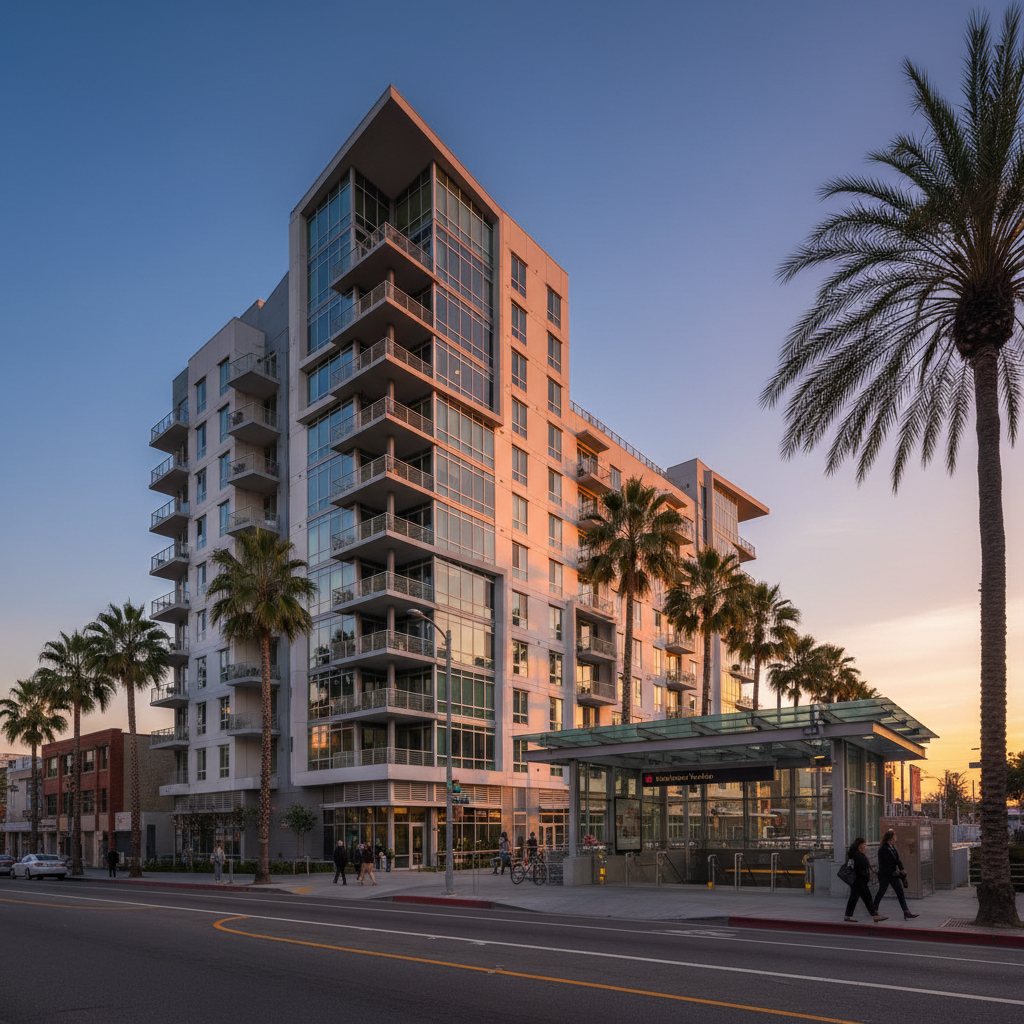
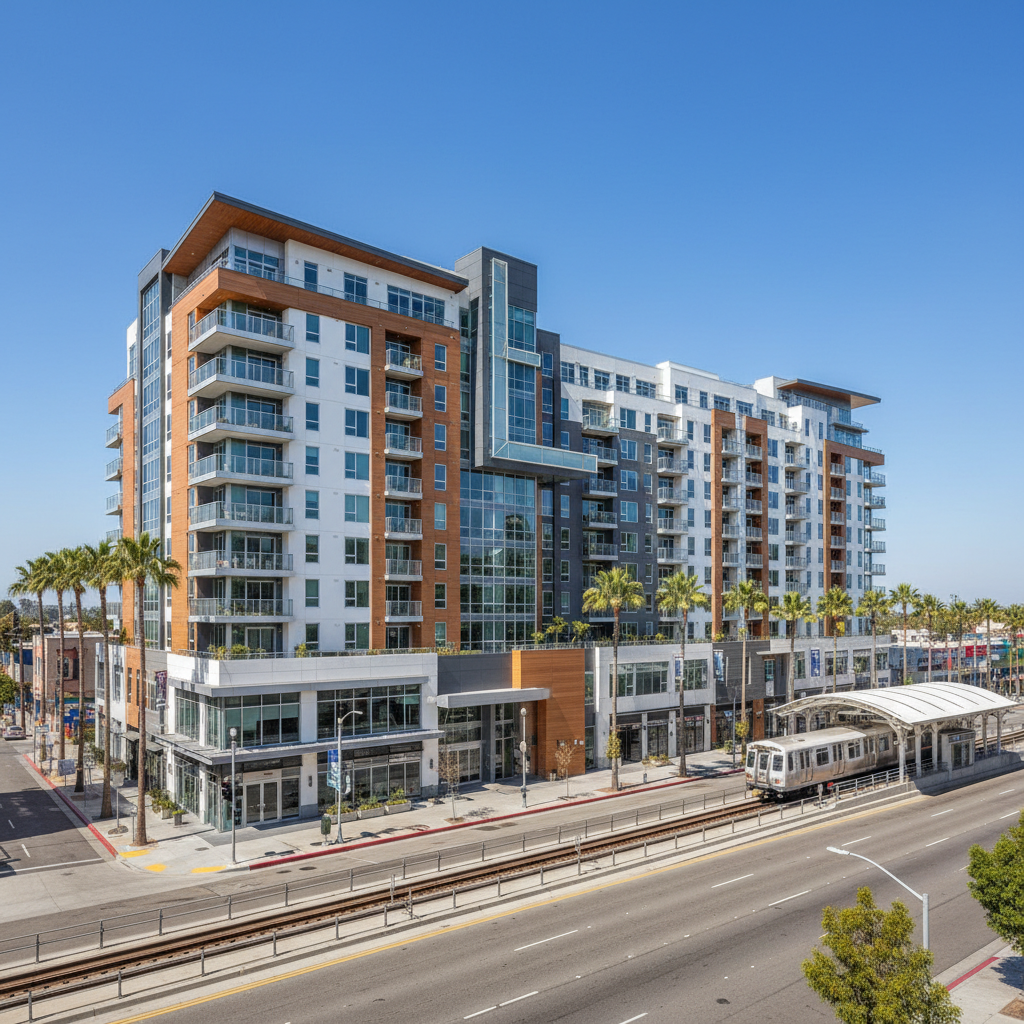
The Southern California real estate market has long been a bellwether for national trends, but as we navigate the first quarter of 2026, a striking phenomenon has emerged: the great rental divergence. For decades, investors viewed apartments and single-family homes as two sides of the same coin, moving in tandem with the economy. Today, that script has been flipped. According to the latest Dwellsy IQ 2026 Rental Housing Index, we are witnessing a "split-screen" market where apartment rents are facing downward pressure due to a glut of deliveries, while single-family houses continue to show remarkable price resilience and yield stability.
For property owners in regions like Los Angeles, Orange County, and the Inland Empire, understanding this divergence is no longer optional—it is the key to portfolio survival. At McIntire Kingstone, we are seeing a clear shift in tenant behavior and capital flow. Investors who recognize the scarcity of standalone residential dwellings are harvesting yields that were previously reserved for high-stakes commercial multi-family units.
1. Analyzing the 2026 Index: Why SoCal Houses Are Resisting the Pressure
To understand why single-family rentals (SFRs) are thriving while apartments struggle, we must look at the supply-side dynamics. Between 2023 and 2025, Southern California saw a significant surge in high-density apartment completions, particularly in downtown hubs like Los Angeles and San Diego. This influx of units has forced many multi-family operators to offer "concessions"—such as one or two months of free rent—just to maintain occupancy levels.
The Supply-Demand Imbalance
In contrast, the supply of single-family homes for rent has remained critically low. Local zoning restrictions and the high cost of land in coastal California have made it nearly impossible for developers to build new standalone houses at scale. The 2026 Dwellsy IQ report highlights that while nationwide apartment rents have dipped by nearly 1.5% in some markets, house rents have held steady or even ticked upward in high-demand pockets of Southern California.
Regulatory Friction and Local Impact
Furthermore, under California Assembly Bill 1482 (the California Tenant Protection Act), many newer multi-family developments are subject to strict rent caps as they age into the 15-year window. However, single-family homes owned by individuals (not organized as REITS or large corporations) often qualify for exemptions from these state-wide rent caps, provided the proper disclosures are made to the tenant. This regulatory nuance allows SFR owners to adjust rents closer to market value, capturing the yield that multi-family owners often lose to statutory limitations.
2. The 'NoHo Hybrid' Model: Capturing 'Home-Away-From-Home' Demand
A fascinating trend that has reached a fever pitch in 2026 is the "NoHo Hybrid" model. Named after the recent success of developments like Living at NoHo in the North Hollywood Arts District, this strategy involves integrating corporate-grade amenities into residential-style living to attract the highest-paying demographic: the professional business traveler and the digital nomad.
Amenitization of the Single-Family Home
The modern tenant is no longer satisfied with just a roof and four walls. In 2026, the "Home-Away-From-Home" experience is the target. This means investors are seeing 15-20% higher yields by equipping their residential properties with:
- High-Speed Infrastructure: Fiber-optic internet and dedicated office spaces are no longer "nice-to-haves."
- Furnished Solutions: Following the lead of corporate housing providers in the North Hollywood Arts District, offering furnished turn-key residences caters to the media and technology sectors rampant in Southern California.
- Smart Home Integration: Integrated security, climate control, and digital keyless entry are standard expectations for the 2026 tenant.
Targeting the Media and Tech Sectors
For property owners in Los Angeles and Orange County, targeting the entertainment and tech industries is a proven path to stability. As Key Housing recently noted in their March 2026 features, properties that offer the "magic" of a local lifestyle—proximity to artisan cafes, theaters, and transit—combined with the convenience of a serviced apartment are leading the market in occupancy rates.
3. Strategic Capital Allocation: High-Yield Zip Codes in SoCal
If you are looking to rebalance your portfolio in 2026, location is more surgical than ever. We are moving away from broad regional bets and toward specific zip codes where the SFR supply-demand gap is most acute. At McIntire Kingstone, we identify these "scarcity zones" through granular data analysis.
The Inland Empire Opportunity
Regions like Riverside and San Bernardino continue to attract families fleeing the high costs of Los Angeles. Zip codes in the 92506 (Riverside) and 91730 (Rancho Cucamonga) areas have seen a massive influx of remote workers who require the space of a house but want to remain within driving distance of major SoCal infrastructure. These areas have fewer multi-family developments in the pipeline compared to the coast, ensuring lower vacancy rates.
The Coastal Resilience
In Orange County, cities like Irvine (92618) and Tustin (92782) remain top performers. The demand for units in high-performing school districts keeps the turnover rates for single-family homes significantly lower than the average apartment complex. By allocating capital here, investors are essentially buying into a "sticky" tenant base that prioritizes community over concessions.
4. Tenant Psychology in 2026: Why Distance and Privacy Win
The cultural shift sparked in 2020 has fully solidified by 2026. The psychological premium placed on privacy and space has created a permanent floor for single-family house rents. Families and long-term renters are increasingly viewing high-density apartments as transitional living, whereas the standalone home represents stability.
The Rejection of Apartment Concessions
While apartment developers are dangling "concessions" like free gym memberships or Peloton rooms, the 2026 renter is more interested in a private backyard and a two-car garage. This shift is particularly evident in San Diego County, where suburban communities are seeing 3-bedroom houses rent within days of listing, while luxury mid-rise apartments are sitting empty for weeks.
Long-Term Tenure Benefits
The yield in SFR isn’t just about the monthly rent; it’s about the reduced turnover costs. An apartment tenant in 2026 moves on average every 14 months. A single-family home renter in a high-quality Southern California neighborhood stays for an average of 38 months. For the property owner, this means fewer marketing fees, fewer paint-and-carpet refreshes, and more consistent cash flow. In the current 2026 market, stability is the new appreciation.
5. Portfolio Rebalancing: When to Move Away from Multi-Family
As we navigate this split-screen market, many savvy investors are asking: Is it time to sell my multi-family units? The answer depends on the specific performance of your asset relative to the broader index, but certain red flags suggest it’s time to offload.
Signs Your Multi-Family Is Underperforming
- Increasing Vacancy Despite Concessions: If you are offering a free month of rent and still can't hit 95% occupancy, the market in your specific area is likely oversaturated.
- Rising HOA/Operating Costs: Professional management fees and maintenance for older apartment complexes in California are rising faster than rent caps allow for recovery.
- Local Rent Control Expansion: Many cities in the Inland Empire and Los Angeles County are exploring local rent stabilization ordinances that go even further than AB 1482. Houses often remain shielded from the most restrictive of these measures.
The 1031 Exchange Strategy
Using a 1031 Tax-Deferred Exchange to move capital from a multi-family building into a diversified portfolio of 3-4 single-family residences across the Riverside and San Bernardino counties is a popular 2026 play. This strategy spreads the risk across multiple parcels of land (which often appreciate faster than the improvements) and taps into the resilient yield of a market that is fundamentally undersupplied.
Actionable Advice for Southern California Landlords
To capitalize on this divergence, property owners should take the following steps immediately:
- Audit Your Exemptions: Ensure your single-family rentals are properly noticed to tenants as being exempt from the rent caps of AB 1482. Without this specific legal language in the lease, you may be unintentionally limiting your own yield.
- Repurpose Your Amenities: If you own a residential dwelling, look at what the "NoHo Hybrid" model is doing. Can you add a high-end home office shed (permitted under California's ADU laws) to increase your rental value by 15%?
- Focus on the School Year: In school-centric regions like Irvine or South Riverside, time your lease expirations for June to capture families looking to move before the new school term, ensuring maximum competition for your property.
- Monitor Local Ordinances: Keep a close eye on the Riverside City Council and Los Angeles County Board of Supervisors, as new 2026 housing mandates are constantly evolving.
The 2026 market belongs to those who adapt. While the "Apartment Glut" makes headlines, the savvy Southern California investor is quietly harvesting yield from the residential dwellings that everyone still wants but nobody can find. At McIntire Kingstone, we specialize in navigating these complex shifts, ensuring our clients’ portfolios are positioned on the right side of the split-screen market.
 .5B Bets on the SoCal Rent Silence" class="w-full h-40 object-cover transition-transform duration-300 group-hover:scale-105" loading="lazy"/>